
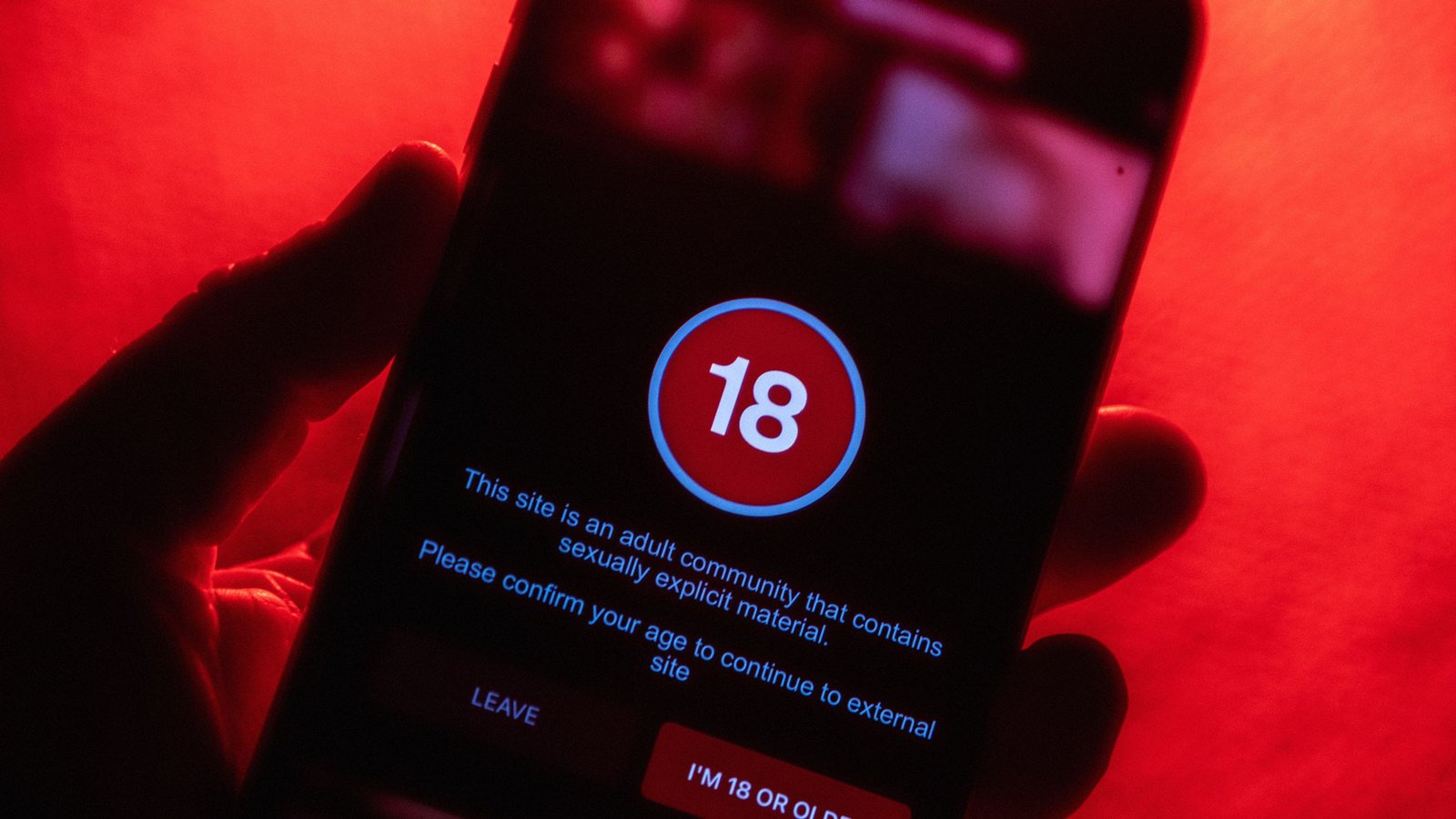
Starting February 2, Pornhub will officially halt registrations for new users in the United Kingdom, a strategic withdrawal aimed at challenging the “flawed” age verification requirements established by the UK Online Safety Act. Under these new restrictions, only existing users who have previously completed the verification process will maintain access, effectively locking out millions of potential new visitors in protest of what the company deems an ineffective regulatory framework.
The Failure of the Online Safety Act
The decision follows the implementation of strict provisions last July that mandate pornographic platforms to verify user ages through intrusive methods, including biometric face scans, government ID uploads, and credit card checks. Pornhub, owned by Aylo under the private equity firm Ethical Partners Capital (ECP), reports that its UK traffic plummeted by 77 percent following the enactment of the Online Safety Act. Despite these losses, the company argues the law fails its primary objective: protecting minors.
“We believe we can no longer participate in the flawed system that is in the UK,” stated Alex Kekesi, Pornhub’s Vice President of Brand and Community. He emphasized that while regulated sites like Pornhub face heavy restrictions, “thousands of irresponsible porn sites” remain easily accessible to minors without any verification hurdles.
Regulatory Blind Spots and Platform Inequity
Solomon Friedman, Vice President of Compliance for ECP, demonstrated the law’s limitations during a recent presentation. His findings revealed that 60 percent of the top Google search results for “free porn” in the UK currently bypass age verification laws entirely. Friedman argued that regulators lack the necessary legislative tools to enforce compliance across the broader internet, rendering the current system useless for child safety.
“Even those regulators acting in good faith simply have no hope of meeting their stated goal,” Friedman noted. He highlighted that current laws ignore explicit content on social media platforms and cached thumbnails in search engines like Google Images, which remain accessible to underage users regardless of site-specific blocks.
The Push for Device-Based Verification
Pornhub and Aylo are advocating for a fundamental shift in how age is verified online. In November, the company sent formal requests to tech giants Apple, Google, and Microsoft, urging them to implement device-based age verification. This method would allow users to verify their age once at the operating system level, keeping sensitive personal data on the device rather than sharing it with third-party websites.
However, the tech industry has largely resisted these calls. Microsoft suggested verification should remain at the service level, while Google pointed to its existing ban on adult apps as sufficient. Apple cited its default web content filters for minors as its primary safety measure. Friedman maintains that device-level controls are the only viable way to filter explicit content across various platforms, including AI chatbots like Grok and subreddits.
A Global Pattern of Resistance
The UK withdrawal mirrors Pornhub’s actions in the United States, where the site has pulled out of the majority of the 25 states that have passed similar age verification mandates. Despite these regional blocks, the US remains the site’s largest source of traffic, largely due to the widespread use of Virtual Private Networks (VPNs) that allow users to bypass location-based restrictions easily. This trend underscores the company’s argument that localized site-level blocks are an obsolete solution for a global digital landscape.