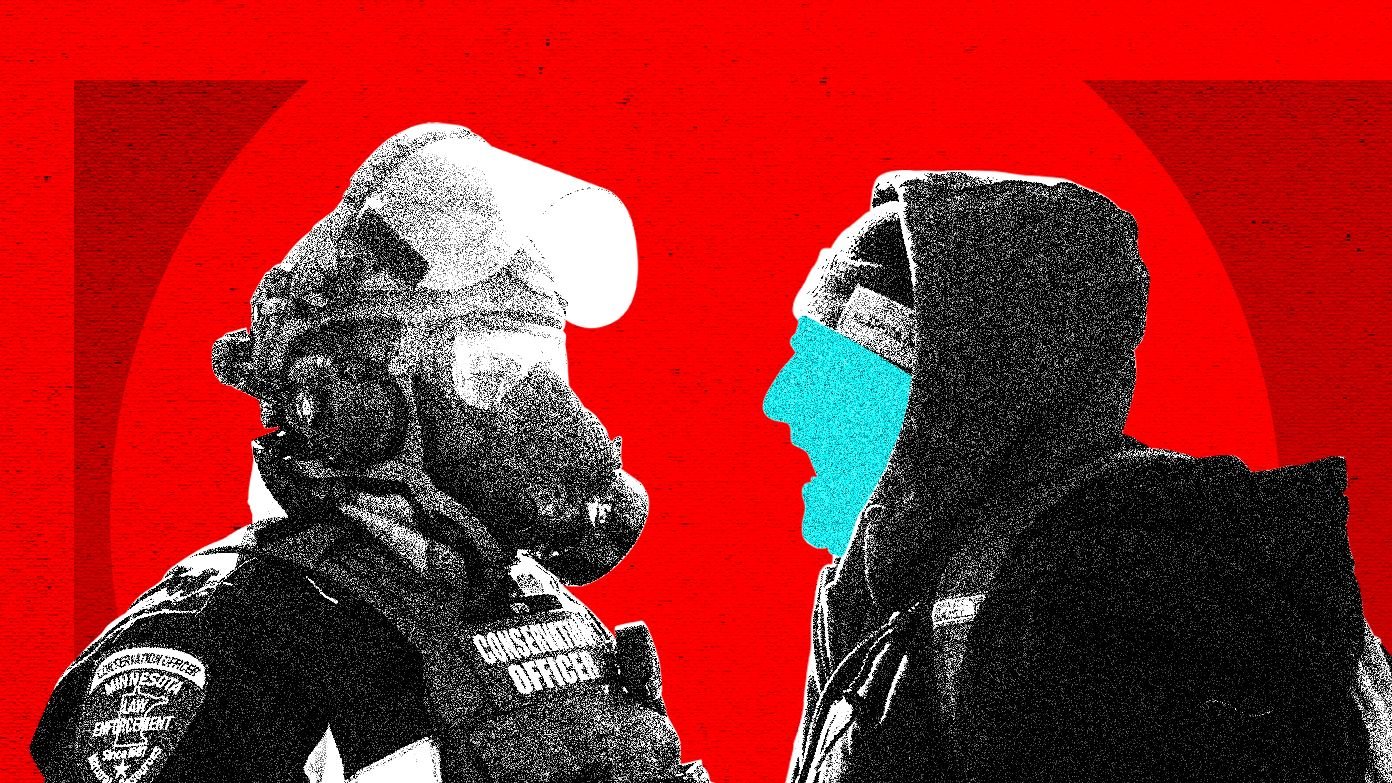
AI-generated videos depicting defiant resistance against Immigration and Customs Enforcement (ICE) are surging across social media platforms as Minneapolis grapples with the fatal federal shootings of two unarmed U.S. citizens. This wave of digital “fan fiction” creates a revisionist multiverse where government agents are held accountable, directly challenging the narrative of the Trump administration’s intensified immigration crackdowns.
Digital Counter-Narratives in a Divided Minneapolis
The rise of this synthetic content follows the January killings of 37-year-old Renee Nicole Good, a mother of three, and 37-year-old Alex Pretti, a VA ICU nurse. Both were unarmed when federal agents fatally shot them during the ongoing occupation of the city. In response, creators are leveraging artificial intelligence to articulate emotions of fear and resistance that traditional media often overlooks.
One prolific account, operating under the pseudonym “Mike Wayne,” has uploaded over 1,000 AI-generated clips since Good’s death on January 7. These videos frequently feature people of color confronting ICE agents, ranging from a Latina woman slapping an officer to a priest physically ejecting masked officials from his sanctuary. In one viral instance, a video showing an ICE agent brawling with white tailgaters at a sporting event amassed 11 million views in less than three days, highlighting a public appetite for surrealist accountability.
The Mechanics of Revisionist Justice and Viral Advocacy
Experts suggest these videos serve as more than just entertainment; they function as a “diagnosis” of a systemic failure. Filmmaker and AI creator Willonious Hatcher notes that oppressed groups have historically “built what they could not find,” suggesting these fabrications exist because real-world liberation remains elusive. The videos offer a cathartic alternative timeline where the passion of American resistance does not result in loss of life.
However, the motivations behind the content are multifaceted. Nicholas Arter, founder of AI for the Culture, observes that while some creators seek to express genuine resistance, others chase virality and monetization by leaning into emotionally charged political topics. Joshua Tucker, co-director of NYU’s Center for Social Media, AI, and Politics, explains that these creators utilize a dual strategy: flooding the digital space with anti-ICE sentiment while engineering content designed specifically for the algorithms of Facebook and Instagram.
The Dangerous Double-Edged Sword of Synthetic Media
While these videos empower some, they also contribute to a “liar’s dividend,” where the sheer volume of AI content makes the public skeptical of authentic evidence. This phenomenon manifested recently when genuine footage of Alex Pretti confronting agents—recorded prior to his death—was dismissed by social media commenters as AI-generated. This erosion of trust poses a significant risk to civil rights movements that rely on video documentation to prove government misconduct.
The Trump administration has also weaponized AI and altered imagery to influence public perception. Recently, the White House circulated a manipulated photo of civil rights attorney Nekima Levy Armstrong, labeling her a “far-left agitator” following her arrest at a peaceful demonstration. This tactical use of misinformation mirrors broader industry trends; a Survey Monkey analysis indicates 73% of marketers now use AI for personalized experiences, while a 2024 Graphite study found that over 50% of new web articles are AI-generated.
Systemic Consequences and the Future of Dissent
The proliferation of confrontational AI imagery carries real-world stakes. By depicting people of color in aggressive stances against authority, the content may inadvertently bolster state narratives that label protesters as “domestic terrorists.” As Arter warns, the danger lies in how these narratives are interpreted and acted upon by individuals who may no longer distinguish between digital fantasy and ground reality.
Ultimately, these videos reflect a nation in turmoil. As federal agents continue to arrest faith leaders—including roughly 100 clergy members at the Minneapolis-Saint Paul airport last week—the digital dream of fighting back grows louder. The emergence of AI-generated resistance signals a new era where the battle for democratic freedoms is fought simultaneously in the streets and through the manipulation of the digital lens.