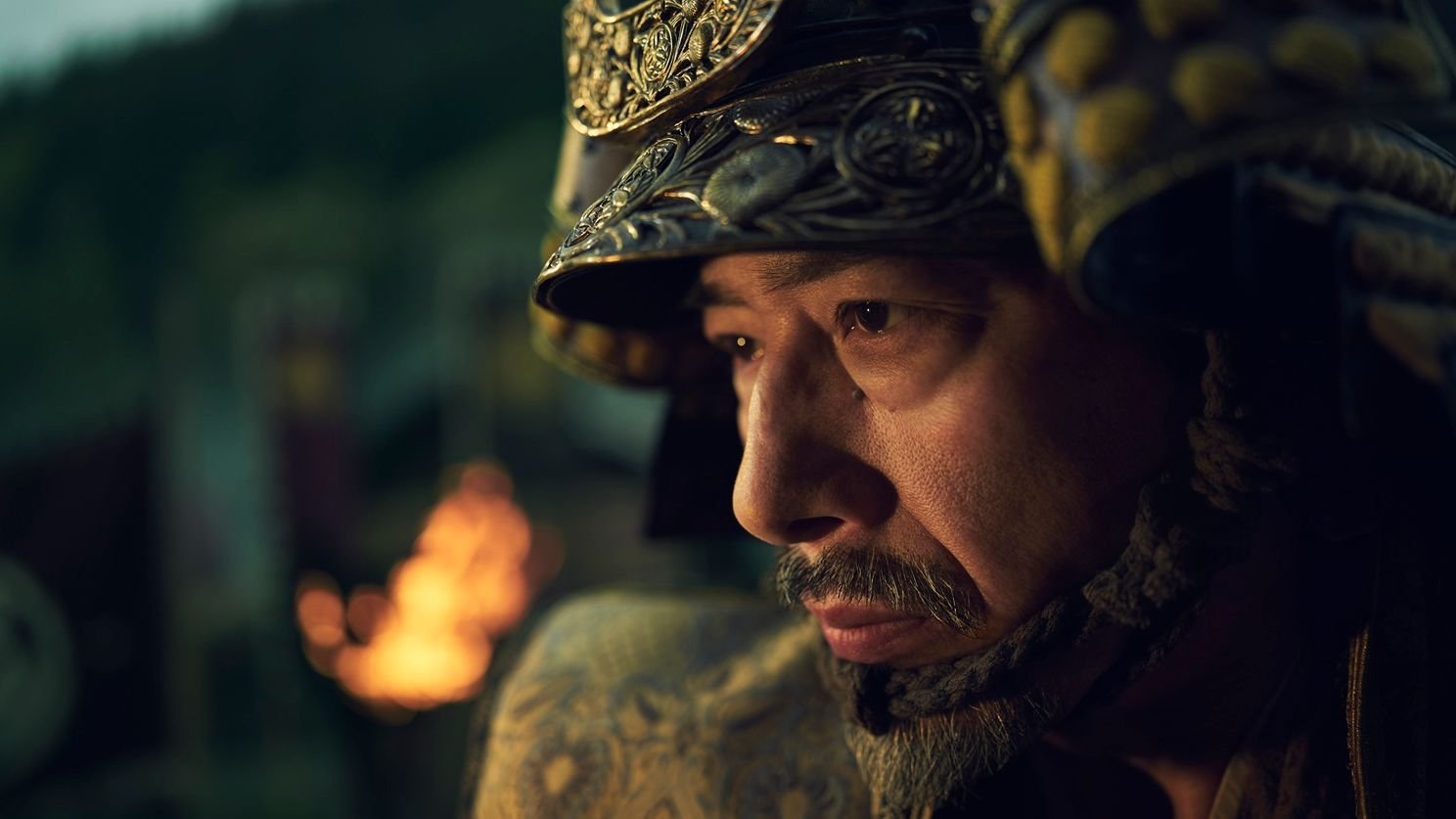
Showrunners Justin Marks and Rachel Kondo are officially steering the record-breaking FX series Shogun into uncharted territory, confirming that Season 2 will begin production in early 2026 with a narrative pivot that leaps ten years into the future. Following a historic sweep of 18 Primetime Emmy Awards, the creative duo aims to dismantle the traditional “sequel” structure by evolving the saga into a complex second chapter rather than a mere continuation of the first season’s finale.
Breaking the Subtitle Barrier: A Global Cultural Shift
The meteoric rise of Shogun defied conventional industry wisdom regarding American viewing habits. Despite featuring dialogue that was approximately 70 percent Japanese and a cast largely unknown to Western audiences, the series resonated deeply with domestic viewers. Justin Marks notes that the enthusiastic response from the U.S. public was more rewarding than the hardware itself, suggesting that audiences are increasingly hungry for “discovery”—an experience often stifled by modern streaming algorithms.
“The algorithm typically feeds viewers choices similar to their past behavior,” Marks explains. This success proves that high-fidelity storytelling can bridge the psychological distance between cultures, turning what was once considered a “barrier”—subtitles and unfamiliar customs—into a primary draw for the series.
The 10-Year Leap: Subverting the “Episode 11” Trap
While Season 1 meticulously detailed the tension leading up to the Battle of Sekigahara in 1600, Season 2 will bypass the immediate aftermath. By jumping forward a full decade, the production moves into the era of the established Tokugawa regime, a period characterized by a fragile and shifting balance of power.
Marks describes this move as a strategic “experiment in subverting expectations.” The goal is to avoid the trap of making Season 2 feel like “Episode 11” of the original run. Instead, the time jump allows the writers to explore the long-term grief and political evolution of the characters, creating a distinct “Part 2” that functions as a sophisticated game between the filmmakers and an audience that thinks it knows what comes next.
Ochiba no Kata: The New Political Epicenter
A significant shift in the narrative engine involves the character of Ochiba no Kata, portrayed by Fumi Nikaido. While the first season utilized the “English-language side” of the story through Anna Sawai’s Mariko, the new chapter places Ochiba at the center of the political storm. Based on the historical Yodo-kun, her role will transcend mere historical recreation to highlight the intricate political dynamics of women in the era, effectively expanding the scale of the drama.
The Sanada Standard: Accuracy as Narrative Structure
The show’s commitment to historical and cultural precision remains its backbone, heavily influenced by lead actor and producer Hiroyuki Sanada. Marks credits Sanada with teaching the crew “almighty patience,” ensuring that every detail—from the angle of a sword to the tying of an obi—was executed with dignity and generosity. This philosophy treats history and language not just as “material” to be used, but as the very structure of the story.
By blending verified historical facts with fictionalized drama, the production team aims to satisfy both casual viewers and history buffs. Marks asserts that mutual respect between cultures is the essential ingredient for modern historical dramas, allowing the series to re-edit history into a compelling, immersive narrative.
Storytelling as a Cure for the Digital Void
Beyond the technical aspects of production, Kondo and Marks view Shogun as a necessary counter-movement to the fragmented attention spans of the “short video” era. Kondo observes that in a world of endless scrolling, people often forget their inherent need for deep, cohesive stories that alleviate loneliness and foster collective emotional experiences.
“We want to create something that will make people look up, immerse themselves, and put down their smartphones,” Marks concludes. He views the audience’s time as a precious investment, promising that in exchange for one hour a week, the show will continue to challenge and change the viewer’s perspective through surprise and rigorous craftsmanship.