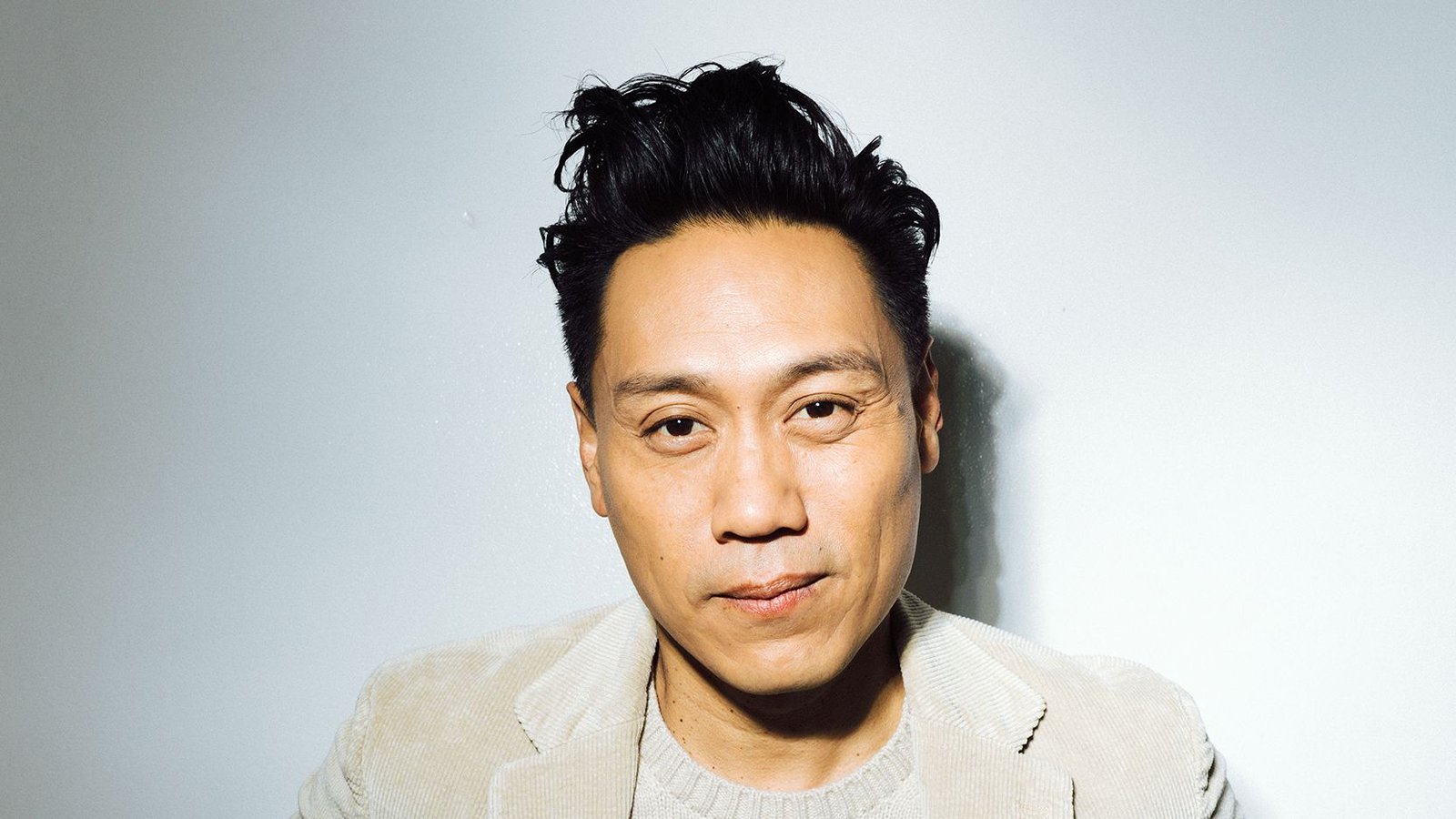
Director Jon M. Chu revealed at WIRED’s Big Interview in San Francisco how human spontaneity—specifically a split-second improvisation by Cynthia Erivo—created a cinematic masterpiece that artificial intelligence remains fundamentally incapable of producing. During the high-level discussion, the Crazy Rich Asians filmmaker detailed how his deep roots in Silicon Valley and early digital engagement shaped the production of Wicked and its upcoming sequel, Wicked: For Good.
The Bieber Blueprint: Mastering Direct Fan Engagement
Chu’s strategy for modern blockbusters stems from his experience directing Justin Bieber’s 2011 concert film, Never Say Never. He recalled how the then-14-year-old pop star utilized Twitter to bridge the gap between the director and a global audience, causing Chu’s personal following to explode by tens of thousands instantly. This pivotal moment taught the director that modern storytelling begins long before production starts and must persist long after the film hits theaters. This philosophy fuels the current Wicked marketing strategy, which leverages the authentic, high-pressure bonds formed between leads Ariana Grande and Cynthia Erivo.
Silicon Valley Roots and the Responsibility of Innovation
As a Bay Area native, Chu attributes his cinematic career to the early generosity of the tech community. While working at his parents’ Chinese restaurant as a teenager, tech-minded customers provided him with the hardware and software necessary to master filmmaking before he even enrolled at the University of Southern California. “I was built by the generosity of this place, and I feel a great responsibility when I’m back,” Chu stated, noting that his upbringing makes him uniquely open-minded yet critical of the interplay between technology and art.
The Creative Limit: Why Algorithms Fail at Spontaneity
While Chu actively explores AI for information gathering and organizational efficiency, he maintains that the soul of Wicked relies on practical sets and human intuition. He argues that a rigid, storyboard-to-screen pipeline—the kind easily replicated by generative models—would have stripped the film of its most iconic moments. The director emphasized that the ability to pivot and embrace the unexpected during a shoot is what separates “content” from “cinema.”
The Iconic Wink That AI Would Have Missed
Chu highlighted a specific scene where Elphaba (Erivo) winks at the camera while donning her witch’s cape. Had this gesture been written into the script or generated by an algorithm, Chu believes it would have felt “rote and hacky.” Instead, Erivo performed the action spontaneously during a live take, capturing a level of authentic magic that remains beyond the reach of predictive software. “Since she did it in the moment, it becomes an image that lasts forever, and that’s what makes cinema and art beautiful,” Chu concluded.