Hollywood’s infatuation with artificial intelligence has hit a definitive wall as global audiences increasingly reject AI-driven narratives and generative production tools. Despite the industry’s aggressive push to integrate machine learning into the studio system following the 2023 labor strikes, recent box office returns and viral backlashes suggest a growing “AI fatigue” that threatens the commercial viability of major franchises.
The Rapid Decline of the AI Novelty
The cinematic appeal of artificial intelligence, which peaked with the surprise success of M3GAN in late 2022, has soured with remarkable speed. While that campy horror hit capitalized on the zeitgeist surrounding the debut of ChatGPT, its subsequent sequel struggled to find an audience. This downward trend extended to tentpole features like Mission: Impossible—Dead Reckoning. Despite introducing a digital antagonist known as “The Entity,” the film and its successor underperformed relative to their massive budgets, failing to convince viewers that a rogue algorithm constitutes a compelling cinematic threat.
Box Office Bombs and Ethical Disconnects
The latest casualty of this trend is Mercy, a crime thriller featuring Chris Pratt as a detective judged by an automated executioner. Critics and audiences alike have panned the film, with early reviews labeling it a disaster for 2026. The film’s failure highlights a significant disconnect between studio executives and the public; moviegoers find it difficult to engage with fictional AI dilemmas when real-world algorithms are already making life-altering decisions regarding healthcare and employment. By the time Pratt’s character delivers a heavy-handed monologue about humans and AI “learning together,” the narrative has lost all credibility with a cynical audience.
From High Art to “Digital Slop”
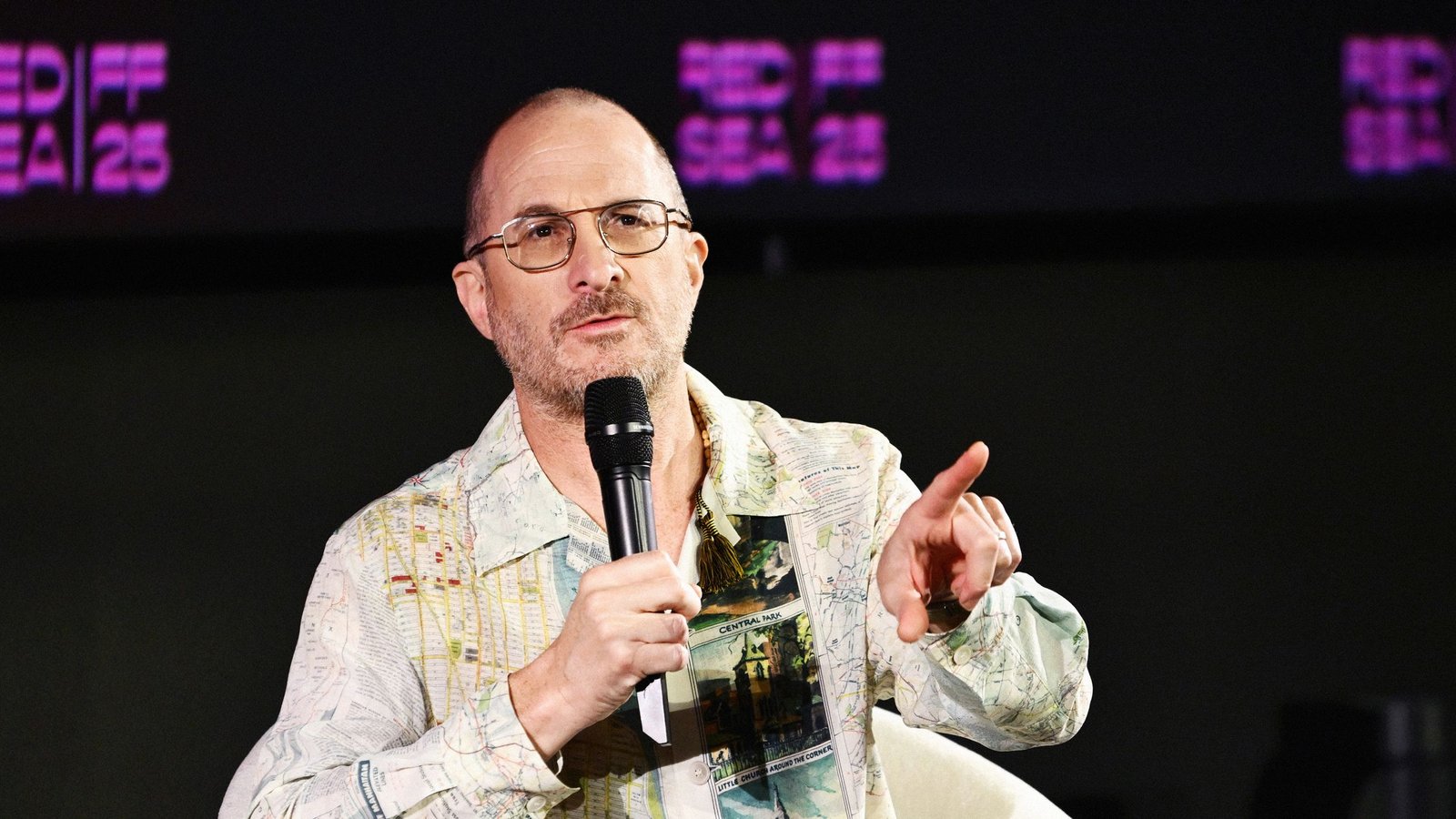
The integration of AI into the creative process has sparked even more intense vitriol than the scripts themselves. Director Darren Aronofsky, through his Primordial Soup studio, partnered with Google DeepMind to produce the YouTube series On This Day…1776. The project has faced overwhelming scorn for its “uncanny valley” visuals, characterized by glossy, lifeless eyes and technical glitches. One notable error saw DeepMind render the word “America” as “Aamereedd,” leading viewers to dismiss the high-profile project as mere “digital slop.”
The Failure of Nostalgia and Deepfakery
Corporate synergy has further alienated audiences, particularly through the use of de-aging technology. A recent Xfinity Super Bowl commercial, directed by Taika Waititi, utilized deepfake techniques to recreate the original Jurassic Park trio. Rather than evoking nostalgia, the ad was widely mocked on social media, with users comparing the distorted faces of Sam Neill, Laura Dern, and Jeff Goldblum to “melting wax figures.” This “necrotic” approach to branding—leveraging Comcast’s ownership of NBCUniversal to sell Wi-Fi through technological appropriation—has proven that technical wizardry cannot replace genuine human presence.
The Escapism Crisis
As Silicon Valley continues to disrupt traditional industries, Hollywood faces a fundamental identity crisis. Movies and television have historically served as a sanctuary for escapism, yet studios are now flooding the market with the same automated tools that audiences are trying to avoid in their daily lives. Until the industry pivots away from half-baked dramatic themes and “uncanny” visual shortcuts, the backlash against AI-driven content is likely to intensify, hitting the bottom line of every studio that prioritizes algorithms over artistry.