
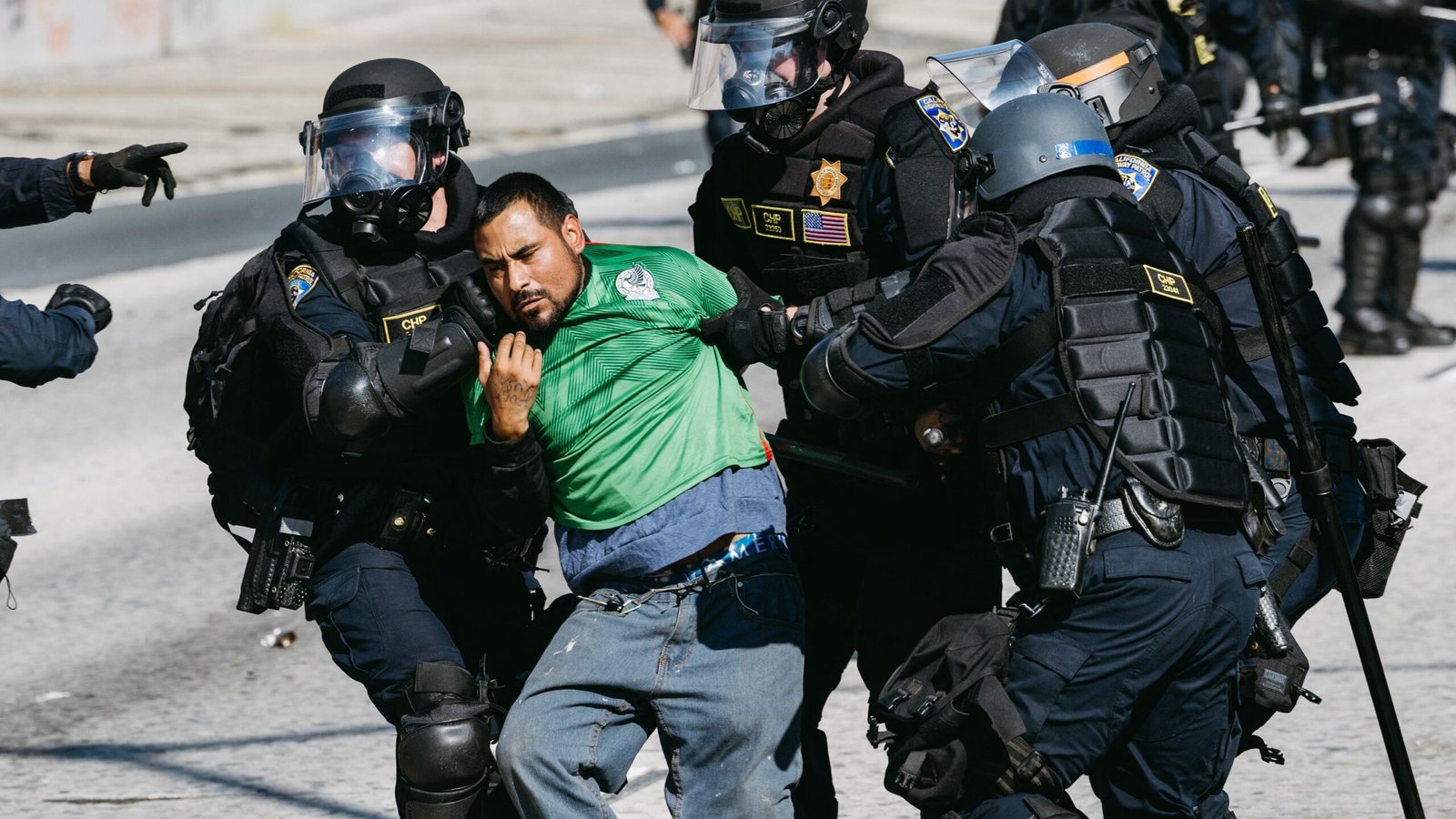
Undocumented communities and advocacy groups are leveraging social media platforms and encrypted apps to build a decentralized, real-time surveillance network capable of tracking Immigration and Customs Enforcement (ICE) operations across the United States. This digital uprising responds to a sharp escalation in federal enforcement, where the Rapid Response Network—a coalition of dozens of migrant support organizations—now utilizes collaborative data to safeguard vulnerable populations from sudden detentions.
An Unprecedented Surge in Federal Immigration Enforcement
Angelica Salas, executive director of the Coalition for Humane Immigrant Rights (Chirla), characterizes the current wave of raids as an unprecedented phenomenon in her three decades of migrant defense. The intensity of these operations has transformed cities like Los Angeles into flashpoints of federal activity. Jorge Mario Cabrera, a spokesperson for Chirla, informed the EFE news agency that the majority of those apprehended are local laborers rather than the “criminals” federal narratives often depict. While arrests are concentrated in Los Angeles, documentation confirms similar enforcement actions are spreading throughout California and the rest of the country.
The White House has signaled a massive expansion of these efforts, aiming for a target of 3,000 arrests per day nationwide. U.S. Representative Nanette Barragan, citing executive data, noted that intensive operations in Los Angeles will likely persist for at least 30 days. This aggressive stance has prompted legal experts and human rights advocates to warn of potential due process violations, as ICE reportedly restricts detainee access to legal counsel, hindering the right to adequate representation.
Mapping the Resistance: The Digital Tools Tracking ICE
The climate of fear has catalyzed the Hispanic community to repurpose mainstream social networks into sophisticated alert systems. Investigation reveals a complex ecosystem of digital platforms dedicated to verifying and broadcasting the location of ICE checkpoints and patrols. These hubs range from professional accounts managed by established NGOs to grassroots pages created by private citizens within the migrant community.
Users contribute to these networks via direct messages, WhatsApp groups, and public feeds, often reporting sightings anonymously. The verification process typically requires specific data points: time, date, city, state, and precise GPS coordinates. When safe, contributors provide photographic or video evidence to validate reports. Beyond tracking, these digital spaces offer essential resources, including free legal guidance on labor rights, healthcare access, and educational services.
Key Organizations Leading the Virtual Watch
Several specialized networks have emerged as critical nodes in this information exchange:
- Union del Barrio California: This grassroots organization utilizes Facebook to coordinate community patrols, broadcast urgent alerts, and host legal rights workshops.
- Chirla: Leveraging a massive social media following, Chirla provides real-time raid notifications and mobilizes citizens for rapid response actions.
- Stop ICE Raids Alert Network: This network operates a dedicated web portal that sends geolocalized emergency notifications directly to users’ devices.
- Siembra NC: Focused on North Carolina, this group manages a dedicated whistleblower hotline (336-543-0353) and maintains a vigilant presence across counties such as Alamance, Durham, and Wake.
- Inmigração y Visas: This portal facilitates a high-traffic WhatsApp channel where users exchange personal experiences and receive immediate legal advice.
High-Tech Surveillance: SignalSafe and RadarSafe
Modern resistance now includes specialized applications designed specifically for evasion and safety. RadarSafe employs the Common Alerting Protocol (CAP)—the same digital standard used for emergency weather alerts—to disseminate verified information on immigration stops. Similarly, SignalSafe has surged in popularity following the recent transition in federal leadership. Developed by anonymous engineers, the app allows users to map sightings of federal agents and unmarked vehicles in real-time.
SignalSafe features advanced security protocols to protect user anonymity while offering bilingual support in English and Spanish. Specialized moderators verify every citizen report before it appears on the map, and users can apply custom filters based on location and the specific type of enforcement activity detected.
Connectivity as a Human Right in the Migration Crisis
The transition of social media into a survival tool aligns with broader technological trends in migration. Data from the International Organization for Migration (IOM) indicates that by 2023, 64 percent of migrants traveling through Central America and Mexico possessed smartphones and internet access. The study found that 47 percent of men and 35 percent of women in transit relied on these devices specifically to access social networks. As federal policies tighten, the migrant community’s ability to remain connected has evolved from a convenience into a primary mechanism for legal and physical defense.