
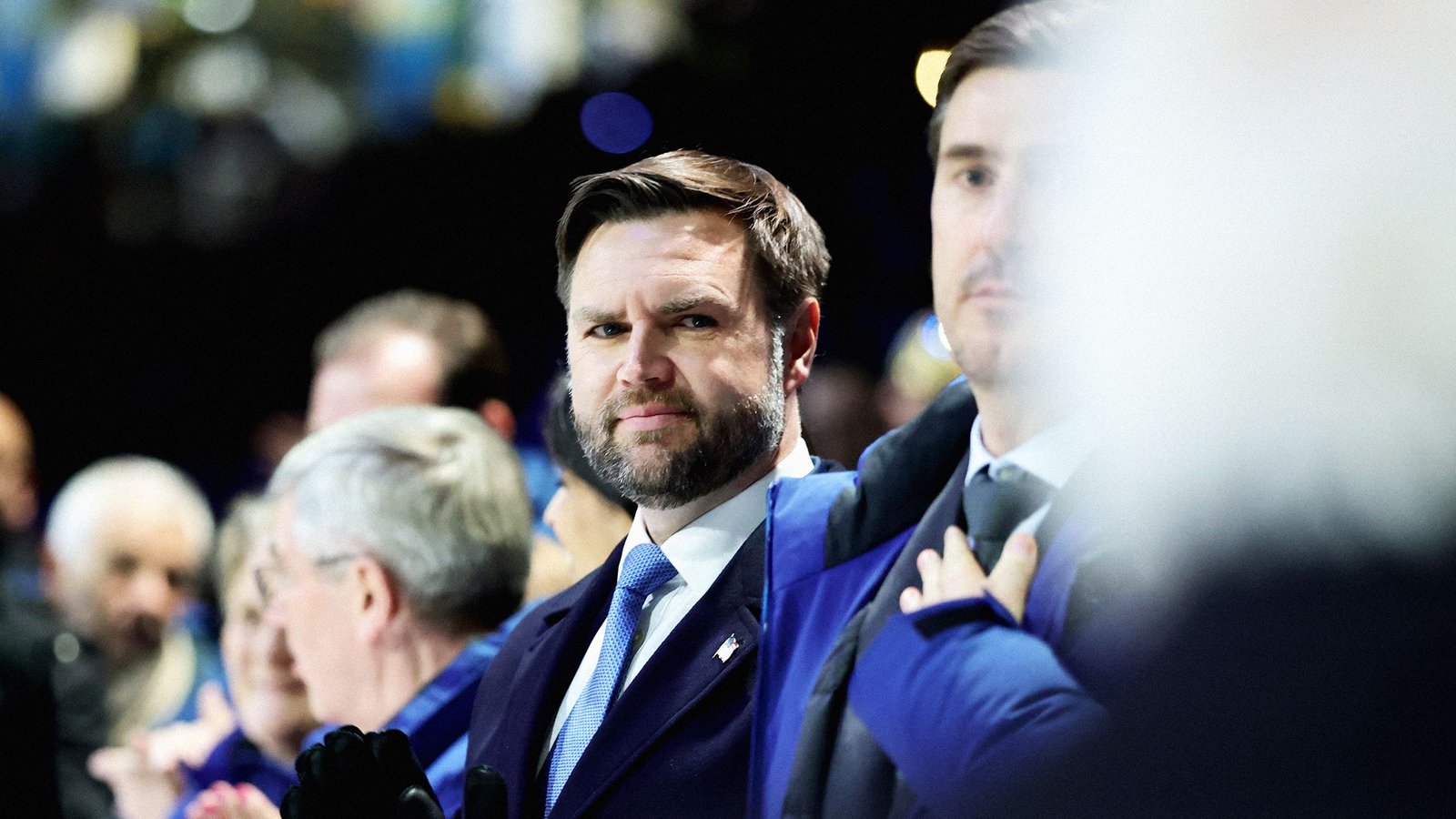
The 2026 Winter Olympic Games in Milano Cortina have transformed into a high-stakes political arena as Team USA athletes openly challenge the Trump administration’s domestic policies, sparking a confrontation that has reached the highest levels of American government. During the opening ceremony at San Siro stadium, the initial cheers for the American delegation shifted to audible jeers as cameras focused on Vice President JD Vance and Second Lady Usha Vance. This frosty reception followed days of intense protests in Milan, triggered by reports that U.S. Immigration and Customs Enforcement (ICE) agents were deployed to the Italian city for the duration of the Games.
Breaking the Silence: Athletes Reject Blind Nationalism
The tension in Milan reflects a growing rift within Team USA, where several high-profile athletes have expressed deep discomfort representing a nation currently embroiled in controversies regarding immigration crackdowns and attacks on human rights. Freestyle skier Hunter Hess ignited the conversation during a press conference, asserting that wearing the American flag does not equate to an endorsement of the administration’s actions. “Just because I’m wearing the flag doesn’t mean I represent everything that’s going on in the U.S.,” Hess stated, specifically referencing the ongoing ICE operations in Minnesota.
Amber Glenn, a figure skater who came out as pansexual in 2019, echoed this sentiment, viewing the current political climate as a catalyst for solidarity among marginalized groups. Glenn emphasized that the threats to human rights have only strengthened the resolve of the queer community and its allies. However, this advocacy has come at a personal cost; Glenn reported receiving a “scary amount” of online harassment, forcing her to retreat from social media platforms to maintain her mental focus during the competition.
The White House Strikes Back: Trump and Vance Respond
The administration has not remained silent regarding the athletes’ dissent. President Donald Trump utilized Truth Social to label Hess a “real Loser,” while Vice President JD Vance delivered a stern warning to those using the Olympic platform for political discourse. Vance argued that athletes who have benefited from the American system and its liberties should show loyalty to the flag, suggesting that competitors are not in Milan to “pop off about politics.” He further cautioned that athletes should expect significant “pushback” if they continue to voice their opposition.
A Divided Front: Chloe Kim and Eileen Gu Enter the Fray
The internal debate has forced other stars into the spotlight. Snowboarder Chloe Kim, a daughter of South Korean immigrants, expressed that the struggle of representing the U.S. during such turbulent times hits “pretty close to home,” calling for unity and mutual support among teammates. Meanwhile, Eileen Gu—who was born in the U.S. but competes for China—expressed regret that political headlines have eclipsed the athletic spirit of the Games, a comment that Vance later criticized by questioning the loyalty of those who choose to compete under different flags.
Historical Echoes: From Mexico City to Milano Cortina
While the Olympics are often idealized as an apolitical celebration of sport, history suggests otherwise. The current friction mirrors the 1968 Mexico City Games, where Tommie Smith and John Carlos raised their fists to protest racial injustice, and more recent demonstrations by figures like Colin Kaepernick. Adam Rippon, who famously challenged then-Vice President Mike Pence during the 2018 Pyeongchang Games, notes that speaking out today requires even greater bravery due to the intensified digital echo chamber.
Rippon argues that the idea of an apolitical Olympics is a fallacy. “As an American right now, it’s impossible to believe that politics aren’t intertwined into everything that we do,” he remarked, noting that today’s athletes face far more severe repercussions than those of the previous decade. By speaking up, Rippon believes athletes provide the global community with a more nuanced view of American public opinion, countering the monolithic image presented by the state.
The Celebrity Athlete as a Political Force
The evolution of the “political athlete” is a natural progression in modern media culture, according to Simone Driessen, an assistant professor at Erasmus University Rotterdam. Driessen compares the current Olympic climate to the Super Bowl halftime shows, where performers are viewed as political figures long before they take the stage. In this new landscape, athletes with massive social media followings hold a level of cultural capital that rivals traditional politicians.
Ultimately, the Milano Cortina Games have exposed a fundamental disagreement over what it means to be a “great American.” While the administration demands compliance and traditional displays of nationalism, a new generation of athletes is redefining patriotism as the freedom to dissent. For these competitors, utilizing their platform to defend human rights is not a distraction from the Games—it is the ultimate expression of the American values they were sent to represent.