
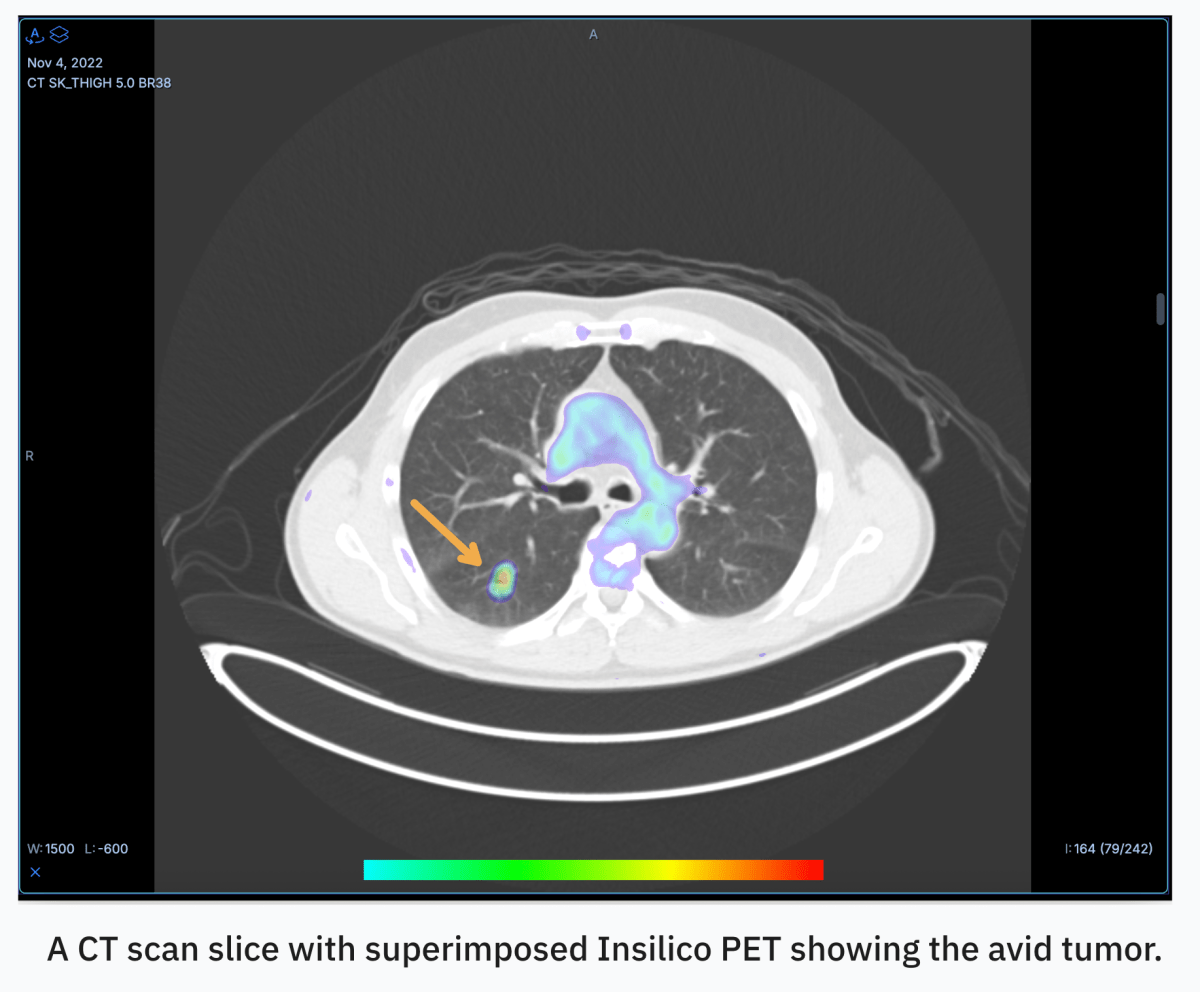
Oxford University spinout RADiCAIT is disrupting the oncology landscape by deploying synthetic PET images that deliver the same diagnostic precision as traditional chemical scans, potentially eliminating the need for expensive radioactive tracers in cancer monitoring. By leveraging advanced generative AI, the startup addresses a critical bottleneck in medical imaging where the demand for diagnostics far outpaces the available supply of PET scanners and chemical reagents.
Mathematical Parity with Chemical Imaging
CEO Sean Walsh asserts that RADiCAIT provides a mathematically verifiable solution to imaging shortages. The company’s internal trials demonstrate that their synthetic PET images remain statistically similar to real chemical scans, ensuring that radiologists and oncologists reach the same clinical conclusions. This high-fidelity output allows medical professionals to make critical staging and monitoring decisions without the logistical burdens of traditional nuclear medicine.
While RADiCAIT does not intend to replace PET scans in active therapeutic settings—such as radioligand therapy where radiation actively targets cancer cells—the technology aims to dominate the diagnostic and monitoring phases. In these specific applications, the startup’s AI-driven approach could render conventional PET scans unnecessary.
Solving the Supply Crisis in Theragnostics
The medical industry currently faces a “constrained system” where the demand for both diagnostics and theragnostics—a combined approach of imaging and targeted therapy—exceeds current infrastructure. Walsh explains that RADiCAIT intends to absorb the diagnostic demand through AI, which frees up existing physical PET scanners to handle the increasing workload of theragnostic treatments. This optimization ensures that patients requiring active radioligand therapy face fewer delays due to equipment availability.
Clinical Expansion and the Road to FDA Approval
RADiCAIT has already initiated clinical pilots for lung cancer detection in partnership with prestigious health systems, including Mass General Brigham and UCSF Health. To scale these operations, the startup is currently raising a $5 million seed round to fund rigorous FDA clinical trials. Securing regulatory approval remains the primary objective, as it will pave the way for commercial pilots and broader market adoption.
The company’s roadmap includes applying this validated clinical process to other high-impact areas, specifically targeting colorectal cancer and lymphoma. This phased approach aims to prove commercial viability across multiple oncological disciplines.
A Cross-Disciplinary Future for Generative AI
The implications of this technology extend far beyond oncology. CTO Sina Shahandeh describes RADiCAIT’s methodology—extracting valid insights without the friction of expensive, physical testing—as a “broadly applicable” framework. The startup is currently exploring how these AI models can bridge gaps in other scientific domains, including materials science, biology, and physics, by uncovering hidden relationships within complex natural data.