
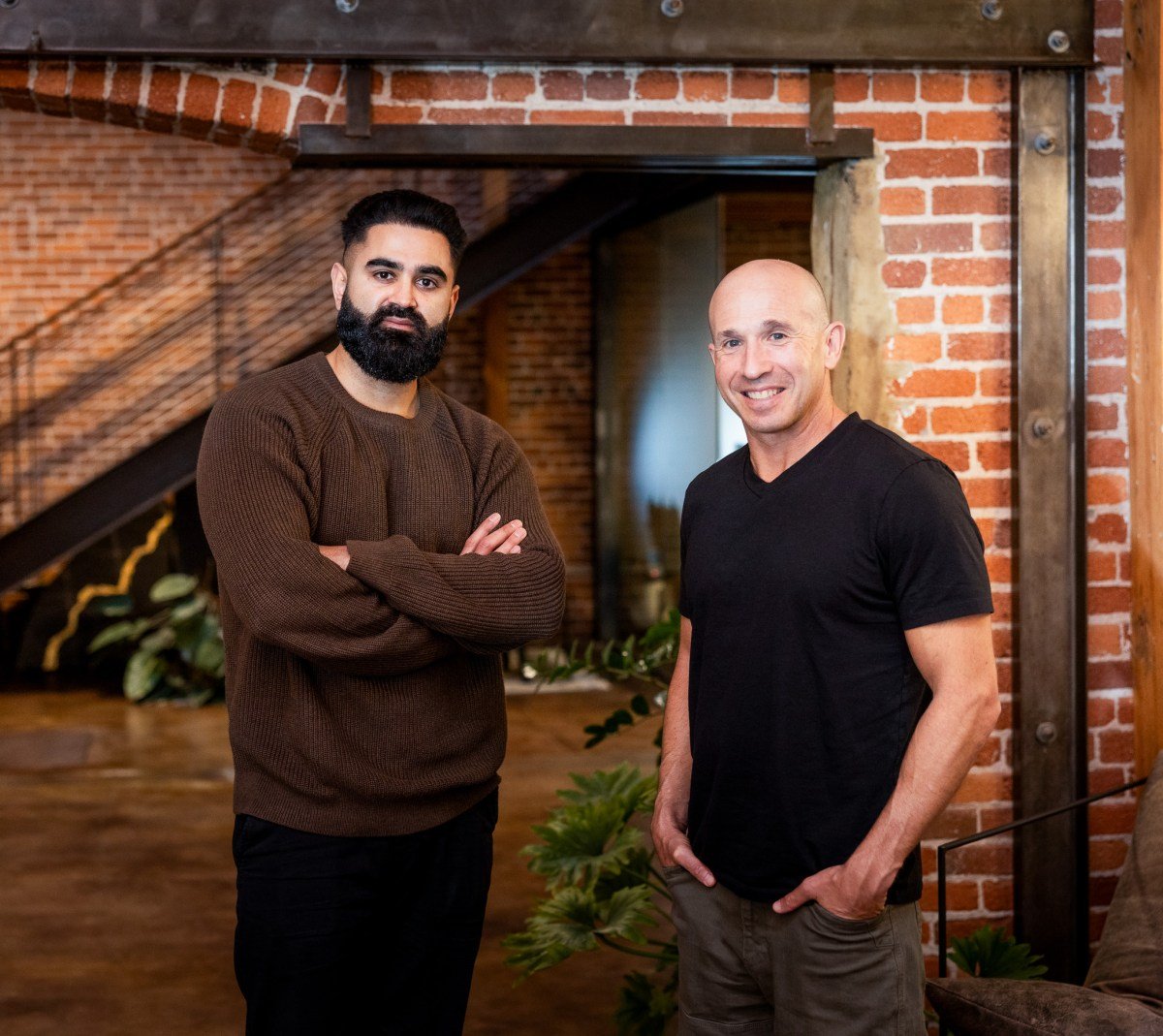
Lotus Health has secured $35 million in new capital to scale its AI-driven medical platform, which provides patients with cost-free virtual consultations verified by licensed human physicians. The startup aims to revolutionize primary care by leveraging advanced algorithms to handle the bulk of diagnostic advice while maintaining a strict layer of clinical oversight to ensure patient safety and regulatory compliance.
Bridging the Gap Between AI Efficiency and Clinical Oversight
The core of Lotus Health’s model rests on a hybrid approach where artificial intelligence generates medical advice that licensed doctors must review and approve. According to founder Dhaliwal, this system ensures that while technology drives speed, human expertise remains the final authority on patient safety. Despite its virtual-first nature, the platform acknowledges the limitations of remote care; patients requiring physical examinations or facing life-threatening emergencies are immediately redirected to local urgent care centers or emergency rooms.
Navigating Regulatory Landscapes in Virtual Care
Outsourcing medical decision-making to AI presents significant regulatory challenges, particularly regarding state-specific licensing requirements for physicians. However, Saar Gur, a general partner at CRV who led the funding round and joined the company’s board, believes the timing is ideal. Gur, a seasoned investor known for backing major firms like DoorDash and Ring, suggests that the telemedicine infrastructure established during the pandemic, coupled with recent AI breakthroughs, provides a clear path forward. He describes the venture as a significant “swing” aimed at fundamentally restructuring the primary care experience.
Solving the Primary Care Shortage Through 10x Scalability
As the United States faces a critical shortage of primary care doctors, Lotus Health asserts that its technology enables providers to manage ten times the patient volume of a standard practice. By streamlining the consultation process, the startup maintains that it can deliver effective care even within 15-minute windows. This efficiency is central to their current strategy of offering the service entirely for free to attract users and refine the product during its early growth phase.
A Competitive Landscape in AI Medicine
Lotus Health is not alone in the race to deploy an AI-first medical model. Competitors like Doctronic, backed by Lightspeed, are also developing similar platforms. Lotus distinguishes itself by removing all financial barriers for the patient. While Dhaliwal noted that future revenue streams might eventually include subscription tiers or sponsored content, the immediate priority remains patient acquisition and product optimization rather than immediate monetization.