
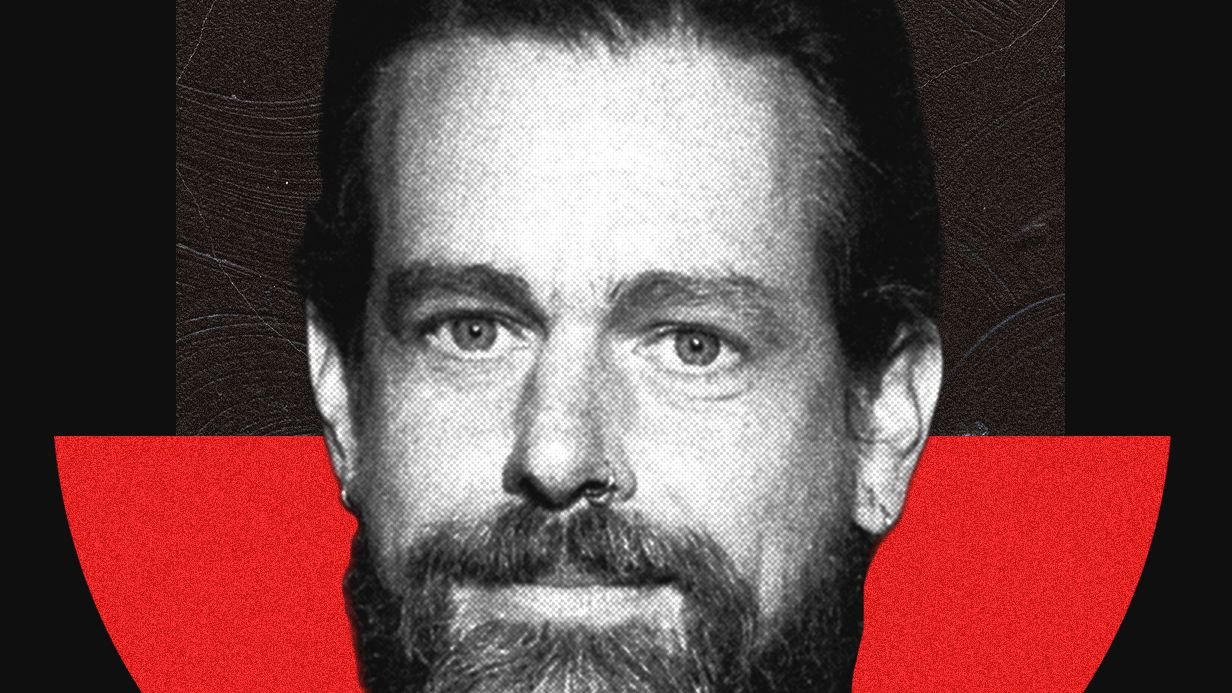
Jack Dorsey, CEO of the fintech giant Block, recently executed a radical restructuring by discharging nearly 50% of his workforce, citing a pivot toward an AI-centric corporate model that renders traditional management hierarchies obsolete. The move, which follows a period where Block reported $3 billion in quarterly profit, signals a fundamental shift in how the Silicon Valley veteran views the intersection of human labor and emerging autonomous technologies.
The AI Pivot: Beyond “AI-Washing” Allegations
Addressing critics who suggest the layoffs were merely a correction for pandemic-era overhiring, Dorsey maintains that the decision stems from a technological inflection point reached in late 2023. He explicitly denies “AI-washing,” asserting that Block’s gross profit per employee was already competitive with industry peers. Instead, he points to the sudden sophistication of tools like Anthropic’s Opus 4.6 and OpenAI’s Codex 5.3, which shifted from simple code generation to managing vast, complex codebases.
Dorsey argues that these advancements allow companies to function as “intelligence layers” rather than bureaucratic structures. By integrating AI at the core, Dorsey believes Block can become more proactive, avoiding the “death by irrelevance” that faces firms clinging to 20th-century management models. “I want the company itself to feel like a mini AGI,” Dorsey stated, describing a future where customers “vibe-code” personalized products through an intelligence interface rather than interacting with static features.
Dismantling the 1900s Management Hierarchy
The restructuring aims to eliminate the traditional “command and control” layers that Dorsey identifies as a legacy of the industrial age. In his vision, a modern company should have no management hierarchy whatsoever. Instead, the organization should consist of work artifacts overseen by an intelligence layer that every employee can query and interact with to build intent.
The Metric of Success: Profit Per Employee
While the layoffs appeared cold to some—especially as Dorsey addressed the staff wearing a “LOVE” hat—the CEO insists the move was compassionate and strategic. He claims the severance packages were among the most generous in the market, designed to transition employees while the company maintained a position of financial strength. For Dorsey, the primary metric for the future of work is gross profit per employee, a figure he expects to skyrocket as AI absorbs routine white-collar tasks.
Decentralization and the Fragmented Social Landscape
Beyond Block, Dorsey remains a staunch advocate for open-source protocols, though he admits disappointment with the current state of social media. While he expresses gratitude that Elon Musk took X (formerly Twitter) private to overhaul its business model, he laments the ideological fragmentation the platform has fostered. Dorsey believes the “ultimate downfall” of Twitter was its existence as a centralized company rather than an open protocol.
This commitment to decentralization led to his recent departure from the board of Bluesky. Dorsey revealed that the project, which he originally funded, drifted away from its mission as an open protocol to become a “normal company” with venture capital influence and algorithmic filter bubbles. He remains focused on Bitcoin, not as a general “crypto” play, but as the internet’s native, neutral protocol for value transmission.
An Existential Timeline for Corporate Survival
Dorsey issues a stark warning to other tech leaders: the window for adaptation is closing. He predicts that every organization failing to restructure around an intelligence layer will face an existential crisis within the next 24 months. As AI compounds at an unprecedented rate, Dorsey views the traditional corporate form as a liability.
Despite the upheaval, Dorsey maintains a disciplined personal routine, including an hour of daily meditation to manage the stress of leading a remote, nomadic workforce. His goal is to ensure Block survives the transition into an era where “agency derives from decentralization” and where the very definition of a “company” is being rewritten by code.