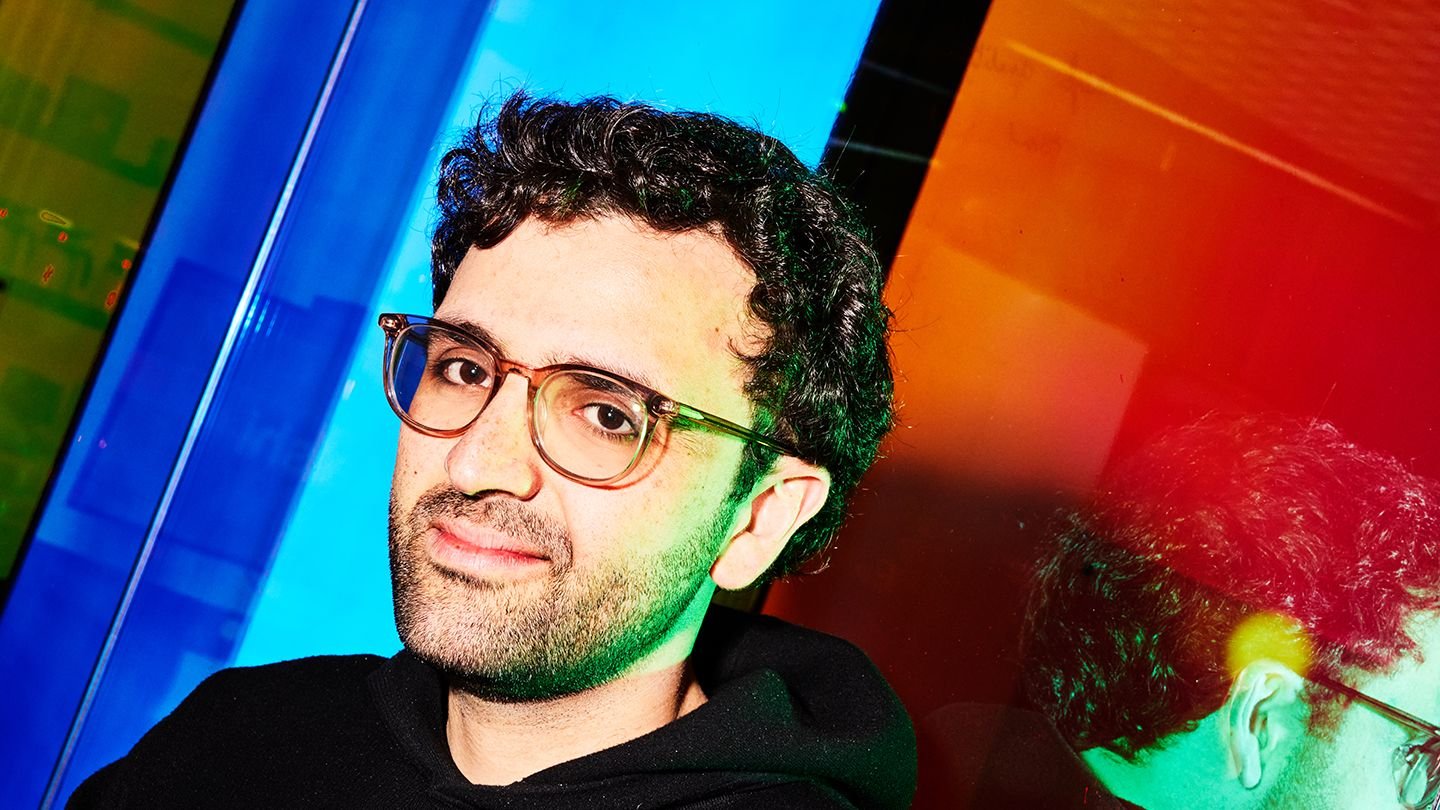
Market analyst Alap Shah triggered an 800-point Dow Jones Industrial Average collapse in Manhattan recently after releasing the “Citrini report,” a provocative analysis detailing how autonomous AI agents could dismantle traditional economic sectors by eliminating high-cost middlemen. The document struck a nerve in a financial ecosystem already hyper-sensitized to artificial intelligence, echoing warnings from tech leaders like Anthropic CEO Dario Amodei, who previously estimated that half of entry-level white-collar roles face imminent obsolescence.
The Anatomy of a Market Panic: From Karaoke to Logistics
Wall Street currently operates in a state of persistent AI-induced anxiety, where even minor catalysts ignite disproportionate sell-offs. This fragility was recently demonstrated when a micro-cap company, valued at under $6 million and formerly focused on karaoke machines, pivoted to AI-powered shipping logistics. A single report claiming minor efficiencies in semi-truck loading from this firm managed to erase billions in market capitalization from established logistics giants. This “AI psychosis” suggests that financial markets are no longer mapping to current reality, but rather to a fractured, speculative future.
The Death of the Middleman: Is DoorDash “Avocado Toast”?
The core of Shah’s thesis rests on the elimination of “rent-seeking” behavior. He argues that much of the modern economy relies on middlemen who profit from consumer friction and convenience. Shah posits that as Large Language Models (LLMs) evolve into “agentic” armies, consumers will bypass centralized platforms entirely.
Shah identifies DoorDash as the “poster child” for this disruption. In his vision, instead of paying platform fees, a user’s personal AI agent will negotiate directly with restaurants and independent couriers to secure the best price and delivery terms. “The DoorDashes of the world are avocado toast,” Shah claims, suggesting that these multi-billion dollar apps will become redundant in a zero-friction economy.
The Response: Why Infrastructure Still Matters
DoorDash leadership has dismissed these claims as speculative fiction. “We were trying to rationalize—why? Why did they call us out more than anyone else?” questioned spokesperson Ali Musa. Musa emphasized that the company is already integrating LLMs into its operations, noting that the business continues to scale despite the theoretical threat of autonomous agents.
Tech analyst Ben Thompson of Stratechery further challenged the Citrini narrative, labeling it an economic fallacy. Thompson argues that DoorDash provides more than just a digital interface; it offers a physical network of trusted couriers, regulatory compliance, and a robust refund infrastructure—elements an AI agent cannot replicate through code alone.
Citadel Securities and the Barrier to Total Substitution
Institutional heavyweights have also entered the fray to stabilize the narrative. Citadel Securities issued a mocking rebuttal, outlining the extreme conditions required for AI to cause a sustained negative demand shock. According to Citadel, the economy would need to witness “near-total labor substitution, no fiscal response, negligible investment absorption, and unconstrained scaling of compute” before Shah’s “apocalypse” could manifest.
Despite these critiques, Shah remains steadfast. He is currently preparing a sequel to his report, focusing on policy prescriptions to ensure that job displacement occurs at a manageable pace. He remains skeptical that the market will reward a more “upbeat” take, noting that Wall Street currently only reacts to “the bad stuff.”
The Nvidia Paradox: When Record Profits Aren’t Enough
The prevailing market sentiment was validated shortly after the Citrini report’s release. Nvidia, the primary beneficiary of the AI hardware boom, announced spectacular earnings, featuring a 73 percent surge in revenue. However, the “AI psychosis” persisted; instead of rallying on the news, investors focused on lingering qualms, causing Nvidia’s stock to drop 5 percent at the following day’s opening.
This volatility underscores a grim reality for the 2024 market: Wall Street is trapped in a cycle of fear where even the most successful architects of the AI revolution cannot escape the gravity of speculative dread. Whether Shah’s vision of a middleman-free economy arrives by 2028 or remains a theoretical ghost, the psychological damage to the trading floor is already done.