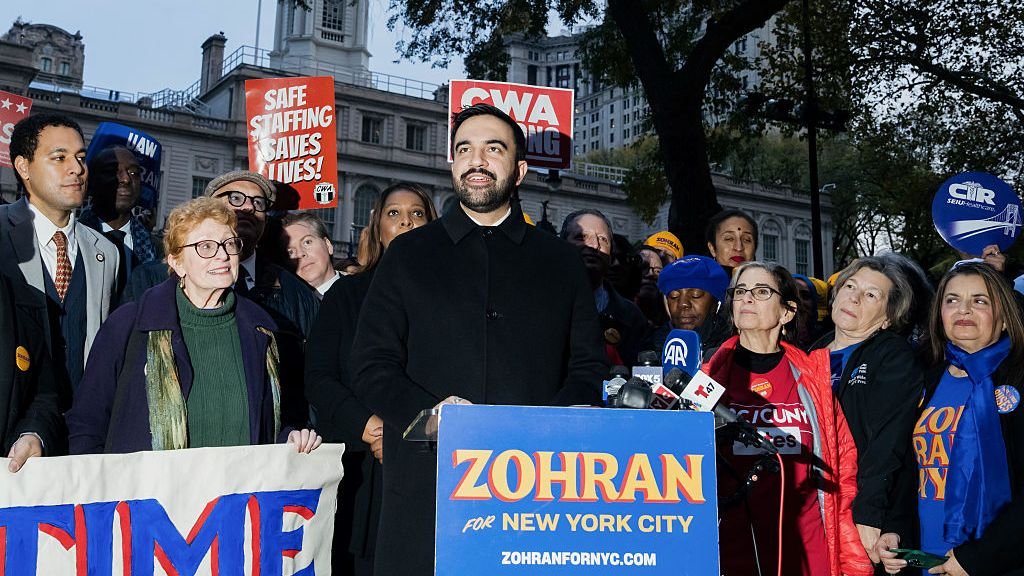
Zohran Mamdani secured a decisive mayoral victory on Tuesday night by mobilizing a high-tech, participatory fandom that successfully bridged the gap between viral internet culture and real-world voter turnout. The 34-year-old mayor-elect’s campaign outpaced rivals through a sophisticated digital strategy that combined high-production official content with an organic surge of user-generated media, fundamentally altering the landscape of modern political organizing.
Beyond the Algorithm: The Rise of the Political ‘Stan’
While traditional pundits credit Mamdani’s triumph to digital savviness, the true engine of his success was a phenomenon usually reserved for pop icons like Taylor Swift or K-pop groups: participatory fandom. Over several months, social media feeds transitioned from standard campaign messaging to a flood of fan-created “fancams,” digital illustrations, and remixed video tributes. This organic movement allowed young voters to engage with Mamdani using the same cultural tools they use to support their favorite musical artists.
Ashley Hinck, an associate professor at Xavier University specializing in online communication, notes that these supporters are applying their experience in digital fandom to the political sphere. According to Hinck, the skills required to engage with modern culture—remixing media and building online communities—have now become the primary tools for political mobilization. Despite the visible success of this strategy, the Mamdani campaign did not immediately respond to requests for comment regarding their specific digital coordination.
Authenticity as an Antidote to Digital ‘Slop’
Mamdani’s digital presence stood out by intentionally avoiding the pitfalls of AI-generated content and forced participation in shallow audio trends. While other candidates often struggle to manufacture authenticity, Mamdani maintained a professional yet accessible persona. He treated social media with the same gravity as his core policy platforms, such as housing affordability and urban infrastructure.
Ravi Mangla, national press secretary for the progressive Working Families Party, observed that Mamdani allowed a vibrant culture to flourish around him without compromising his own serious focus on policy. By remaining “laser-focused” on the issues, Mamdani provided a stable foundation for his followers to build a community that felt both fun and substantive, contrasting sharply with the “slop-filled” feeds of typical political cycles.
Strategic Partnerships and Content Accessibility
The campaign’s success also relied on non-transactional collaborations with local and national creators. Rather than hiring influencers for one-off promotions, the campaign fostered a communal environment where digital artists were eager to participate. Lauren Kapp, a digital strategist for the Kamala Harris campaign, highlighted that Mamdani’s “accessibility” made him uniquely “clippable,” a trait that few modern candidates have mastered.
From TikTok Scavenger Hunts to the Ballot Box
The Mamdani campaign successfully translated online energy into physical momentum through a series of unconventional field events. These included city-wide scavenger hunts across the five boroughs and “paint and sip” sessions where high-profile TikTok creators, such as Christian Divyne, mingled with elderly voters at local senior centers. These events served a dual purpose: they generated fresh content for social media while facilitating intergenerational dialogues about the election.
To support its nearly 100,000 volunteers, the campaign organized bar meetups and social gatherings, ensuring that the labor of door-knocking and phone-banking was reinforced by social connection. This holistic approach proved that effective digital strategy is not merely about SEO or timing, but about constructing a community centered on shared values.
A New Blueprint for Perpetual Political Engagement
As Mamdani prepares to take office, his established fandom remains one of his most potent political assets. Unlike traditional campaign infrastructures that dissolve after Election Day, fan communities tend to endure, providing a permanent base for fundraising, policy advocacy, and political defense. This shift from “voters” to “fans” suggests a new era where the most successful politicians are those who can inspire a culture of participation that outlives the campaign itself.