
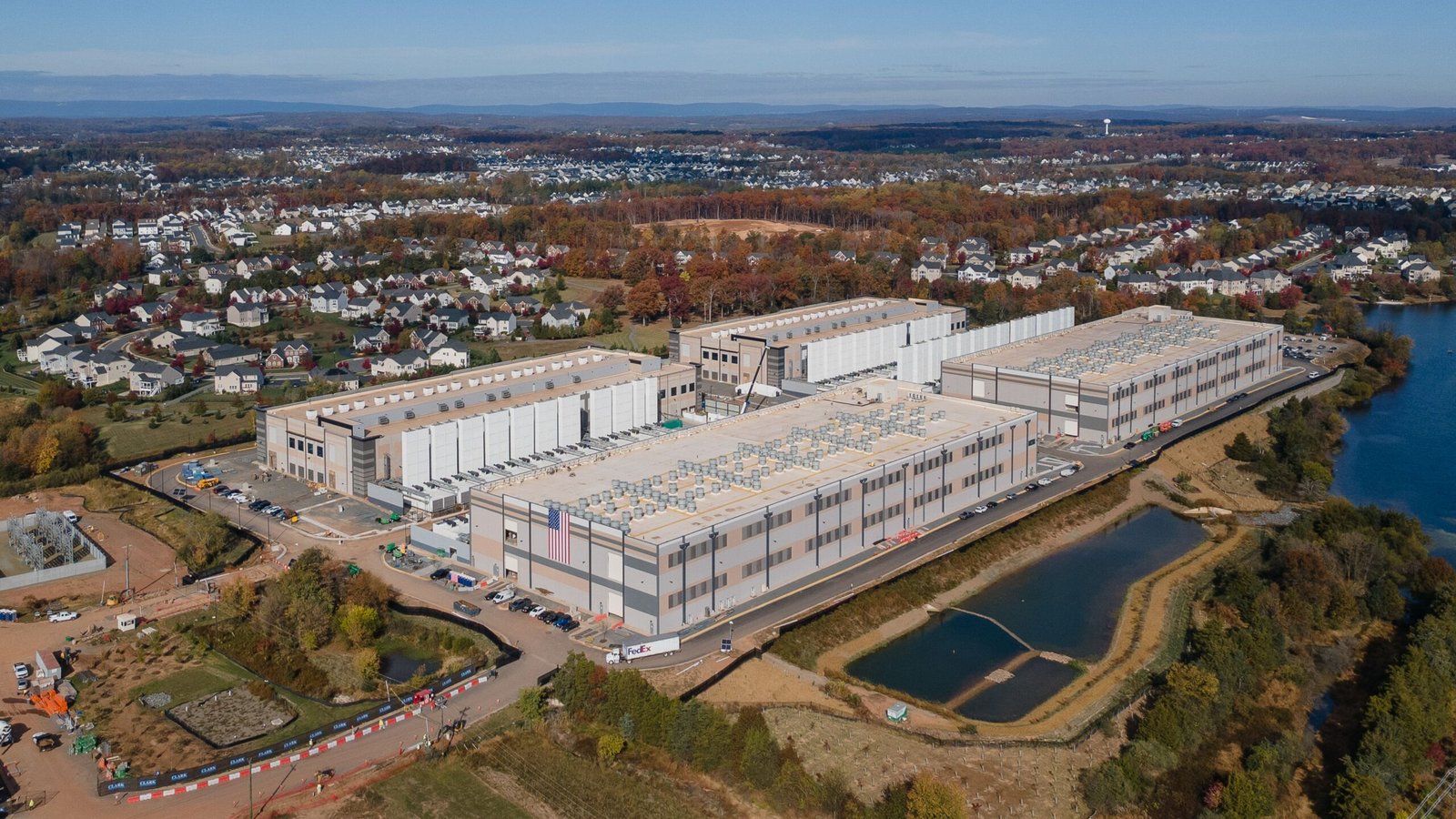
Microsoft President Brad Smith addressed mounting national opposition to data center expansion in Great Falls, Virginia, on Tuesday, unveiling a strategic commitment to prevent the company’s massive artificial intelligence infrastructure from inflating residential electricity bills. Speaking to a community increasingly wary of the tech industry’s footprint, Smith acknowledged a “moment in time” where the sector must confront public anxieties regarding energy costs, water scarcity, and the future of the workforce.
National Pushback Forces Tech Giants to Confront Infrastructure Costs
The tech giant’s pivot comes as communities across the United States voice pointed concerns over the rapid build-out of the facilities required to power the AI revolution. Smith highlighted that citizens are no longer just questioning the physical presence of these centers; they are scrutinizing the tangible impact on their monthly expenses and local resources. “They worry about the price of electricity,” Smith noted, signaling a shift toward corporate accountability in grid management.
This policy shift follows a high-profile directive from President Donald Trump, who recently pledged via Truth Social to collaborate with major technology firms, including Microsoft, to ensure data centers do not burden consumers. While labeling the U.S. the “hottest” country in the world for AI, Trump emphasized that technology companies must “pay their own way” to keep Americans secure without compromising their financial stability. This bipartisan pressure reflects a growing consensus that the cost of upgrading the nation’s aging electric grid should not fall on the shoulders of average taxpayers.
Local Resistance Stalls Multi-Billion Dollar Projects
The economic reality of data center expansion has already triggered significant political and social friction. Average electricity bills have consistently outpaced inflation, driven by grid maintenance and the massive energy demand of new tech hubs. The Energy Information Administration projects these costs will continue to climb through 2026, fueling a surge in local opposition that reached record levels in the second quarter of 2025. This resistance has already resulted in billions of dollars in canceled or stalled projects.
Wisconsin and Michigan: Case Studies in Community Opposition
Microsoft has felt the direct impact of this pushback. In October, the company abandoned plans for a Wisconsin data center after local groups warned of a potential 15 percent rate hike required to subsidize the facility’s power needs. More recently, a proposed project in Michigan entered a state of limbo following intense community scrutiny. During a planning commission meeting on Monday, hundreds of residents expressed their opposition, forcing the company to reconsider its approach to local integration.
The Trump Administration’s Regulatory Trade-off
While demanding that tech companies cover their own infrastructure costs, the Trump administration has simultaneously moved to clear regulatory hurdles. Federal agencies have removed various environmental protections, including water safeguards, and expedited the review of chemicals essential for data center operations. The Department of Energy has also directed the Federal Energy Regulatory Commission to prioritize issues surrounding interstate transmission to facilitate the nationwide build-out on federal lands.
Beyond Energy: Water Replenishment and Economic Pledges
To combat the narrative of resource depletion, Smith announced that Microsoft intends to reduce its water footprint and “replenish more water than we will use.” This pledge enters a contentious debate; White House AI czar David Sacks recently dismissed concerns over data center water consumption as a “hoax,” despite growing community alarm.
In a bid to foster local goodwill, Microsoft’s new framework includes several key concessions. The company has committed to adding high-quality jobs to host communities, refusing local tax abatements that often drain municipal budgets, and investing directly in regional AI training programs. By shifting the financial burden away from the public, Microsoft aims to stabilize its expansion plans against a backdrop of increasing civic and political volatility.