
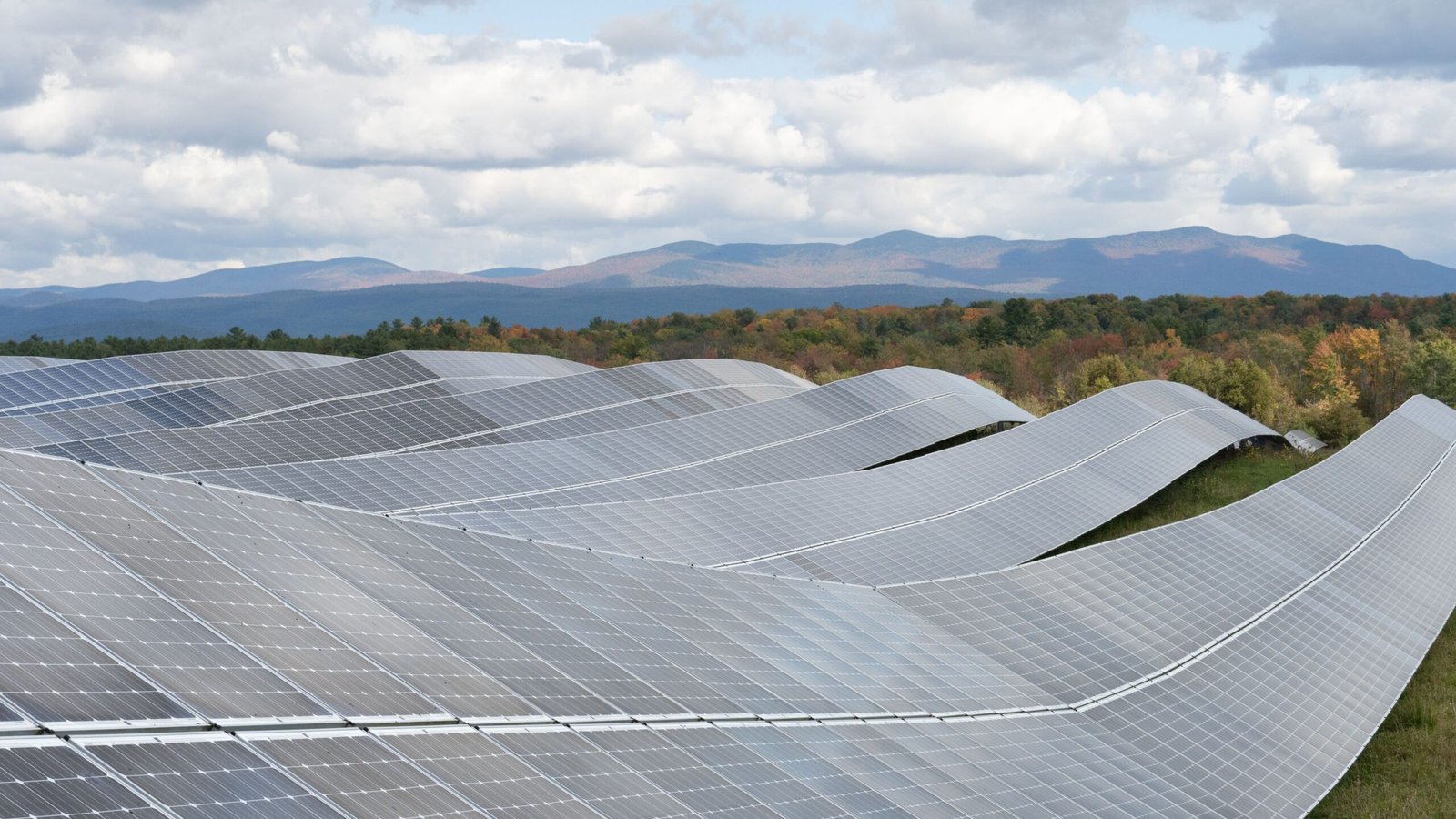
The United States added a record-breaking 57 gigawatt-hours of energy storage to its power grid in 2025, a nearly 30% year-over-year increase that now provides enough capacity to power over 5 million homes. This surge, documented by the Solar Energy Industries Association (SEIA) and corroborated by Bloomberg New Energy Finance, signals a fundamental shift in American infrastructure as the nation moves to stabilize a grid increasingly strained by fluctuating demand. The industry is projected to maintain this momentum, with analysts forecasting a 21% market jump by the end of 2024 and an additional 70 gigawatt-hours of capacity in 2026 alone.
The Political Resilience of Energy Storage
Battery technology has demonstrated remarkable political endurance despite a volatile legislative landscape. While the “One Big Beautiful Bill” enacted last summer slashed tax credits for wind and solar projects amid administrative shifts, battery incentives remained largely intact. This protection allowed the sector to thrive even as other renewable sectors faced aggressive policy headwinds. The contrast is stark compared to just a decade ago, when the entire national grid held less than half a gigawatt of total storage capacity.
Texas: The New Frontier of Market-Driven Energy
One of the most significant developments in the energy landscape is the rise of Texas as a renewable powerhouse. During the peak summer months, solar energy met more than 15% of the state’s total demand, surpassing coal for the first time in history. The SEIA report predicts that Texas will overtake California this year to become the leading U.S. state for total gigawatt-hours of storage deployed.
Jigar Shah, managing partner at Multiplier and former director of the Department of Energy’s Loan Programs Office, attributes this success to the state’s independent and deregulated power grid. “Texas basically says, ‘I don’t care about your cultural bias,’” Shah noted. “These are the market signals. If you want to build batteries, great. And it happened to be that batteries were most incentivized by their financial incentives.” This free-market approach has allowed batteries and solar to outpace traditional energy sources despite political resistance in Washington.
Optimizing Grid Efficiency and Stand-Alone Storage
The majority of battery installations in 2025 were “stand-alone” systems, meaning they operate independently of specific solar farms. This growth is critical for a national grid that currently operates at only 50% of its total capacity on an average day. The grid is designed with massive overcapacity to handle peak demand periods that occur only a few hundred hours per year.
“The only way to really get more out of the grid that we’ve already paid for is to put batteries on both sides,” Shah explained. By charging during off-peak hours when the grid is underutilized, batteries can discharge during high-stress periods, effectively lowering costs and preventing waste. This strategy is becoming essential as data centers—driven by the AI boom—seek “behind-the-meter” storage solutions to bypass long wait times for traditional grid connections.
Supply Chain Risks and the Road Ahead
Despite the current trajectory, the industry faces significant hurdles. The “One Big Beautiful Bill” reinforced strict limitations on manufacturers linked to China, Russia, Iran, and North Korea. Given China’s dominant position in the global battery supply chain, these restrictions could create procurement bottlenecks. Additionally, the SEIA report warns that project cancellations—triggered by the expiration of certain solar tax credits—could thin the pipeline of storage projects scheduled for the coming year.
As the 2025 administration’s focus on natural gas shifts toward a 2026 preoccupation with energy affordability, the strategic value of batteries is becoming harder to ignore. Industry experts suggest that the pressure to lower consumer prices will eventually force a more sober, bipartisan realization: batteries are no longer a “green” luxury, but a necessity for grid stability and economic performance.