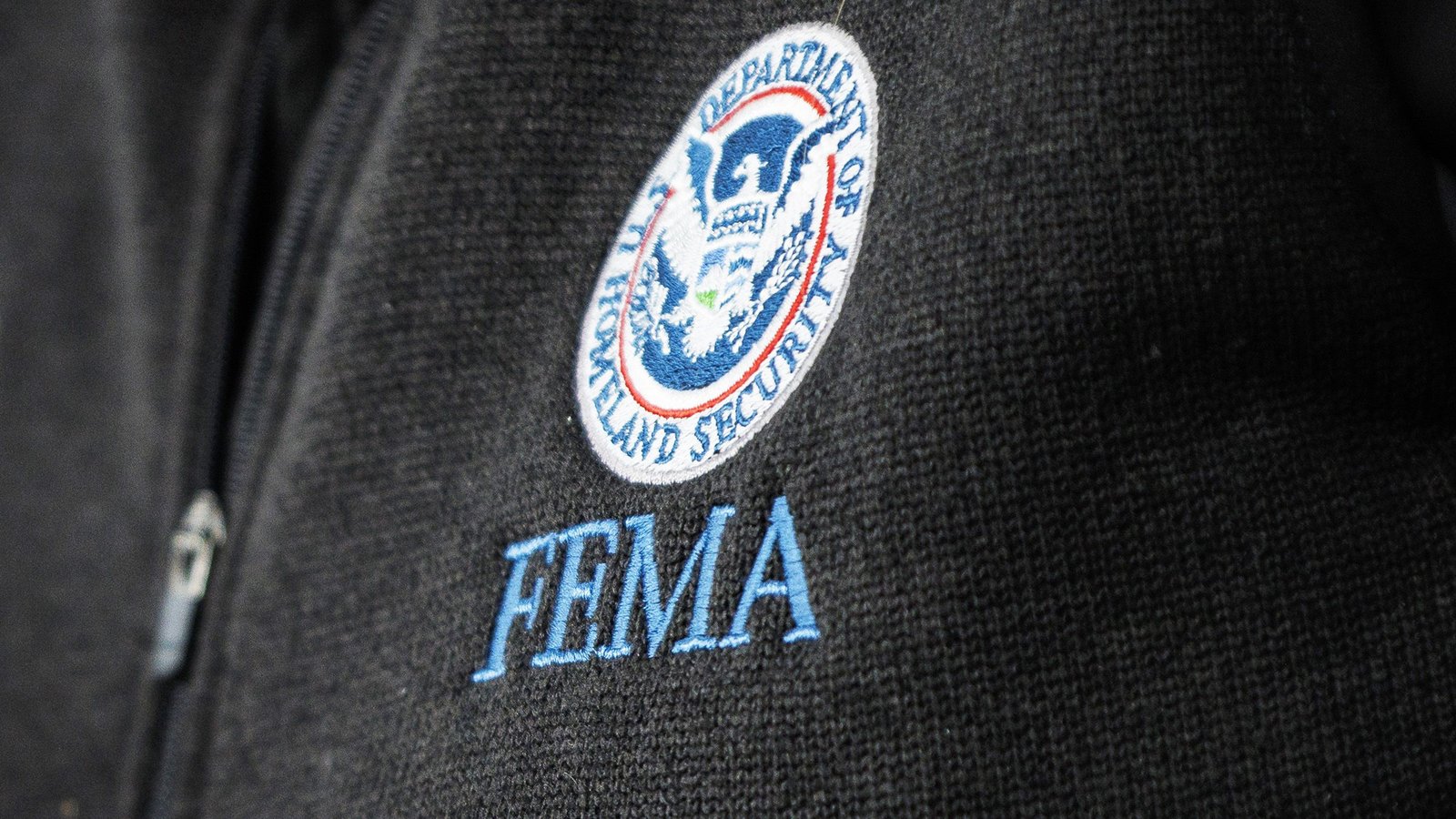
The Trump administration has ordered the Federal Emergency Management Agency (FEMA) to immediately halt all grant-funded activities dedicated to combating domestic violent extremism (DVE), shifting federal resources toward border enforcement and election security. According to an unreleased internal bulletin obtained by reporters, the Department of Homeland Security (DHS) is mandating that states “repurpose” or “discontinue” programs previously focused on tracking internal radicalization to align with the current White House’s revised security agenda.
Mandatory “Pause and Review” of Extremism Grants
The directive targets a wide array of state, local, and tribal initiatives. FEMA grant recipients must now “pause and review” any project specifically designed to identify or prevent domestic terrorism. Under the new guidelines, activities such as public awareness campaigns, specialized training for identifying extremist threats, and funding for organizations exclusively focused on DVE are no longer eligible for federal support. “All [domestic violent extremism] elements must be fully removed for the project to proceed,” the bulletin states, emphasizing that funds must instead support “current administration priorities.”
This policy pivot effectively dismantles a framework established in 2020, which required a percentage of Homeland Security Grant Program funds to be earmarked for domestic threats. In 2023 alone, DHS distributed over $82 million for DVE-related projects, including the hiring of intelligence analysts and the execution of active-shooter drills.
Shifting Resources to Border and Election Security
The administration is replacing extremism-focused mandates with a new set of national priorities. States must now redirect their existing grant allocations toward four key areas:
- Border Crisis Response: Increasing resources for enforcement and humanitarian management at the U.S. border.
- Election Security: Protecting polling sites and “verifying that poll workers are US citizens.”
- Cybersecurity: Strengthening digital infrastructure against foreign and domestic breaches.
- Soft Target Protection: Securing public spaces against generalized violence.
The bulletin provides specific examples of how to “repurpose” existing programs. For instance, a tabletop exercise originally designed to simulate a domestic extremist attack must be rewritten to focus on severe weather or cyber warfare. Programs that cannot be scrubbed of DVE elements must be terminated entirely.
Internal Deliberations and Legal Risks
Internal documents reveal that the Office of Management and Budget (OMB) played a central role in orchestrating this defunding. Memos from mid-July show FEMA staff grappling with the legalities of the shift, asking, “How do we make sure no more money is spent on domestic violence [sic] extremism?” and “Legally, how do we do that?”
FEMA staff acknowledged that amending open award packages carries “some legal risk” because it unilaterally alters the terms of grants already issued to states. Despite these concerns, the agency moved forward with the plan to notify recipients that DVE spending requirements have been abolished.
Divergence Between Policy and Infrastructure Threats
The decision to downplay domestic extremism comes amid a documented rise in physical attacks on the nation’s power grid. Department of Energy data shows that attacks on electrical infrastructure nearly doubled between 2020 and 2023. Recent high-profile cases include the conviction of a neo-Nazi leader for plotting grid attacks and anti-government groups targeting weather radar systems.
DHS spokesperson Tricia McLaughlin defended the cuts, characterizing previous DVE initiatives as “mission creep” by the former administration. “These programs are part of an ongoing assessment… to ensure proper use of taxpayer dollars,” McLaughlin stated.
A Broader Retrenchment Across Federal Agencies
The FEMA directive is not an isolated event but part of a systemic reduction of extremism-tracking capabilities across the federal government. The Center for Prevention Programs and Partnerships (CP3) has seen a 20% staff reduction and is now led by a former intern from the Heritage Foundation, the architects of Project 2025. Similar scale-backs have been reported at the FBI, the State Department, and the Department of Defense, where long-standing social science research programs into radicalization have been gutted.
Jon Lewis, a research fellow at George Washington University’s Program on Extremism, warns that this shift ignores the reality of far-right radicalization. “This fits into a broader trend of this administration downplaying the threat from white supremacy,” Lewis noted, suggesting that political narratives are now dictating the priorities of federal law enforcement and emergency management.