
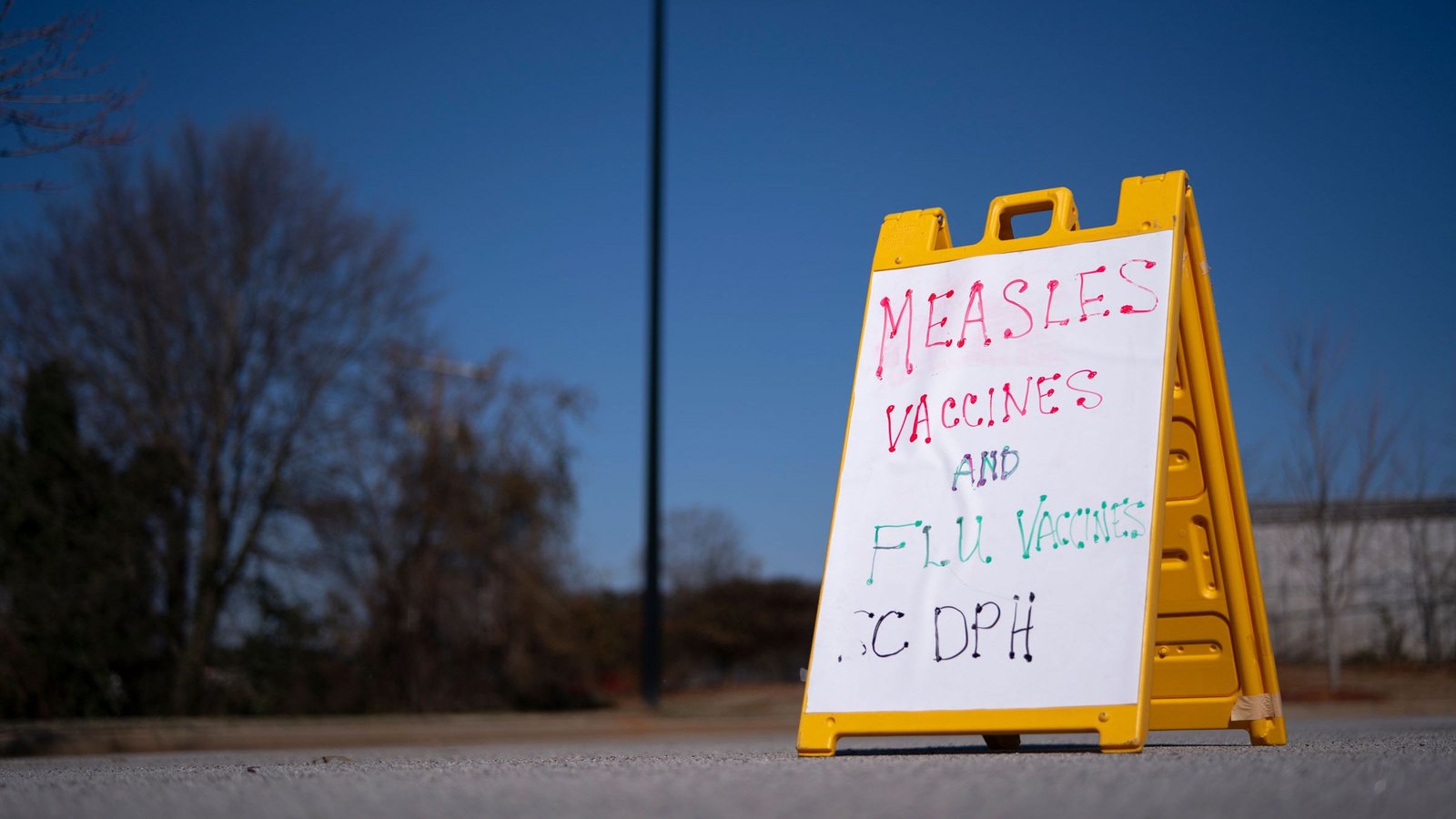
South Carolina health officials report a sharp decline in new measles cases this March, as the state’s historic outbreak—the largest in the U.S. in 30 years—slows from a mid-January peak of 200 weekly infections to approximately 10. While the downward trend offers relief, the state nears a total of 1,000 confirmed cases, contributing to a national resurgence that threatens the country’s measles elimination status.
Historic Outbreak Threatens U.S. Elimination Status
The Centers for Disease Control and Prevention (CDC) has confirmed 1,281 measles cases across the United States as of March 5. This figure already represents more than half of the 2,283 cases documented throughout 2025. This spike places the U.S. at risk of losing its “eliminated” designation, a status maintained since 2000 by ensuring no continuous transmission occurs for over a year. Beyond South Carolina, the CDC is monitoring 11 other active outbreaks, including clusters in Texas, Arizona, and Utah.
Spartanburg County: The Epicenter of the Crisis
The current crisis originated in October, centering primarily in Spartanburg County. Public health data identifies low vaccination rates in schools as the primary driver for the virus’s rapid spread. State Epidemiologist Linda Bell noted that social gatherings during the winter holidays and church events acted as significant exposure points, fueling the aggressive surge witnessed in January. The vast majority of these infections involve patients under the age of 18.
Clinical Impact and the Danger of Unvaccinated Populations
The outbreak has hit the unvaccinated population hardest, accounting for more than 93 percent of all South Carolina cases. Patients have experienced severe complications, including pneumonia and brain swelling. Medical professionals warn that the diagnostic lag—where symptoms like high fever, cough, and watery eyes appear a week before the signature rash—facilitates unintended transmission. While initial modeling suggested the outbreak could persist for over six months, current data indicates it may resolve sooner than health officials originally anticipated.
Vigilance Urged Amid Spring Break Travel
Despite the declining numbers, Dr. Linda Bell warns against complacency. With schools entering spring break throughout March and April, increased travel and visits to high-traffic tourist attractions pose a renewed risk of exposure. “We remain concerned and must be mindful of the fact that we can see cases increase again,” Bell stated during a March 4 briefing, emphasizing that the state must remain vigilant to prevent a secondary surge.
Public Response Drives Record Vaccination Uptake
The severity of the outbreak has prompted a massive shift in public health behavior across the state. Spartanburg County recorded a 133 percent increase in MMR (measles, mumps, and rubella) vaccinations this February compared to the same period in 2025, representing 900 additional doses. On a broader scale, the South Carolina Department of Public Health reported that 7,000 additional doses were administered statewide in February, marking a 70 percent year-over-year increase in immunization efforts.