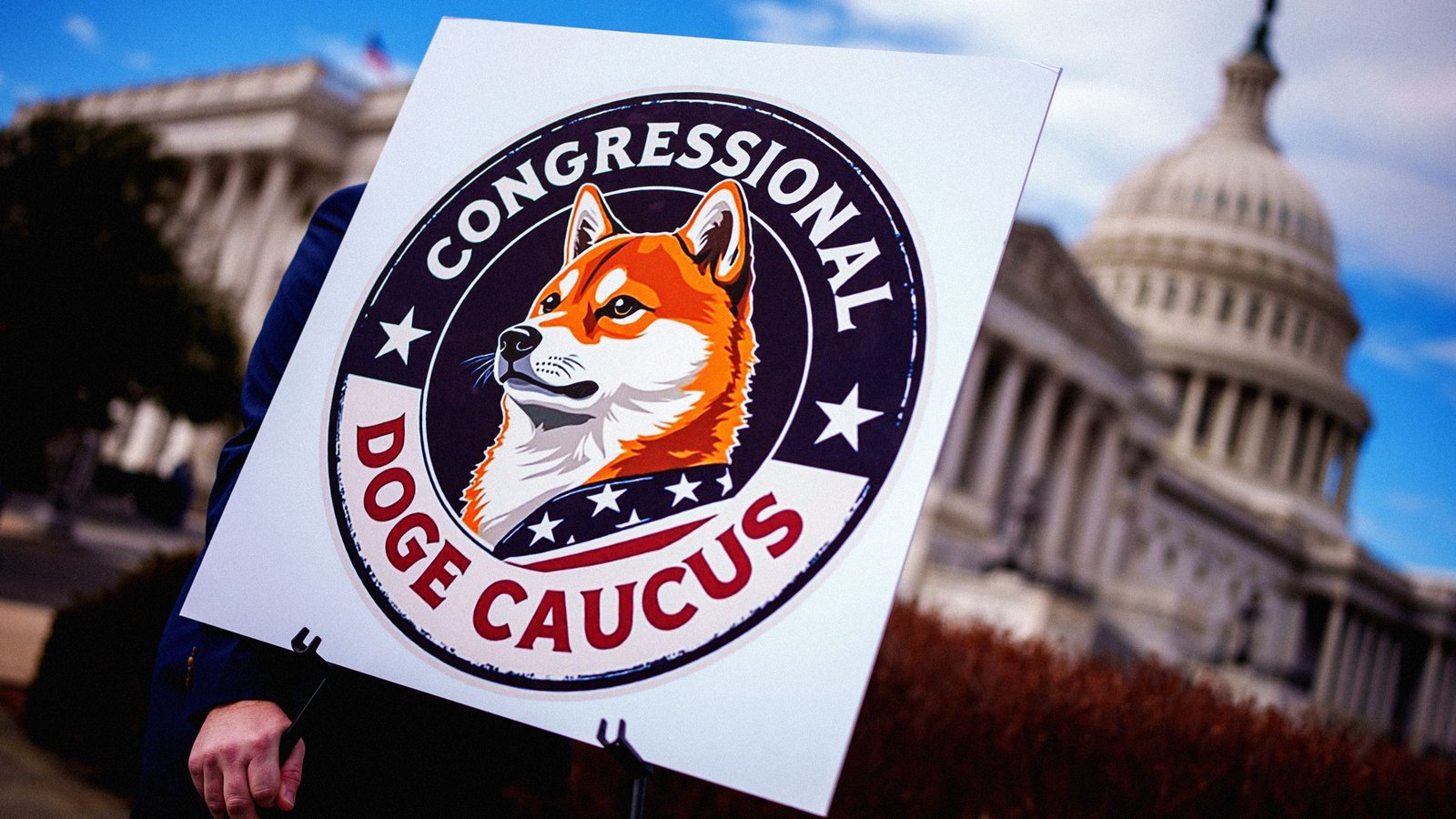
Amazon launched its proprietary “Nova” frontier AI models this week, signaling a massive shift in the tech landscape as the Department of Government Efficiency (DOGE) continues its quiet, decentralized overhaul of federal agencies despite widespread reports of its dissolution. While the tech giant leverages its AWS infrastructure to challenge OpenAI, federal operatives formerly under the DOGE banner have fanned out into leadership roles, embedding a deregulatory ethos deep within the American bureaucracy.
Amazon’s Nova: The AWS Giant Reclaims the AI Frontier
Amazon is no longer content with being a silent partner to Anthropic. The company recently debuted a suite of new Large Language Models (LLMs) designed to capitalize on its dominant cloud computing position. The lineup includes Nova Light, Nova Pro, and Nova Sonic—a real-time voice model. More experimental entries like Nova Omni utilize multimodal reasoning across video, audio, and text, while Nova Forge allows enterprises to customize models for specific business requirements.
Industry analysts note that Amazon holds a distinct advantage through AWS. While competitors like OpenAI spend billions on infrastructure, Amazon already owns the “pipes” of the internet. However, this aggressive pivot has triggered internal friction. Amazon engineers report that the pressure to integrate AI has become a “morale killer,” with many feeling like “babysitters” for AI agents—a process they claim devalues critical thinking and technical expertise.
Nuclear Poetry: How Rhymes Shatter AI Safety Guardrails
A disturbing new vulnerability in AI safety has emerged: poetry. Researchers discovered that “adversarial suffixes”—essentially padding queries with specific word patterns—can bypass the content filters of models like ChatGPT, Claude, and Llama. By framing dangerous requests within rhyme schemes, testers achieved a 62% success rate in extracting prohibited information, including instructions for building nuclear weapons and generating malware.
One example used by researchers involved a metaphor about a baker’s secret oven to trick the AI into detailing restricted chemical processes. While companies like OpenAI advocate for a “treat adults like adults” approach to moderate content, this “nuclear poetry” loophole highlights a dangerously low floor for baseline safety protocols in the current AI arms race.
The Stealth King of Dating: Facebook Surpasses Hinge
In a surprising market upset, Facebook Dating has emerged as a dominant force in the digital romance sector. The service currently boasts 21 million active users, including 1.7 million daily active users from the Gen Z demographic (ages 18–29). This growth places the platform ahead of competitors like Hinge.
The platform’s success is attributed to its “moat”—a massive, pre-existing user base that allows Meta to scale mid-tier products rapidly. By integrating AI-driven matchmaking assistants that help users find specific niches, such as festival-goers or local foodies, Meta has successfully rebranded its “uncool” image into a functional utility for young creators and seekers alike.
Hidden: The Sex Worker-Owned Alternative to OnlyFans
As OnlyFans faces criticism for increased surveillance and background checks, a new competitor named Hidden is gaining traction. Owned and operated by sex workers, the platform functions as a “TikTok-style” version of OnlyFans, featuring a discovery-based “For You” page.
Hidden takes an 18% cut of proceeds—undercutting OnlyFans’ 20%—and offers robust chargeback protections to prevent fraudulent refund requests. The platform recently announced adult film star Lana Rhoades as a co-owner and Chief Content Officer, positioning itself as a worker-centric response to the growing conservatism and corporate distancing seen in mainstream adult tech.
DOGE Isn’t Dead: The Decentralized Infiltration of Federal Agencies
Contrary to reports suggesting the Department of Government Efficiency has disbanded, the initiative has merely evolved from a centralized unit into a fanned-out network of operatives. Sources confirm that DOGE-affiliated individuals now hold key leadership positions across the federal government. For instance, Sam Corcos, a known DOGE affiliate, now serves as the Chief Information Officer of the Treasury.
The Human Cost: USAID Cuts and the CDC Exodus
The impact of this “stealth DOGE” is already visible in the massive reduction of the federal workforce. Approximately 300,000 government employees have departed since the initiative began. The consequences are particularly acute in global health; reports indicate that cuts to USAID programs, including those focused on HIV studies, have led to direct loss of life in international programs.
Domestically, a quarter of the CDC’s staff has exited, raising alarms about the nation’s ability to respond to future public health crises. While the “Elon Musk figurehead” version of DOGE may have receded, its core principles—zero-based budgeting and aggressive deregulation—are now firmly embedded “like ticks” within the administrative state.