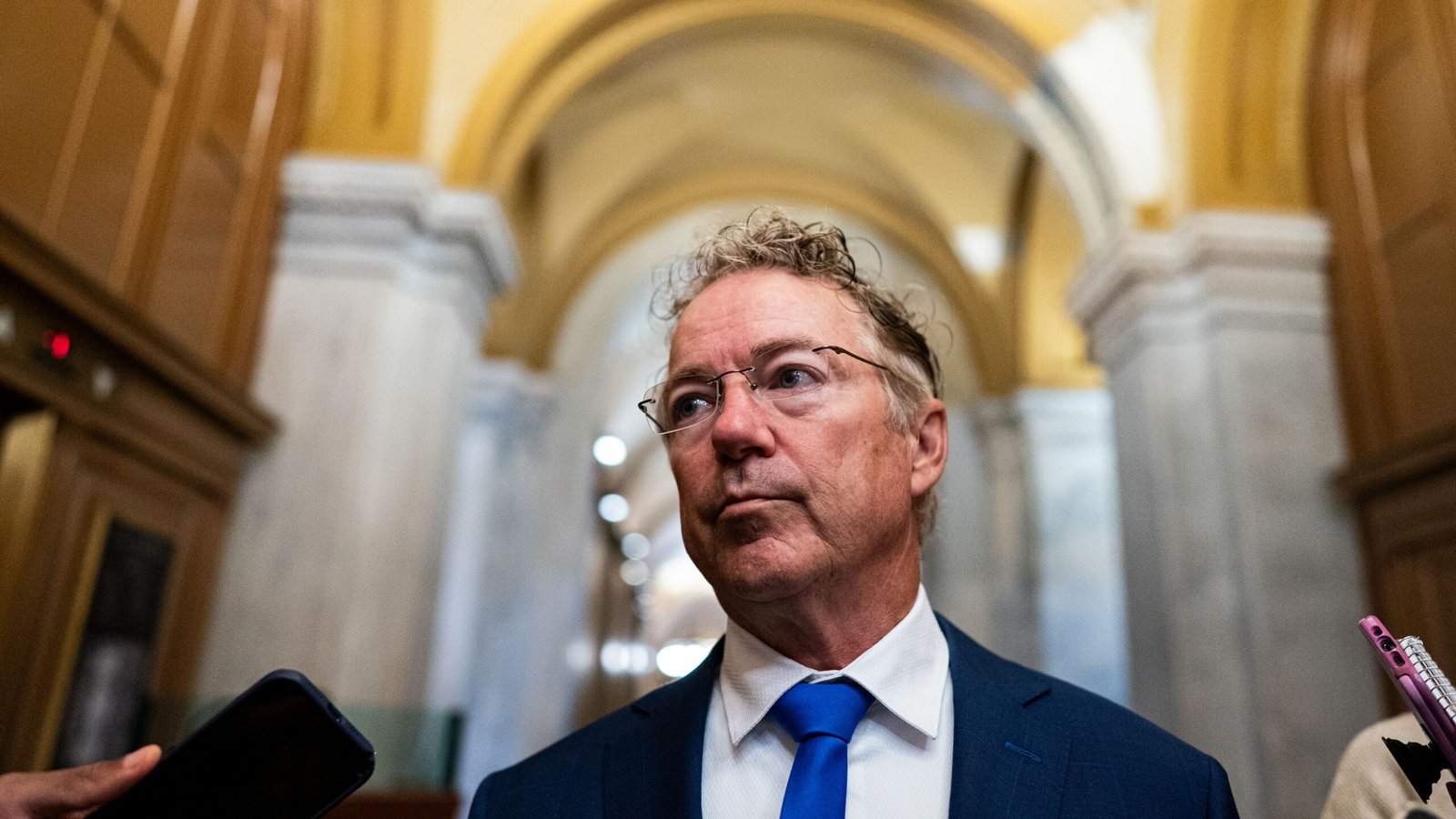
In an expansive move that critics label a targeted strike on academic freedom, the Senate Committee on Homeland Security and Governmental Affairs, chaired by Senator Rand Paul, has issued sweeping demands for internal documents from at least three prominent university research centers specializing in domestic extremism. The investigation, which surfaced via letters reviewed by industry observers, mandates the surrender of nearly five years of communications, internal data, and staff security clearance details, signaling a high-stakes confrontation between federal oversight and independent academic inquiry.
The Weaponization of Oversight: The Quiet Skies Connection
The committee’s inquiry ostensibly stems from an ongoing investigation into the “Quiet Skies Program,” a TSA surveillance initiative that became the focal point of a September 30 Capitol Hill hearing. While civil rights organizations previously criticized the program for its lack of transparency and potential for profiling, Senator Paul’s current trajectory suggests a broader objective. The committee is specifically investigating whether academic researchers exerted undue influence over federal aviation watchlists, effectively “weaponizing” government programs against political dissidents.
The Quiet Skies program, operational since 2012, was designed to screen passengers in the post-9/11 era. However, a 2020 inspector general report highlighted a failure to establish efficacy benchmarks. Department of Homeland Security Secretary Kristi Noem officially terminated the program in June 2024 following allegations from conservative activists that it targeted individuals based on their opposition to Covid-19 mandates or their support for the 2020 election denial movement.
Massive Data Demands and the 300-Term Query List
The scope of the Senate’s demand is unprecedented in its granularity. Universities have been instructed to produce all records, memoranda, and data exchanged with federal staff between January 1, 2020, and February 1, 2025. Critically, the committee provided a list of over 300 specific query terms to be used in searching internal and external emails. These terms include:
- Trump supporters and the Trump Campaign
- Capitol Police and “Trump voter”
- Far-right groups such as the Oath Keepers, Boogaloo Boys, and Three Percenters
- Specific individuals including Kash Patel, Pam Bondi, Tulsi Gabbard, Enrique Tarrio, and Stewart Rhodes
- Identifiers like “red hat,” “sedition,” and “Sedition Hunters”
Research experts note a stark ideological disparity in the request. Out of the hundreds of terms listed, only two—”anti-fascist” and “Black Lives Matter”—pertain to left-wing movements. This imbalance has fueled concerns that the inquiry is less about government overreach and more about discouraging research into far-right radicalization and ideologies.
Impact on Academic Inquiry and National Security
The demand for staff security clearances and federal grant funding sources is viewed by many in the academic community as a “chilling effect” designed to intimidate researchers. By targeting institutions like the Program on Extremism at George Washington University, the committee risks isolating scholars whose work informs national security policy regarding domestic threats. The inquiry coincides with a period of intense scrutiny over how the government defines and combats “dissent,” particularly following executive orders that labeled certain anti-capitalist and anti-fascist beliefs as potential indicators of terrorism.
The Context of January 6 and Recent Pardons
The Senate’s aggressive posture toward extremism researchers arrives amidst a volatile legal landscape for domestic militants. Since President Trump issued more than 1,500 pardons and commutations for individuals involved in the January 6 Capitol riot, the recidivism rate has become a point of national debate. At least 10 pardoned individuals have allegedly re-offended, facing charges for serious crimes. Notably, Andrew Paul Johnson, who pleaded guilty to multiple charges related to the Capitol breach, was recently arrested in Florida on child molestation charges shortly after receiving a pardon.
As the Senate Committee on Homeland Security and Governmental Affairs continues its probe, the silence from Senator Paul’s office and the committee regarding requests for comment leaves the academic community in a state of defensive uncertainty. The outcome of this document demand could redefine the boundaries between congressional oversight and the independence of researchers tracking the evolution of political violence in the United States.