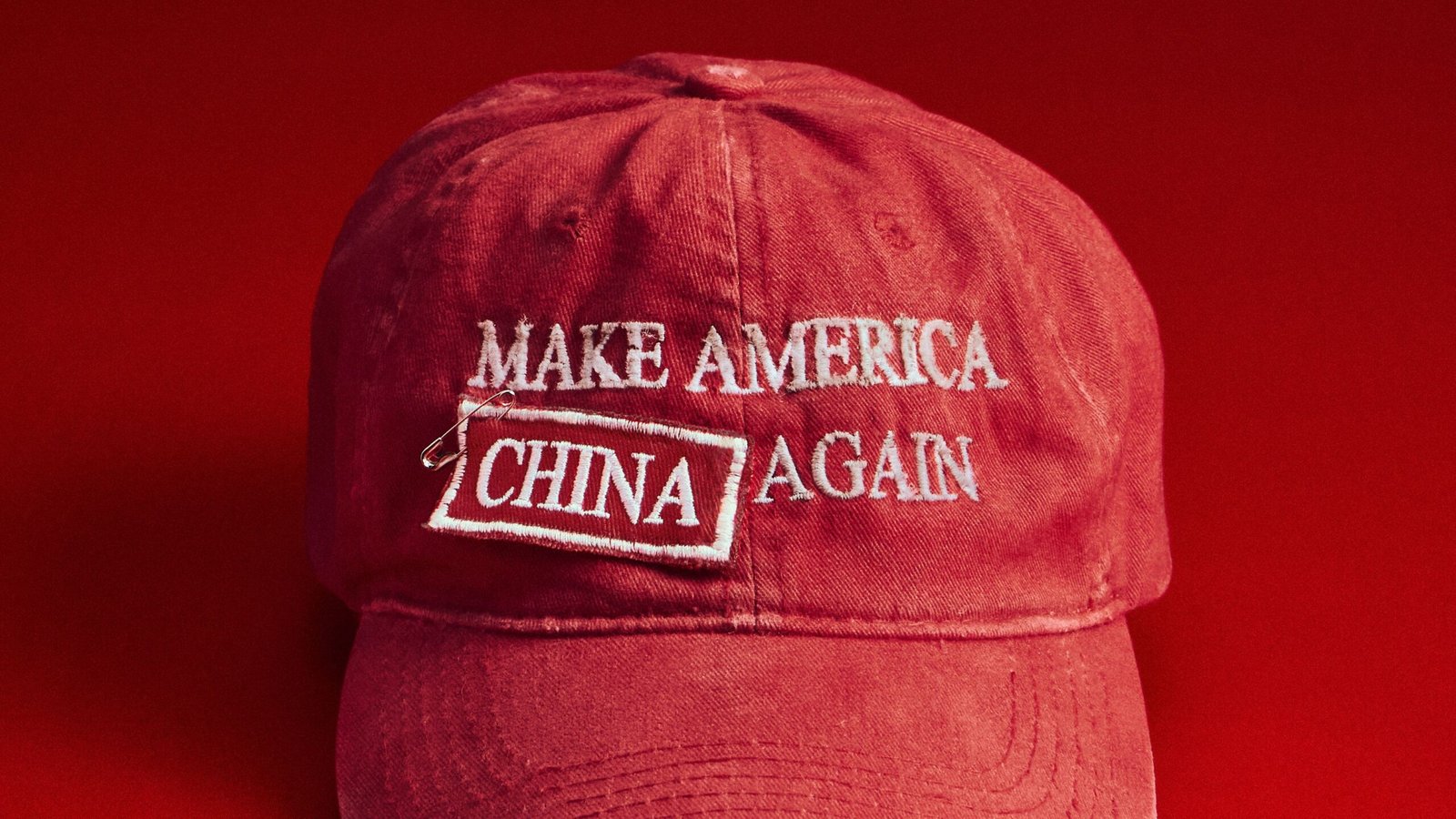
China has officially transcended its reputation as a low-cost assembly hub, successfully pivoting from “Chinese speed” to “Chinese quality” as Beijing dominates the global technological and industrial landscape in 2025. While Western nations grapple with internal restructuring, Chinese enterprises have aggressively seized leadership in critical sectors, ranging from advanced humanoid robotics to high-output bio-engineering, effectively redefining the “Made in China” label into a hallmark of high-tier innovation.
The Robotic and Biological Leap
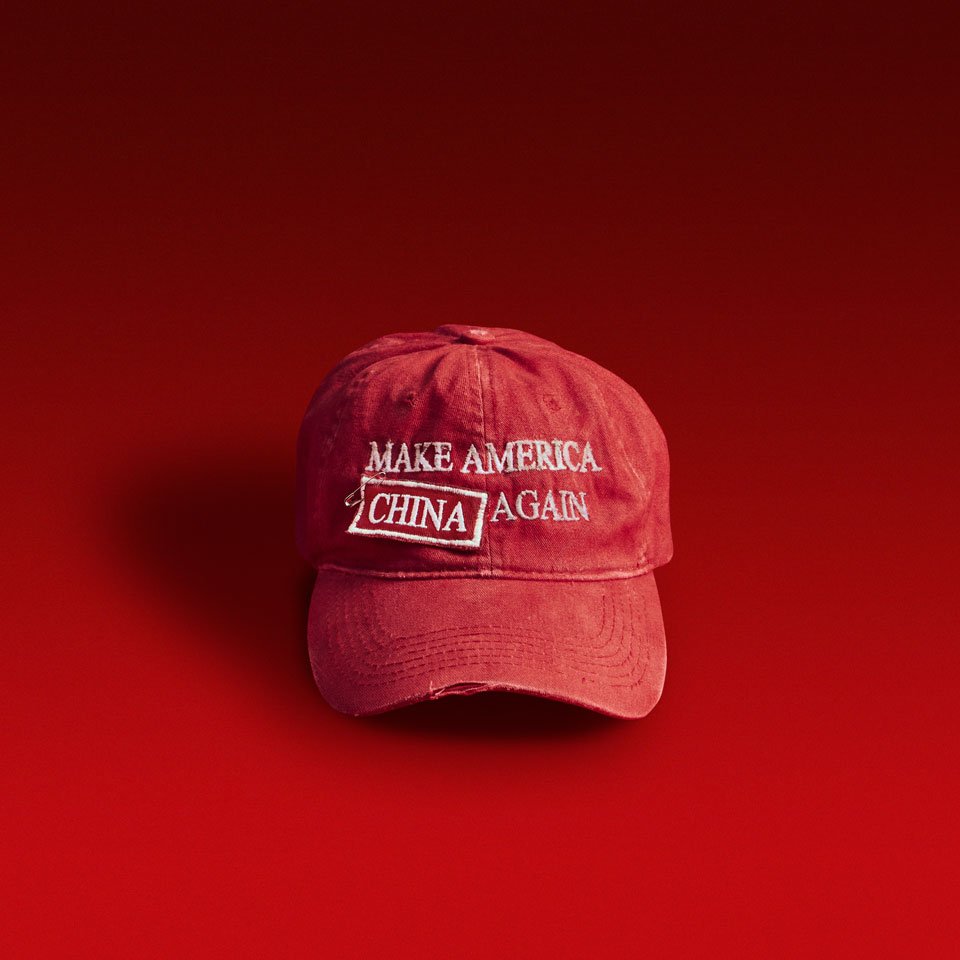
The scale of China’s industrial ambition is most evident in the field of automation. Currently, more than 200 Chinese companies are actively developing humanoid robots, a staggering figure that dwarfs the approximately 16 firms pursuing similar technology in the United States. This surge in mechanical labor is mirrored by breakthroughs in agricultural biotechnology. Chinese scientists have successfully developed a cloned “super cow” capable of producing nearly double the annual milk output of a standard American bovine, signaling a shift toward tech-driven food security.
Energy Dominance and the Global Battery Monopoly
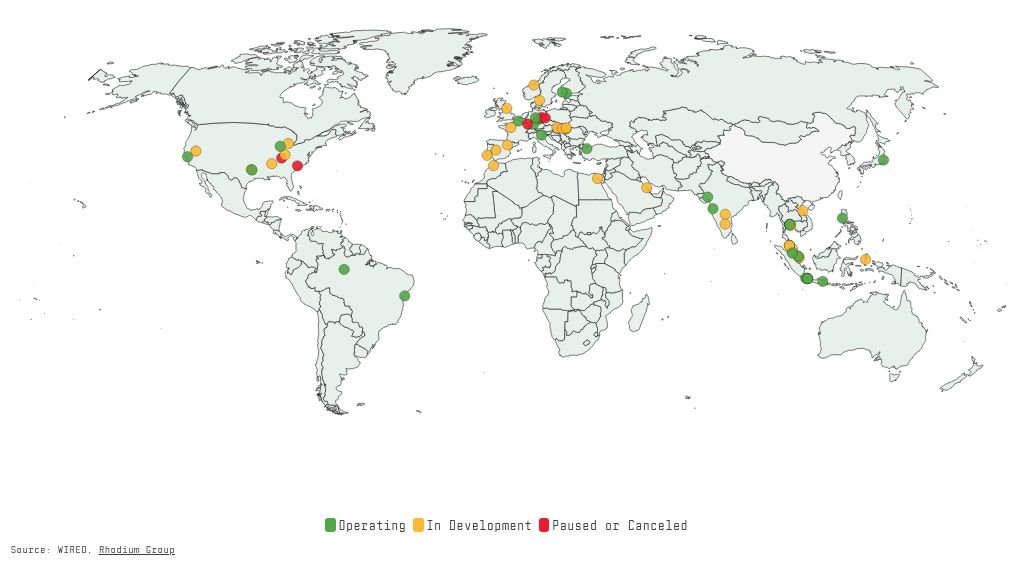
In 2024, Chinese manufacturers controlled over 80 percent of the world’s battery cell production. This dominance is no longer confined to domestic borders; these corporations are rapidly establishing a global manufacturing footprint, building gigafactories across nearly every continent. This infrastructure fueled a massive disparity in the automotive sector: by 2025, Chinese-made electric vehicle (EV) sales reached record heights, outselling American EV counterparts by a ratio of ten to one. However, this industrial might comes with a significant environmental footprint, as China remains the world’s largest producer of textile waste.
The Frontiers of Ethics and Digital Control
China’s approach to boundary-pushing science remains controversial. He Jiankui, the scientist infamous for creating the first gene-edited human infants, has returned to independent research in Beijing following a three-year prison sentence. Now operating a private laboratory, he continues his work under the moniker “China’s Frankenstein.” Simultaneously, the nation explores the intersection of engineering and narrative; Ma Qianzhu, an engineer at a state enterprise, led a collective of 500 peers in a project simulating a “technological wormhole” to the Ming Dynasty, aiming to conceptually trigger an early industrial revolution to solidify China’s historical greatness.
Algorithmic Governance and AI Oversight
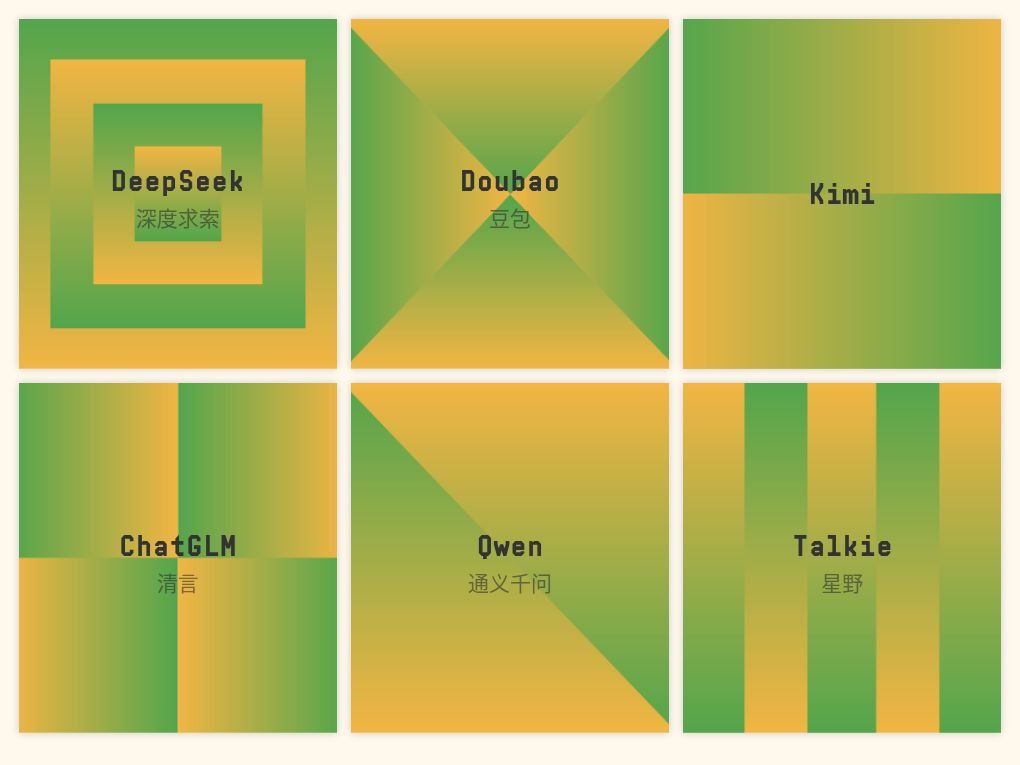
While Western regulators struggle to define comprehensive AI frameworks, the Cyberspace Administration of China (CAC) has implemented a rigid “algorithm registry.” Any corporation deploying AI tools with social mobilization capabilities must demonstrate compliance across 31 risk categories, ensuring products do not violate “core socialist values.” This oversight has inadvertently produced the world’s most exhaustive map of a national AI ecosystem, providing Beijing with unprecedented visibility into its domestic tech evolution.
Infrastructure at Breakneck Speed
The physical landscape of China continues to transform at a pace that defies Western architectural norms. The Broad Group now demonstrates the capability to erect fully functional 10-story buildings in a matter of hours. This efficiency extends to the green energy sector; in the first half of 2025 alone, China installed more new solar capacity than the rest of the world combined, despite its status as a leading carbon emitter. Furthermore, the nation’s high-speed rail network now spans nearly 100,000 miles, leaving the American Amtrak system—which operates mostly on conventional tracks—distantly behind.
Cultural Export: From “Ne Zha” to “Labubu”
China’s soft power is reaching a boiling point. The animated feature Ne Zha II shattered global records last year, becoming the first non-Hollywood film to surpass $1 billion in a single market before eventually doubling that figure. Despite its protagonist’s unconventional and “gross-out” aesthetic, the film’s massive success forced Western distributors like A24 to take notice.

Parallel to cinema, the “Labubu” collectible craze—orchestrated by Pop Mart—has evolved into a global phenomenon. With endorsements from tech leaders like Tim Cook and a feature film in development by Sony Pictures, China’s first major pop-culture export is expanding its manufacturing to Vietnam, Mexico, and beyond. This cultural shift is supported by a domestic appetite for homegrown luxury over imported brands, marking a definitive end to the era of Western brand hegemony in the East.


As China maintains the world’s most dense surveillance network—boasting more cameras than the rest of the globe combined—it continues to export its model of high-tech governance and consumerism, signaling that the “Chinese Century” is not a future prediction, but a present reality.