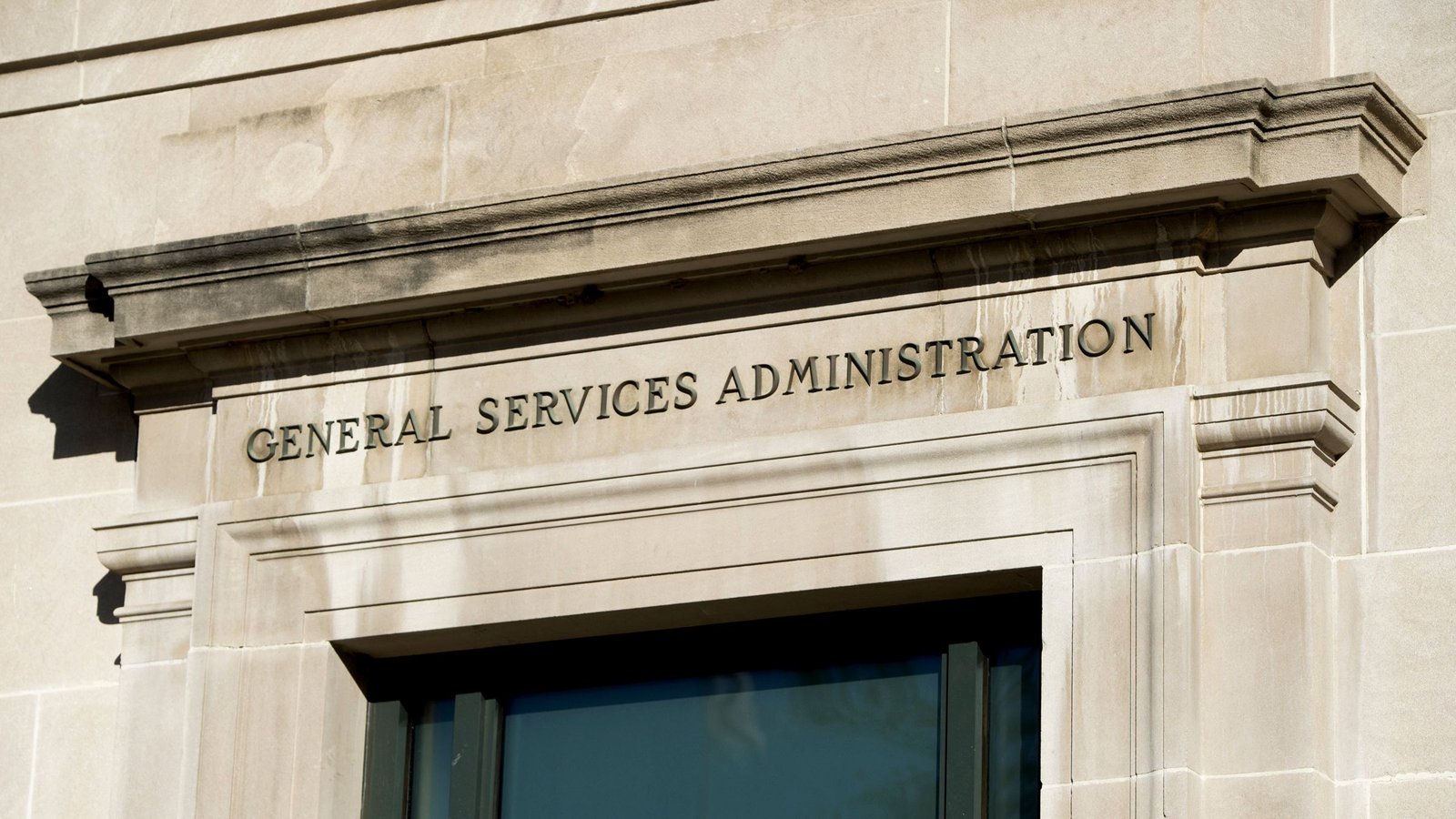
Acting GSA Administrator Stephen Ehikian triggered an internal credibility crisis on March 20 when he denied the existence of a “DOGE team” within the agency, despite physical evidence of Elon Musk’s associates occupying restricted sections of the federal headquarters. During an all-hands meeting, Ehikian questioned the very concept of the Department of Government Efficiency (DOGE) inside the General Services Administration, even as employees pointed to a newly fortified wing on the building’s sixth floor guarded by key-card access.
GSA Leadership Faces Credibility Gap Over Secretive DOGE Presence
Staff members describe a sharp decline in leadership trust following Ehikian’s statements. While the administrator claimed no such team exists, employees confirmed that a previously open section of the GSA’s sixth floor now operates behind closed doors and armed security. This restricted area reportedly serves as the nerve center for Musk-linked operatives who have rapidly integrated into the agency’s infrastructure since the start of the current administration.
“I’ve never seen a leader lose credibility in real time before,” one current GSA employee noted, comparing the atmosphere to a “plummeting” sensation. The disconnect between official rhetoric and the physical reality of the workplace has created a palpable tension within the organization that manages federal real estate and technology.
New Directory Listings Reveal Musk’s Growing Federal Footprint
Despite the official denials, the GSA employee directory tells a different story. At least six high-level DOGE affiliates, including Musk’s primary lieutenant Steve Davis and former Palantir intern Akash Bobba, hold GSA email addresses and report directly to the administrator’s office. New data surfacing in the directory also includes Dave Malcher, a former SpaceX employee, and Raj Jegannathan, a Vice President of information security at Tesla. These previously unreported ties suggest a deep integration of Musk’s corporate leadership into the highest levels of the GSA organizational chart.
The Two Faces of the US DOGE Service
The confusion surrounding these appointments stems from a complex bureaucratic structure. The administration repurposed the US Digital Service into the “US DOGE Service,” which contains a “Temporary Organization” tasked with executing Musk’s efficiency mandates. This dual structure allows DOGE affiliates to be hired directly into federal roles or “detailed” to agencies temporarily, blurring the lines of accountability and official status.
Expanding Mandate Sparks Lawsuits Over Sensitive Data Access
The reach of DOGE extends beyond simple consulting. A January 20 executive order requires every federal agency to establish a DOGE team consisting of at least four members. If Ehikian’s claim that no such team exists at the GSA is accurate, the agency would technically be in violation of the President’s direct order. However, the scope of these teams has widened significantly following subsequent orders to eliminate “waste, fraud, and abuse.”
This expansion has drawn legal fire from the AFL-CIO and other labor groups. A recent lawsuit alleges that the administration is using “waste and abuse” as a pretext to grant DOGE members unrestricted access to the sensitive personal information of millions of Americans. Plaintiffs argue that these “magic words” do not legally justify bypassing privacy protections to provide on-demand data access to Musk’s team.
The Rise of the “Tech Bro” Bureaucracy
While some DOGE members, like former Tesla engineer Thomas Shedd and Morgan Stanley banker Michael Grimes, hold formal titles at Technology Transformation Services and the Commerce Department, others operate in a financial grey area. Documents reveal a wide disparity in compensation: some high-profile team members, such as Edward Coristine and Luke Farritor, are listed with $0 salaries, while others earn between $120,000 and $150,000 annually.
Inside the GSA, the presence of these affiliates is unmistakable. Employees report regular sightings of “young tech bros” walking the halls in groups. Regardless of their official payroll status—which may be processed through the GSA for other agencies—their influence on federal operations is undeniable. As the line between “working for DOGE” and “executing DOGE’s agenda” vanishes, the GSA remains at the center of a fundamental transformation of the American civil service.