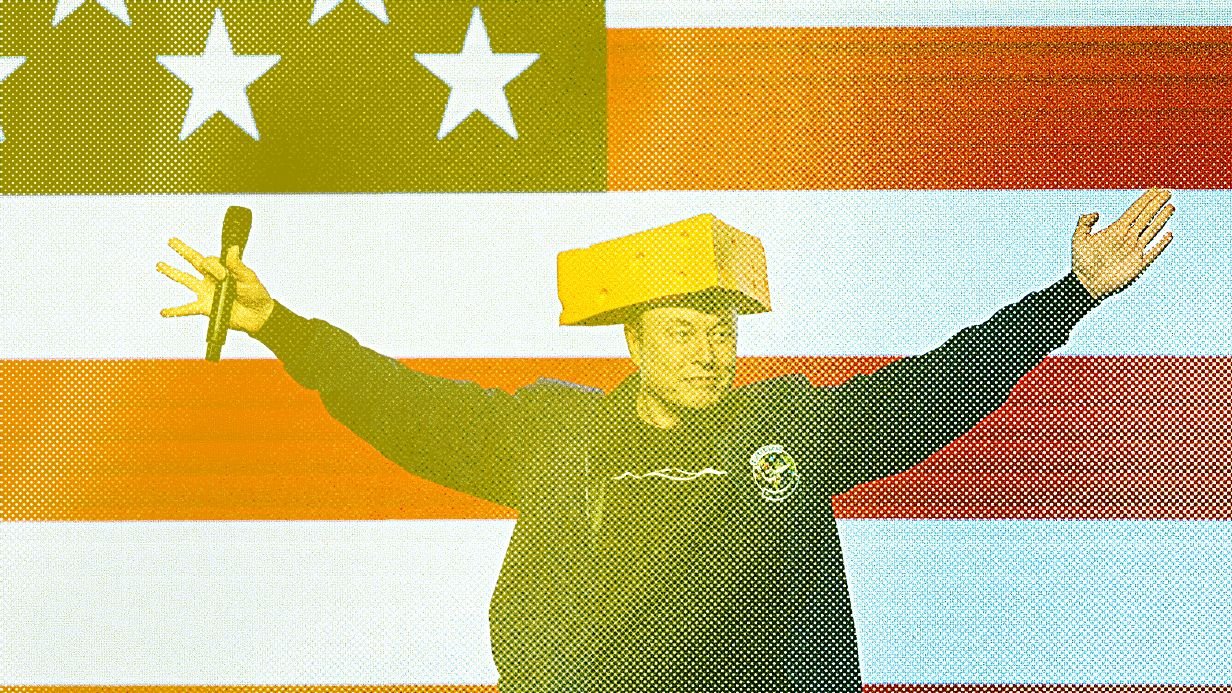
Tech billionaire Elon Musk is officially shifting to a part-time advisory role at the so-called Department of Government Efficiency (DOGE) this May, reducing his involvement to just 20% as he attempts to stabilize a faltering Tesla. While Musk claims the move follows the successful implementation of DOGE’s structural framework, the transition occurs amidst mounting scrutiny over the entity’s actual fiscal impact and its increasingly dystopian use of federal data.
The Metaphysical Reality of a Non-Existent Department
Despite the high-profile branding, DOGE remains a legal ambiguity rather than a formal government agency. Operating as a “temporary organization” within the General Services Administration (GSA), the group functions as a private-sector takeover of federal infrastructure. Internal reports indicate that while DOGE operatives occupy secure facilities within the GSA building, official leadership has occasionally denied their presence, leading critics to describe the entity as a “metaphysical” shadow office.
The organization consists primarily of young technologists recruited from the corporate ecosystems of Musk and Peter Thiel. Notable figures include Edward Coristine, a 19-year-old Musk appointee, and Steve Davis, a key lieutenant from Musk’s private ventures. This cohort has spent the last five months aggressively embedding themselves within dozens of federal agencies to execute a mandate of radical deregulation and workforce reduction.
Dystopian Efficiency: AI Surveillance and Mass Layoffs
DOGE’s operational playbook mirrors the “hardcore” culture Musk famously imposed at X (formerly Twitter). The group’s primary focus has shifted toward building a centralized master database that aggregates sensitive information on private citizens. This infrastructure reportedly powers AI-driven systems designed to surveil immigrant populations with unprecedented speed and scale.
Furthermore, DOGE’s recruitment efforts have targeted Silicon Valley alumni to design AI agents capable of replacing at least 70,000 federal employees within a year. Internal communications from tech-heavy Slack groups reveal a polarizing reception to these initiatives; while some developers are eager to join, others have labeled the project’s goal of replacing human oversight with automated systems as “fascist.”
The Human and Operational Cost of “Austerity”
The pursuit of efficiency has led to significant disruptions in basic government functions. Federal employees have reported a total collapse of office logistics—ranging from a lack of printer paper to the depletion of basic sanitary supplies—following a $1 limit placed on government credit cards. These austerity measures contrast sharply with the administration’s lavish social events and ongoing cryptocurrency initiatives, raising questions about the true beneficiaries of the current fiscal policy.
The Tesla Pivot: Strategic Optics or Genuine Delegation?
Analysts suggest Musk’s decision to scale back to two days a week is a calculated move to soothe Tesla shareholders. The electric vehicle manufacturer has faced a brutal quarter characterized by stagnant model lineups, frequent recalls, and a declining brand reputation tied to Musk’s political entanglements. By framing his exit as “delegation mode,” Musk attempts to signal that DOGE is self-sustaining, allowing him to return his focus to preventing a total collapse of Tesla’s market value.
However, the “damage is done” regarding the federal workforce. Even with Musk in a part-time role, the DOGE operatives embedded in agencies like the FDA and the Social Security Administration continue to fast-track AI integration. Projects once slated for years of careful study are now being deployed in weeks, often using “hallucination-prone” generative AI to handle critical public services.
A Legacy of Discrepancies and “Receipt” Errors
The financial success of DOGE remains a subject of intense debate. While the administration initially promised to slash $2 trillion from the federal budget, that goal was quickly halved. Currently, DOGE’s own website claims $160 billion in savings, yet independent audits suggest the “wall of receipts” totals only $63 billion. Paradoxically, as of late March, overall government spending had actually increased by 10% compared to the previous year, leaving the national deficit largely untouched despite the aggressive workforce cuts.
The only potential “bright spot” identified by Silicon Valley insiders is Musk’s influence on high-tech immigration. Reports suggest Musk has successfully lobbied against the most restrictive H-1B visa policies proposed by hardliners in the administration, recognizing that a total ban on foreign tech talent would cripple the American AI sector. This singular point of friction highlights the complex, often contradictory nature of Musk’s tenure as the architect of government “efficiency.”