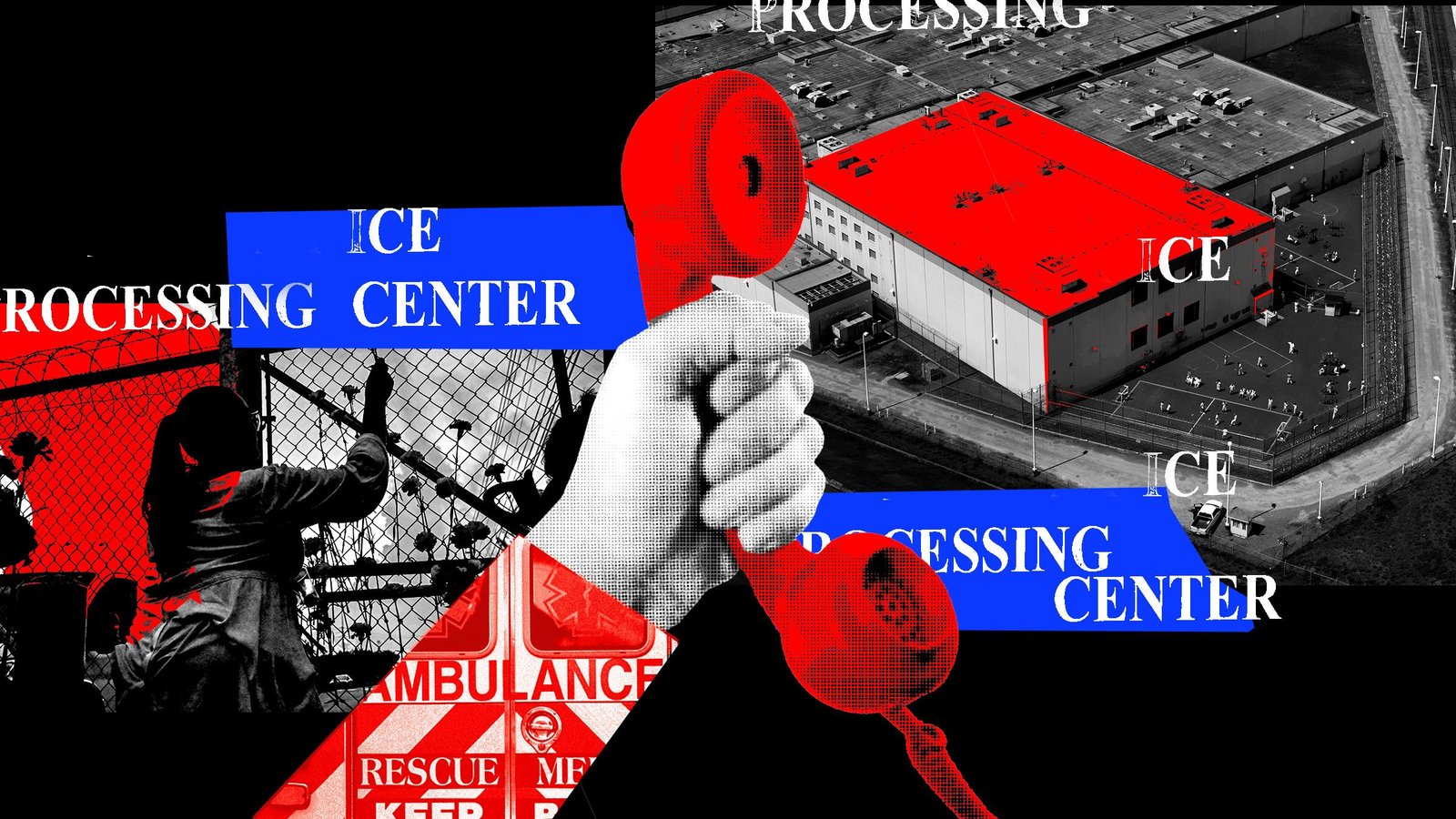
Analysis of hundreds of emergency dispatches since January 2025 exposes a systemic medical failure within U.S. Immigration and Customs Enforcement (ICE) facilities, where surging populations and critical resource shortages are triggering a spike in preventable tragedies. Data obtained from 10 of the nation’s largest detention sites reveals that over 60 percent of these facilities reported life-threatening complications, including cardiac arrests, suicide attempts, and allegations of sexual assault, often met with inadequate equipment and delayed emergency responses.
The Data Behind the Distress: A Systemic Breakdown
A deep dive into public records reveals that these 10 facilities placed nearly 400 emergency calls in the first five months of 2025 alone. The logs paint a harrowing picture of clinical incapacity: 50 potential cardiac episodes, 26 seizures, and 17 severe head injuries. Furthermore, the records document a disturbing trend of self-harm, with 17 calls reporting suicide attempts, overdoses, or hangings. Sexual violence also haunts these facilities, with six reported allegations, including at least one incident categorized as “staff on detainee.”
Experts suggest these figures represent only the tip of the iceberg. Because 911 calls typically occur only when facility staff can no longer manage a crisis, an unknown number of serious incidents likely remain undocumented within internal logs. Compounding this lack of transparency, roughly one-third of the reviewed calls contained vague or redacted descriptions, effectively shielding the full extent of the medical negligence from public scrutiny.
Stewart Detention Center: The Epicenter of Neglect
The Stewart Detention Center in rural Georgia stands as a grim case study in the consequences of isolation. Despite housing only 10 percent more detainees than last year, the facility saw serious medical emergencies—specifically seizures and heart-related traumas—more than triple in early 2025. Stewart currently holds the highest record for in-custody deaths nationwide since 2017.
Geographical Isolation as a Death Sentence
The facility’s location in an economically depressed region, plagued by rural hospital closures, creates a logistical nightmare for emergency medical services (EMS). Responders often struggle with extended transport times, sometimes taking over two hours to clear urgent calls involving chest pains or abnormal heart readings. For detainees with chronic conditions, being transferred from urban hubs with robust medical infrastructure to these remote outposts significantly lowers their standard of care, transforming a civil detention into a high-stakes health gamble.
Privatization and the Surge Toward 100,000 Detainees
The escalating crisis coincides with a 48 percent surge in the detained population since January, pushing the total to over 59,000 individuals. This influx is driven by a federal directive to triple daily arrests, targeting not only high-priority offenders but also individuals complying with regular check-ins. To accommodate this growth, ICE has increasingly relied on no-bid contracts with private prison giants like The GEO Group and CoreCivic.
While these corporations claim to meet high standards of care, reports from the ground suggest a different reality. Attorneys and families describe detainees sleeping on floors or in plastic containers due to extreme overcrowding. In Stewart, witnesses report that even during severe flu or Covid-19 outbreaks, sick call requests often go ignored until the patient’s condition becomes critical.
The Silent Epidemic of Sexual Abuse and Self-Harm
The GEO Group-run facilities, including the South Texas ICE Processing Center and the recently reopened Adelanto center in California, have become focal points for reports of sexual violence. Despite “zero-tolerance” policies, internal records and 911 dispatches continue to log instances of forced sexual contact. Historically, the Department of Homeland Security (DHS) has investigated only a fraction of such allegations; between 2010 and 2017, only 43 out of 1,200 allegations were fully probed.
The psychological toll of these conditions is evident in the surge of suicide attempts. At the South Texas center, dispatchers recorded three attempts in a single two-month window, including detainees ingesting cleaning chemicals or self-inflicting wounds. Advocates argue that the punitive nature of these environments, combined with the uncertainty of legal proceedings, pushes vulnerable individuals to the brink of despair.
Eroding Oversight: The “Black Box” of Impunity
As the detention population nears the administration’s goal of 100,000, oversight mechanisms are being dismantled. The quiet gutting of the immigration detention ombuds office and the Office for Civil Rights and Civil Liberties has left migrants with virtually no channel to report abuse or medical neglect. This erosion of accountability creates what policy experts call a “black box,” where private contractors operate with minimal transparency.
While companies like CoreCivic point to accreditations from the American Correctional Association as proof of quality, medical experts warn that these certifications often measure policy existence rather than patient outcomes. A facility may have a licensed doctor on paper, but if that doctor is inaccessible during a cardiac event, the accreditation offers no protection to the person in custody.