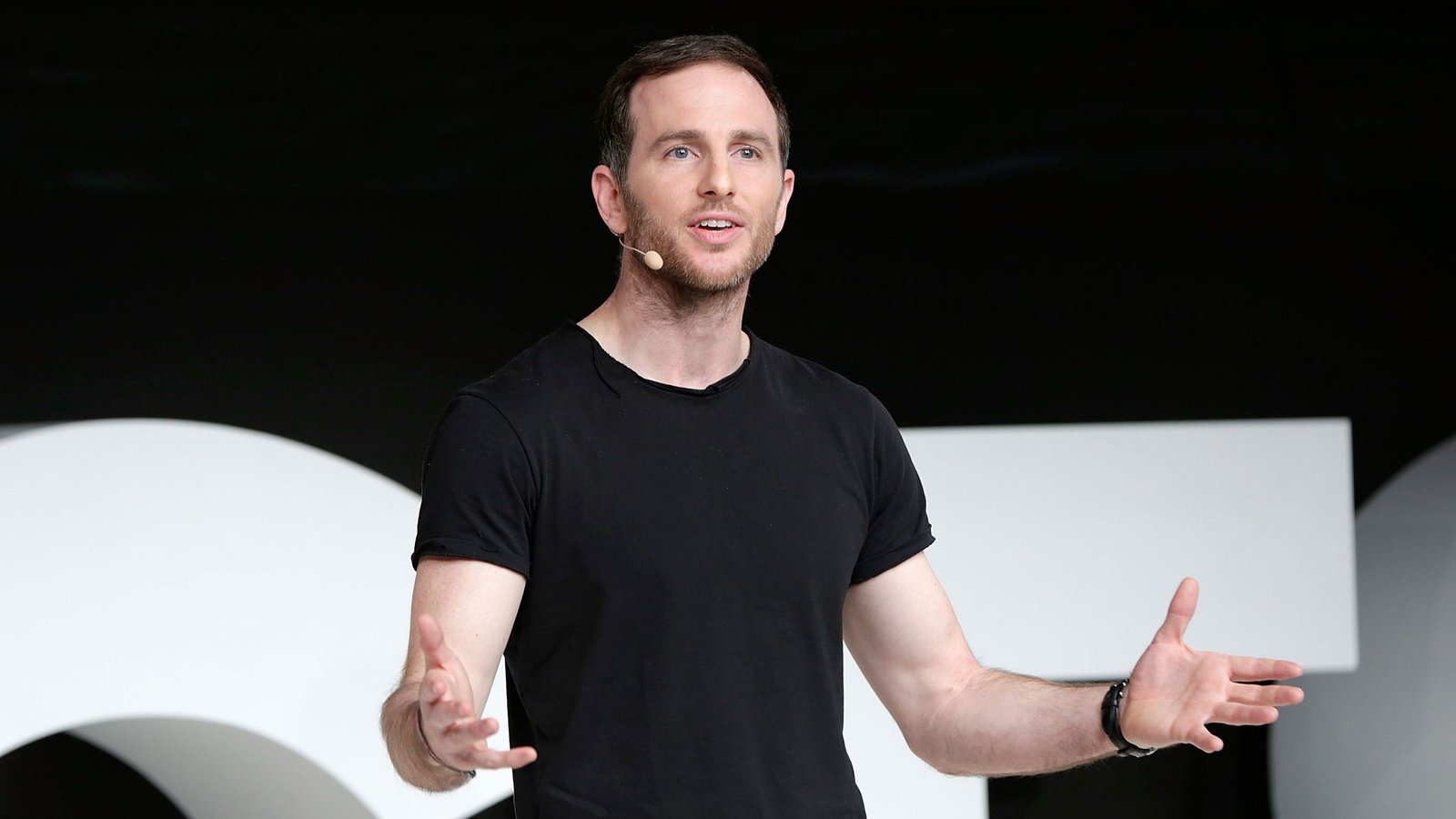
Tech mogul Elon Musk is laying the groundwork for the “America Party,” a high-stakes third-party venture designed to seize control of key Congressional seats following his public rift with President Donald Trump over the “One Big Beautiful Bill” (OBBB) reconciliation package. By leveraging his massive reach on X and targeting a strategic foothold in the House and Senate, Musk aims to weaponize voter dissatisfaction into a formidable political machine that bypasses traditional GOP and Democratic structures.
Targeting the Balance of Power: The Eight-Seat Strategy
Musk’s vision for the America Party focuses on surgical precision rather than a broad national sweep. The billionaire intends to target eight to 10 House seats and a select number of Senate races, creating a “kingmaker” presence in a narrowly divided Congress. While Musk has yet to file official Federal Election Commission (FEC) paperwork or initiate state-level petitioning, the proposal marks the most well-funded attempt to launch a third party in modern history.
The initiative stems from Musk’s escalating frustration with the current administration. Despite his initial support for Trump, the exclusion of key tech priorities—such as a 10-year ban on state-level AI regulation—from the OBBB has soured the relationship. This legislative failure, combined with Senator Marsha Blackburn’s withdrawal of support for Silicon Valley-friendly provisions, has left the tech-right searching for a new political home.
The Crypto-Tech Coalition: A New Political Base
The America Party seeks to consolidate a “jaded” donor class, specifically within the cryptocurrency and Silicon Valley sectors. Industry insiders suggest that crypto donors, who poured hundreds of millions into the 2024 cycle on Trump’s behalf, feel empty-handed after the recent legislative session. “Elon is famously very pro-crypto,” an independent strategist noted, suggesting that Musk will likely hammer these lanes to build a coalition of the “tech-right” and centrists who feel abandoned by both major parties.
Despite a CNN poll showing that 76 percent of independents believe neither party possesses strong leadership, the challenge remains the “attention economy.” Musk’s strategy relies on “hatertainment” and “angertainment” to keep voters engaged in a midterm environment where partisan turnout usually dominates. The goal is to transform passive dissatisfaction into a grassroots phenomenon, though critics argue that the centrist audience Musk is targeting is the most likely to tune out the news entirely.
Recruiting the Discontented: Potential Party Faces
Speculation is mounting regarding which sitting lawmakers might defect to Musk’s banner. Names surfacing in political circles include US Representative Thomas Massie (R-KY), who earned Musk’s praise for opposing the OBBB, and Senator Lisa Murkowski (R-AK), a centrist who has already navigated the challenges of open primaries. Other potential candidates include Senator John Fetterman (D-PA) and former Michigan representatives Peter Meijer and Justin Amash, the latter of whom previously left the GOP to join the Libertarian Party.
Andrew Yang, founder of the Forward Party, confirmed he has been in contact with Musk regarding the venture. Yang suggested that “multiple members of Congress” could be enlisted, citing widespread discontent within existing officeholders. While Yang’s own attempts at third-party disruption have seen limited success, his willingness to collaborate with polarizing figures like Musk highlights the fluid nature of this emerging “anti-establishment” alliance.
The Trademark Trap and Historical Hurdles
Musk’s path to political legitimacy faces immediate administrative and historical obstacles. In a move that underscores Musk’s “Johnny-come-lately” approach, a Nevada inventor named Thomas Kuracina successfully filed for the “America Party” trademark on July 5—the same day Musk announced the idea on X. Kuracina, who supports Mark Cuban over Musk as the project’s face, claims he reserved the name to ensure a “seat at the table” and prevent billionaire overreach.
Furthermore, US history is littered with failed third-party movements. Even Ross Perot’s Reform Party, which captured nearly 19 percent of the popular vote in 1992 and gained ballot access in all 50 states, failed to secure a single seat in Congress. Democratic pollsters like Evan Roth Smith remain skeptical, suggesting that a Musk-led party would likely cannibalize Republican votes rather than threaten the Democratic base. “I hope Elon Musk mounts the most successful creation of a third party in political history,” Smith remarked, “and that it lasts exactly 18 months.”
Institutional Resistance and Reputational Risk
The establishment is already pushing back. Florida Governor Ron DeSantis warned that while Musk is an innovative entrepreneur, a third party could inadvertently hand victories to Democrats by splitting the conservative vote. Within the professional consultant class, the “America Party” is viewed as a career risk. Political strategists warn that younger staffers and communication directors may avoid the venture to protect their long-term prospects within the two-party duopoly.
Ultimately, Musk’s role at Tesla may be the final arbiter of this political experiment. Shareholders and board members, wary of Musk’s distracting war with the GOP and Trump, could exert pressure to reel in his political ambitions. As one Democratic strategist put it, at some point, the stakeholders “will take the keys away from him” if his political maneuvers threaten the stability of his corporate empire.