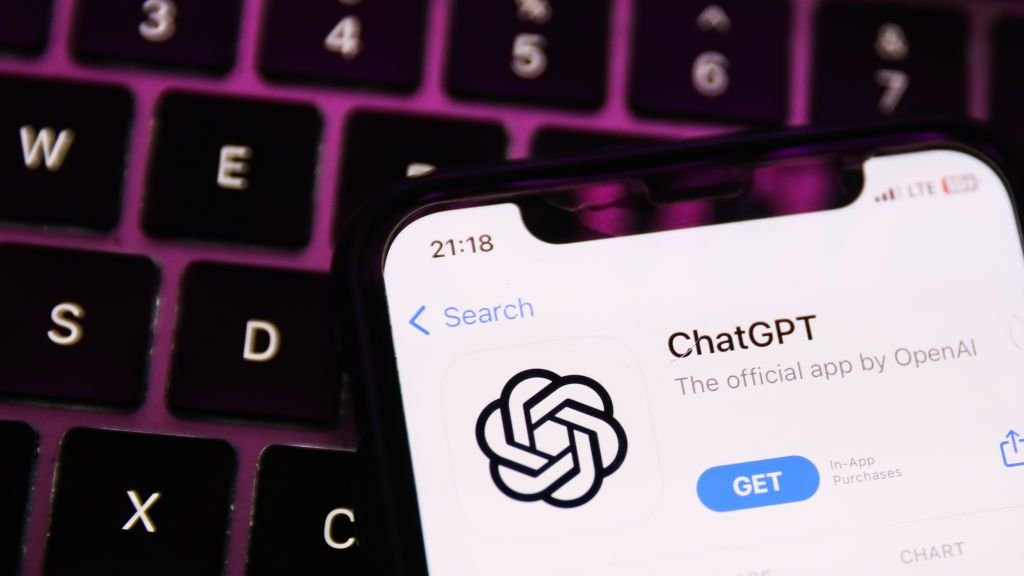
The General Services Administration (GSA) officially integrated OpenAI’s ChatGPT into the federal purchasing framework on Tuesday, marking a pivotal expansion of President Donald Trump’s AI Action Plan across the United States government. This strategic partnership, the result of months of high-level negotiations led by OpenAI CEO Sam Altman, grants federal agencies direct access to generative AI tools designed to modernize public service and accelerate domestic technological innovation.
A Strategic Alliance to Power the Federal Workforce
The collaboration fulfills a core pillar of the Trump administration’s strategy to maintain American leadership in artificial intelligence. By adding ChatGPT to the federal procurement list, the GSA enables civil servants to utilize advanced language models for operational efficiency. Sam Altman emphasized the importance of this deployment, stating that putting AI into the hands of those serving the country is a fundamental step in ensuring the technology benefits the entire population. This move aligns with the broader AI Action Plan, which prioritizes the rapid adoption of cutting-edge tech within the federal bureaucracy.
Months of Lobbying and High-Stakes Networking
The agreement follows an intensive period of corporate diplomacy. Since May, high-ranking OpenAI representatives have engaged in frequent consultations with the GSA and the Food and Drug Administration (FDA) to showcase the utility of their enterprise tools. This outreach extended to elite Washington circles; in July, OpenAI Chief Operating Officer Brad Lightcap and other executives were invited to exclusive events hosted by the Hill and Valley Forum. These gatherings brought together tech leaders and influential government figures, including associates from the Department of Government Efficiency (DOGE), to shape the future of federal AI policy.
Open-Weight Models and the Security Mandate
Coinciding with the GSA announcement, OpenAI released two open-weight models—the company’s first such move since 2019. These models are critical for government applications because they can be hosted locally and customized for specific agency needs. This architecture addresses the stringent data security requirements of federal departments, allowing for the processing of sensitive information without external exposure. To further assuage privacy concerns, OpenAI clarified that interactions between federal employees and ChatGPT will not be utilized to train future iterations of its public models.
DOGE’s Influence on Rapid AI Adoption
The Department of Government Efficiency, spearheaded by Elon Musk, has significantly accelerated the integration of AI within the executive branch. DOGE initiatives have already seen the launch of “GSAi,” a dedicated internal chatbot, and the deployment of AI operatives at the Department of Housing and Urban Development to overhaul and streamline agency regulations. This push for efficiency is reflected in the GSA’s decision to also include Anthropic’s Claude and Google’s Gemini on the federal purchasing list, fostering a competitive ecosystem of AI providers for the government.
Geopolitical Implications and the Stargate Project
The federal partnership is part of a larger synergy between OpenAI and the current administration. Earlier this year, President Trump and Sam Altman announced “Stargate,” a massive data center infrastructure project aimed at bolstering U.S. computing power. This domestic focus is mirrored in foreign policy, as Altman and other tech executives recently accompanied the President on a diplomatic mission to the Middle East to secure business deals that align with American interests abroad. With the Department of Defense’s proposed 2026 budget reaching $1.01 trillion, the financial and operational stakes for AI integration in the public sector have never been higher.