The Trump administration is launching a systemic offensive against the American nonprofit sector, mobilizing federal agencies and legislative allies to investigate, defund, and dismantle organizations perceived as the “radical left” infrastructure. Following the murder of Charlie Kirk, President Trump and high-ranking Republicans have accelerated plans to designate activist networks as terrorist entities and strip influential foundations of their tax-exempt status, forcing the $1.5 trillion NGO industry into an unprecedented survival mode.
The War on “Antifa” and the Soros Investigation
On September 17, President Trump utilized Truth Social to officially designate “Antifa” as a major terrorist organization, a move that signals a broader crackdown on progressive activism. This executive posture aligns with ongoing efforts by U.S. Representative Chip Roy (R-TX), who requested a select committee to probe the “money, influence, and power” driving what he describes as an assault on the rule of law.
Leaked reports from the Justice Department reveal that federal officials are already drafting investigative frameworks targeting the Open Society Foundations (OSF). Founded by billionaire George Soros—a frequent target of right-wing criticism—the OSF provides critical grants to global entities including the American Civil Liberties Union (ACLU) and Amnesty International. While the OSF dismissed these accusations as “politically motivated” and “disgraceful,” the administration’s rhetoric suggests a long-term strategy to criminalize the financial pipelines of civil society.
Nonprofits Shift to Survival Mode: Relocation and Rebranding
The threat of federal retaliation has forced nonprofit leaders to consider radical structural changes. Strategists like Brian Reich of Little M Media report that organizations are quietly meeting to discuss worst-case scenarios. To protect their assets and missions, some entities are exploring options that were once unthinkable in the philanthropic world:
- Emergency Fund Creation: Setting up rapid-response capital to sustain operations during legal freezes.
- Mergers and Consolidations: Combining forces to strengthen legal and financial defenses.
- International Relocation: Moving headquarters and bank accounts outside U.S. jurisdiction to safeguard funds.
- Conversion to LLCs: Surrendering 501(c)(3) status to operate as private businesses, which reduces transparency but offers greater political flexibility.
“We are going to have to think radically differently,” Reich warns, noting that the administration’s primary goal may not be winning in court, but rather destroying reputations and dictating the flow of capital.
The Battle for 501(c)(3) Integrity
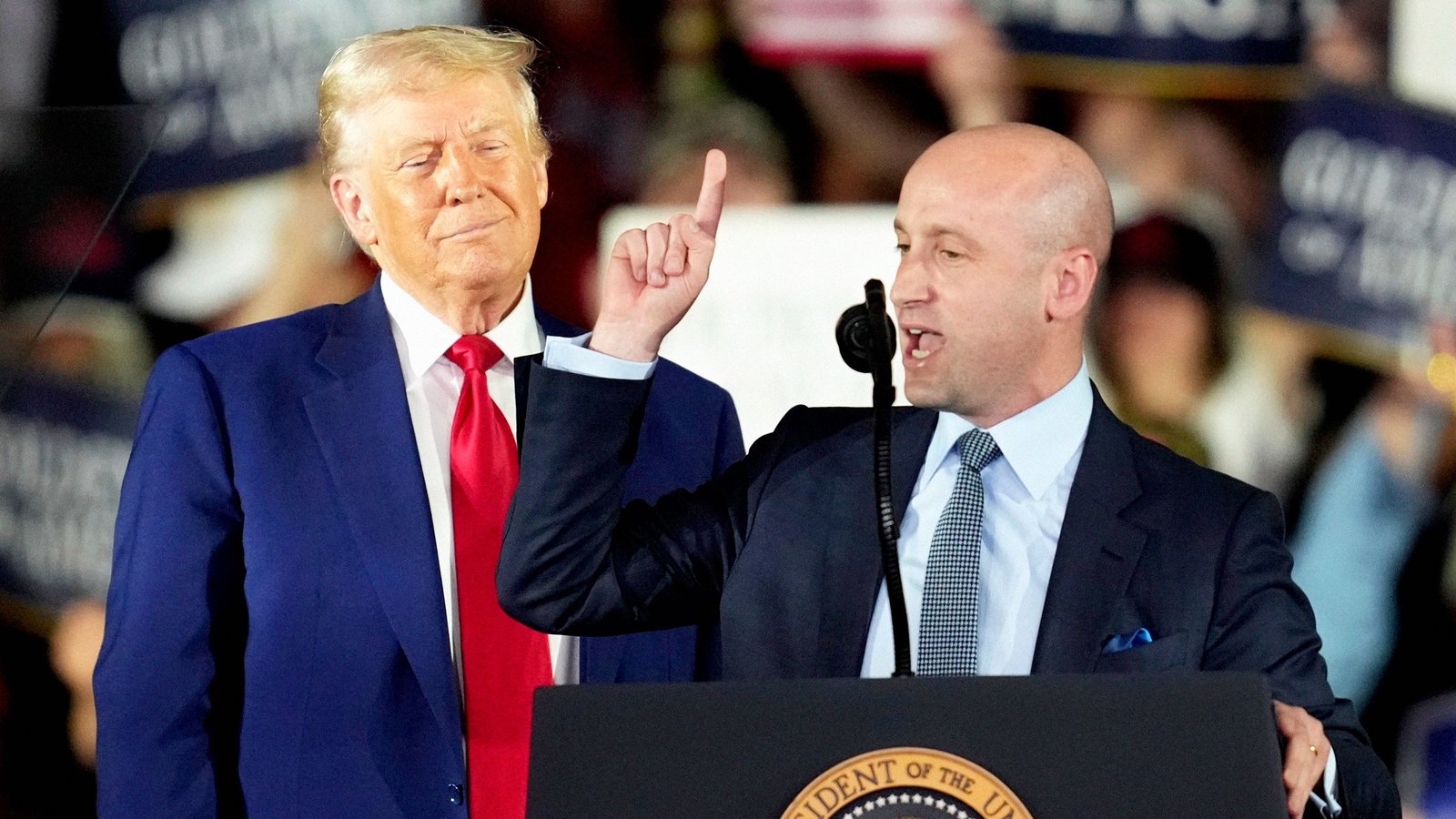
Under the IRS code, 501(c)(3) status grants organizations tax-deductible donation power in exchange for strict non-partisanship. However, the Trump administration argues that many NGOs act as partisan instruments. Benjamin Soskis, a scholar of philanthropy, notes that civil society often reflects the inverse of the current state power; conservative groups like Stephen Miller’s America First Legal and Charlie Kirk’s Turning Point USA flourished during Democratic presidencies using the same nonprofit protections now under fire.
Vice President-elect JD Vance and other administration allies have vowed to “go after the NGO network” that they claim facilitates violence. This sentiment is echoed by influential conservative voices like Andy Ngo and Elon Musk, who argue that philanthropic layers mask the funding of radical rioters. These allegations persist despite statements from the OSF condemning violence and affirming their commitment to constitutional freedoms.
Legislative Hammers: The Stop FUNDERs Act
Capitol Hill is reinforcing the administration’s executive pressure with targeted legislation. Senator Ted Cruz (R-TX) introduced the “Stop Financial Underwriting of Nefarious Demonstrations and Extremist Riots (Stop FUNDERs) Act,” which aims to strip nonprofit status from organizations linked to civil unrest.
“Domestic NGOs and foreign adversaries fund and use riots in the United States to undermine security,” Cruz stated, framing the move as a matter of national safety. This legislative push follows the “Unite in Advance” campaign, where philanthropic leaders attempted to preemptively defend the sector against what they saw as an inevitable ideological purge.
The Future of Civic Life Under Siege
The financial disparity between major corporations and nonprofits leaves the latter vulnerable. Unlike multi-million dollar firms that can lobby for favorable treatment, nonprofits lack the liquid assets to sustain years of federal litigation. John Palfrey, president of the MacArthur Foundation, confirms that foundations are now racing to disburse funds more quickly to ensure their grantees can survive a “difficult operating environment.”
The chilling effect is already visible. Ashleigh Subramanian-Montgomery of the Charity and Security Network reports that some organizations are preemptively scrubbing their websites of “high-risk” content. This self-censorship threatens the very existence of a robust civil society. As Reich concludes, the administration’s strategy could effectively “set the sector on fire,” necessitating a complete rebuilding of how American civic organizations function and interact with state power.