Apple has ignited a fierce digital rights debate by purging several ICE-monitoring applications from its App Store, prompting developers to launch high-stakes legal challenges against what they characterize as corporate censorship of protected speech. The crackdown, which targeted platforms designed to document and report Immigration and Customs Enforcement (ICE) activity, has raised fundamental questions about transparency, safety, and the power of Big Tech as a societal arbiter.
A Systematic Removal of Accountability Tools
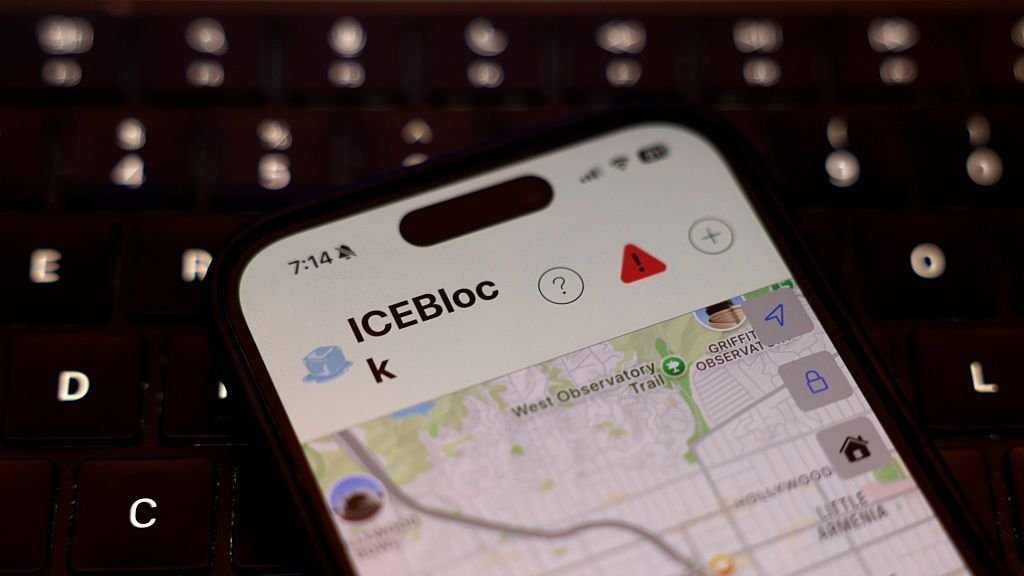
The wave of delistings began in early October when Apple removed ICEBlock, one of the most prominent tools used by activists and immigrant communities. This was quickly followed by the removal of other tracking applications, including Red Dot, DEICER, and Eyes Up. These platforms functioned as digital repositories, allowing users to upload videos and geotagged documentation of ICE encounters in real-time.
Despite the ban, developers remain defiant. Joshua Aaron, the creator of ICEBlock, confirmed that his team is preparing for a significant legal confrontation. “While I cannot speak to specifics right now, I can tell you that ICEBlock has an incredible legal team behind it and we are going to do everything in our power to fight this,” Aaron told reporters, emphasizing his commitment to reversing the App Store exclusion.
Policy Violations or Political Appeasement?
Apple’s justification for these removals rests on developer guidelines that prohibit “defamatory, discriminatory, or mean-spirited content” directed at “targeted groups.” Internal reports suggest that Apple—and Google, which has taken similar actions—now classifies law enforcement officers as a “vulnerable group” under these policies. This shift follows public pressure from political figures like former Florida Attorney General Pam Bondi, who argued that such tracking tools actively endanger ICE personnel.
However, critics argue that the move is more about political optics than platform safety. Riana Pfefferkorn, a policy researcher at Stanford University, described the removals as “needless kowtowing” by Apple CEO Tim Cook, citing his previous interactions with the Trump administration as a potential influence on the company’s restrictive stance.
The Waze Paradox: Selective Enforcement of Safety Rules
The ban highlights a glaring inconsistency in how tech giants handle law enforcement tracking. Both Apple and Google currently host and develop apps—most notably Waze and their respective native Maps applications—that allow users to crowdsource the locations of police officers on public roads. This discrepancy has led developers like Mark, the creator of Eyes Up, to label Apple’s actions as “pure cowardice.”
“I will appeal every single time they reject me until it’s back in the App Store,” Mark stated, noting that while the iOS version is blocked, the app remains available on the Google Play Store and via direct web access. “I’m not gonna let off the gas with Apple.”
Constitutional Implications and the First Amendment
Legal experts suggest that the documentation of ICE activities in public spaces constitutes protected speech under the U.S. Constitution. David Greene, Civil Liberties Director at the Electronic Frontier Foundation (EFF), argues that these apps are merely publishing truthful information about matters of significant public interest. “They’re publishing truthful information about matters of public interest that people obtained just by witnessing public events,” Greene noted.
The pressure on developers has not been limited to app store removals. The Trump administration previously threatened ICEBlock’s Aaron with prosecution. “We are looking at him,” Bondi stated during a televised appearance on Fox News. “And he better watch out.”
The Perils of Centralized Digital Control
The situation underscores the inherent risks of the “walled garden” ecosystem. While Android users retain the ability to “sideload” applications from third-party sources, iPhone users are entirely dependent on Apple’s centralized approval process. This makes Apple the “single point of failure” for digital transparency tools.
Security researcher Will Strafach points out that as Apple integrated features that once required “jailbreaking,” the community’s drive to bypass Apple’s restrictions has dwindled. This leaves developers with few alternatives when their content is deemed undesirable by the platform holder. As Pfefferkorn concludes, it is a disappointing turn for a company that once marketed itself through the “Think Different” campaign, invoking civil rights icons who likely would have championed the very transparency these apps seek to provide.