A new mobile simulation titled H1B.Life, developed by an international team of immigrants led by creator Yang, is set to launch this summer to expose the high-stakes volatility of the United States’ work visa system through interactive storytelling. By blending visual novel mechanics with randomized “world events,” the game aims to bridge the profound knowledge gap between native-born Americans and the foreign professionals navigating an increasingly hostile immigration landscape.
Gamifying the High-Stakes Reality of Immigration
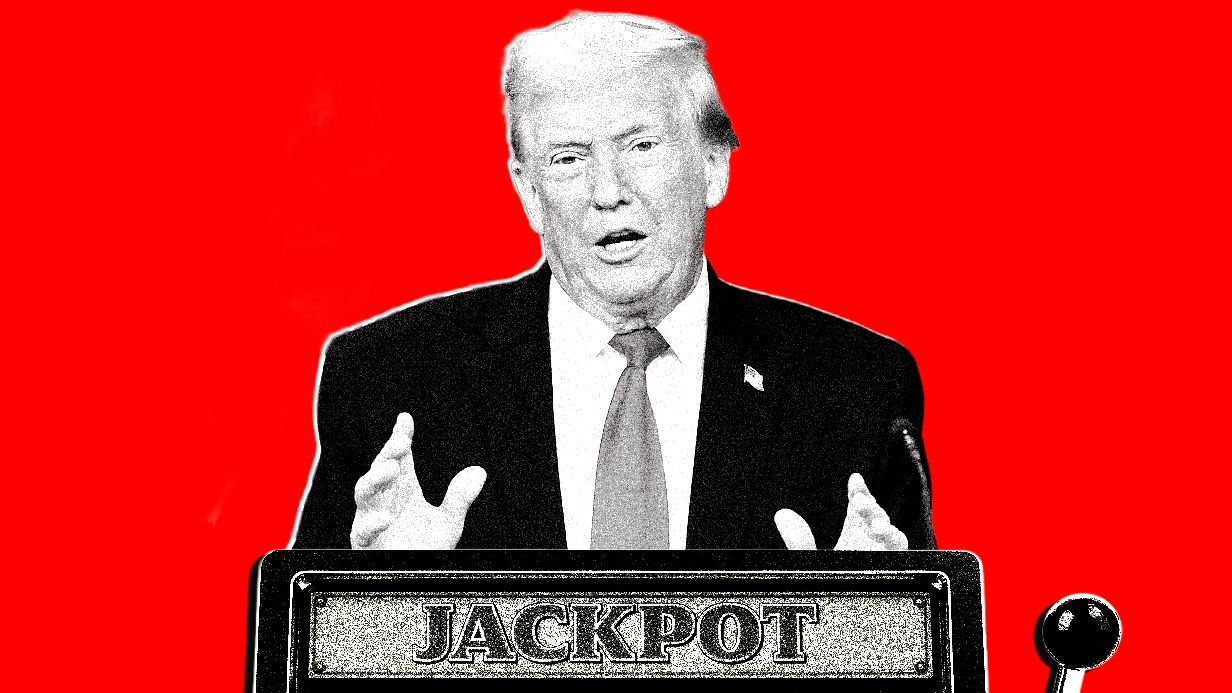
The core experience of H1B.Life follows a protagonist who, after completing studies in the U.S., must navigate the treacherous transition from a student visa to an H-1B work permit. Players manage critical variables, including financial stability, social networks, and personal resourcefulness. However, the game intentionally strips away total player agency to reflect reality. A central slot machine mechanic introduces random global disruptions—ranging from economic downturns to shifts in national security—that can instantly derail a character’s career and legal status.
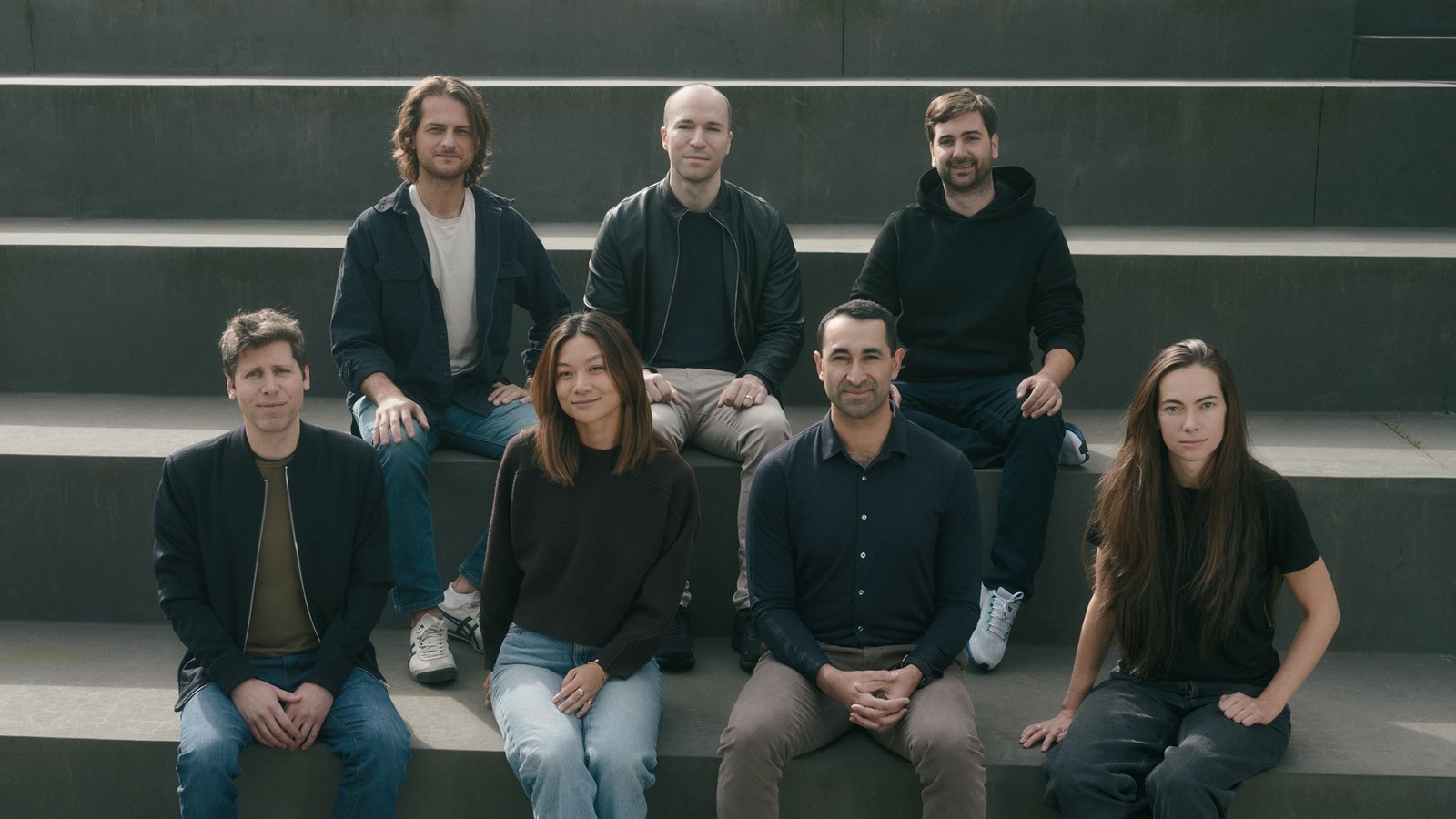
The development team, primarily composed of Chinese nationals along with contributors from countries like Colombia, brings firsthand experience to the project. Narrative designer Andrea Saravia Pérez emphasizes that the game serves as a tool for empathy, transforming the “foreign language” of immigration jargon into a tangible, lived experience for those who have never faced the threat of deportation.
Bridging the Gap Between Policy and Emotion
Despite being a niche educational project, H1B.Life garnered significant attention at the recent Game Developers Conference (GDC) in San Francisco. The project’s relevance is underscored by a global political shift toward more restrictive borders, a trend Yang notes is making life progressively difficult for migrants in Western nations. Supported by philanthropic funding and a planned Kickstarter campaign, the developers prioritize social impact over profit, aiming to humanize the statistical “meat grinder” of the H-1B lottery.
The Statistical Collapse of the American Dream
The H-1B program, established in 1990, remains the primary pathway for skilled white-collar professionals to remain in the U.S. However, the odds have shifted dramatically. While the government issues approximately 85,000 visas annually, the surge in applicants has caused the probability of selection to plummet from roughly 80% in previous years to a staggering 25% in 2024.
To ensure authenticity, the developers conducted extensive interviews with over two dozen immigrants. These testimonials highlight the psychological toll of the system, such as the “couch dilemma”—a recurring narrative where immigrants refuse to purchase furniture or invest in their homes because they live in constant fear of being forced to leave the country on short notice. This “loss of control” is the central theme the game seeks to replicate.
From “Crispy Buddhas” to Digital Superstitions
To balance the heavy subject matter, H1B.Life incorporates elements of “immigrant folklore” and urban legends. The game’s slot machine features the “Crispy Buddha,” a character inspired by a real-world superstition among Chinese applicants who believe that eating at Chick-fil-A can improve their lottery odds. This myth originated from online forums where successful applicants coincidentally received their approval notices while eating at the fast-food chain.
By integrating these cultural nuances, the game captures the surreal intersection of professional ambition and spiritual desperation. As the U.S. immigration system remains a black box to many, H1B.Life utilizes the interactive medium to demonstrate that for millions, the “American Dream” is less a meritocracy and more a high-stakes gamble dictated by luck and shifting political winds.