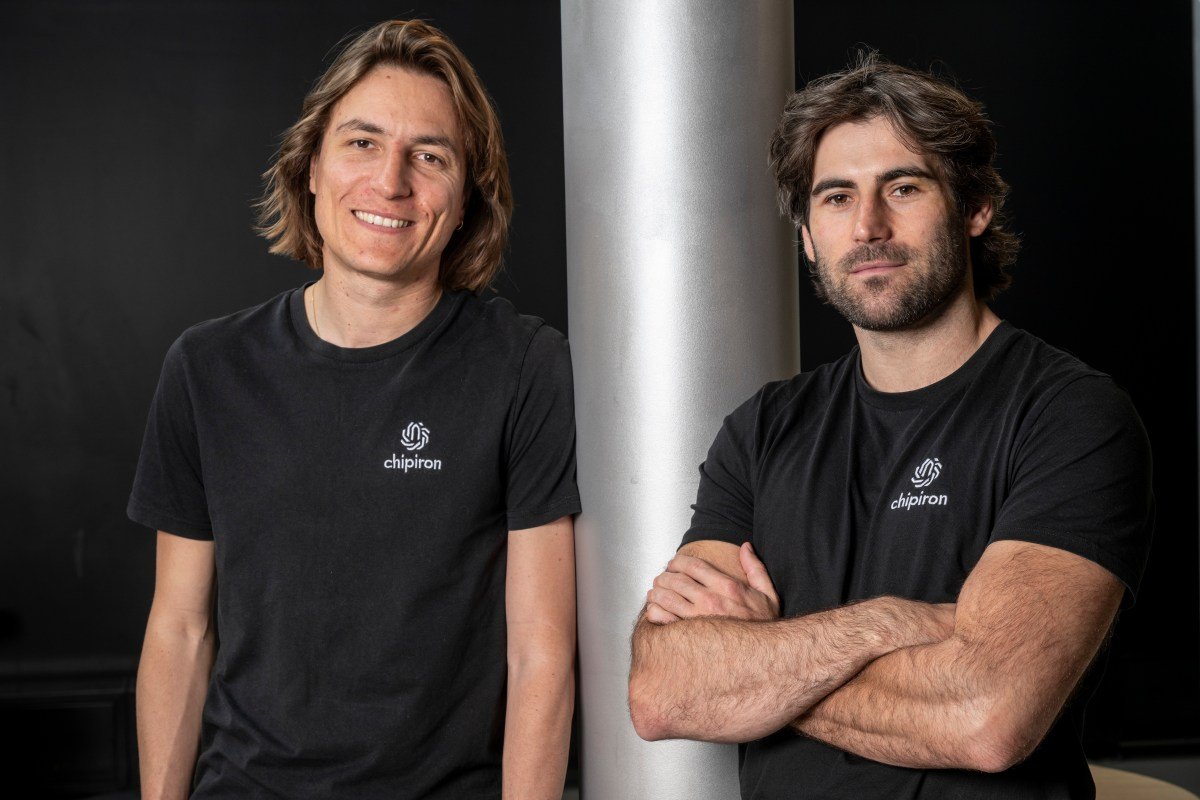
Paris-based startup Chipiron is dismantling the hospital monopoly on medical imaging by developing low-cost, portable MRI technology as diagnostic funding surges to levels not seen since 2021. CEO Evan Kervella is spearheading a vision to decentralize this critical hardware, effectively bypassing the multi-million dollar price tags and infrastructure requirements that currently restrict life-saving diagnostics to major medical centers.
The Economic Barrier to Global Diagnostic Imaging
Despite rapid innovation in the medical sector, Magnetic Resonance Imaging (MRI) remains a technology gatekept by extreme financial and logistical hurdles. Traditional MRI machines require multi-million dollar capital investments and specialized, shielded environments within large hospitals. This centralization creates a significant bottleneck in patient care, forcing individuals to navigate long wait times and travel to major urban hubs for essential screenings.
The investment landscape is shifting to address these inefficiencies. Venture capital is currently flooding the diagnostics and imaging space, with billions of dollars being deployed to modernize medical hardware. This influx of capital highlights a growing industry consensus: the current model of hospital-bound, high-cost imaging is unsustainable and ripe for disruption.
Chipiron’s Vision: Democratizing Medical Hardware
Evan Kervella, founder and CEO of Chipiron, recently outlined how the company is rethinking the fundamental engineering of MRI technology. The startup’s primary goal involves stripping away the complexity that makes these machines “hospital-bound.” By focusing on a more flexible and cost-effective design, Chipiron aims to make MRI technology available “anywhere,” from local clinics to remote medical outposts.
This approach does not merely aim to lower costs; it seeks to redefine the patient journey. By making high-resolution imaging portable, healthcare providers can perform screenings at the point of care, significantly accelerating the diagnostic process. Kervella’s vision represents a shift toward a more proactive healthcare system where advanced technology serves as a standard tool rather than a rare luxury.