
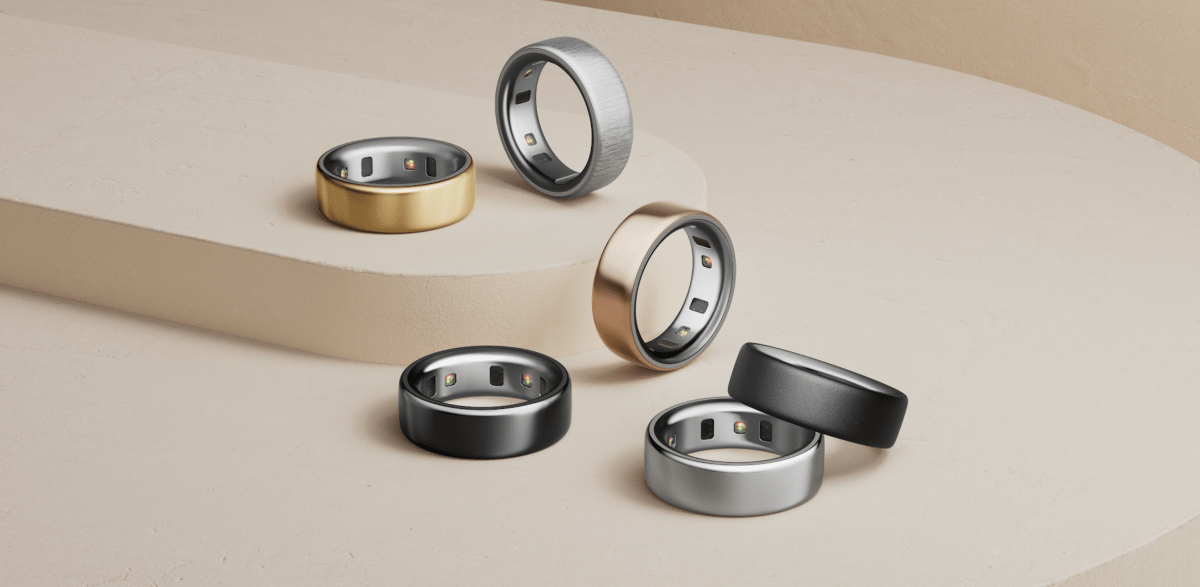
Oura has officially launched the Ring 4 in the Indian market, coinciding with the release of a comprehensive sleep study that exposes a significant restorative rest deficit among local users. Data collected between October 2024 and September 2025 reveals that Indian consumers average only six hours and 28 minutes of sleep per night, a figure that falls critically below international health recommendations and global averages for restorative sleep stages.
The Data Behind India’s Sleep Quality Gap
The company’s internal analysis highlights a growing health concern: users in India are not only sleeping less but are also failing to reach the deep, restorative stages of sleep necessary for long-term recovery. This metrics-driven insight serves as a strategic foundation for Oura’s expansion, positioning the Ring 4 as a critical tool for a population increasingly burdened by poor sleep hygiene and high-stress lifestyles.
Strategic Hurdles in a Price-Sensitive Landscape
Despite the rising consumer interest in health and wellness across the subcontinent, Oura faces a complex adoption curve. The primary challenge lies in the intersection of India’s price-sensitive consumer base and Oura’s premium, subscription-based business model. Converting general wellness awareness into a consistent demand for high-end wearables remains the central obstacle for the brand’s long-term sustainability in the region.
Market Scalability and Competitive Evolution
Industry insights suggest that the success of the smart ring category in India depends on market diversification. According to analyst Sharma, scalability will require more brands to enter the space, forcing a wider variety of pricing tiers and product positioning. For Oura, the path to dominance involves navigating these economic pressures while maintaining its status as a high-performance health authority in an increasingly crowded tech ecosystem.