Internet culture is bracing for a radical transformation as TikTok creators and digital historians prepare for the “Great Meme Reset” on January 1, 2026, a movement aimed at purging nonsensical “brain rot” in favor of the substantive, human-centric content that defined the early 2010s. This digital reformation seeks to end the current era of absurdist, AI-generated “slop” that many argue has stripped the internet of its creative soul.
The Death of Dankness and the Rise of AI Slop
The movement finds its roots in a March 2024 TikTok post by user @joebro909, who signaled a desperate need for a new generation of memes to rescue platforms from a perceived creative drought. Since then, the concept has evolved into a full-scale campaign to reclaim the internet’s “dank” era. Critics of current trends argue that Gen Z and Gen Alpha culture has become oversaturated with meaningless, incoherent content—often referred to as “brain rot”—which lacks the narrative depth of previous digital milestones.
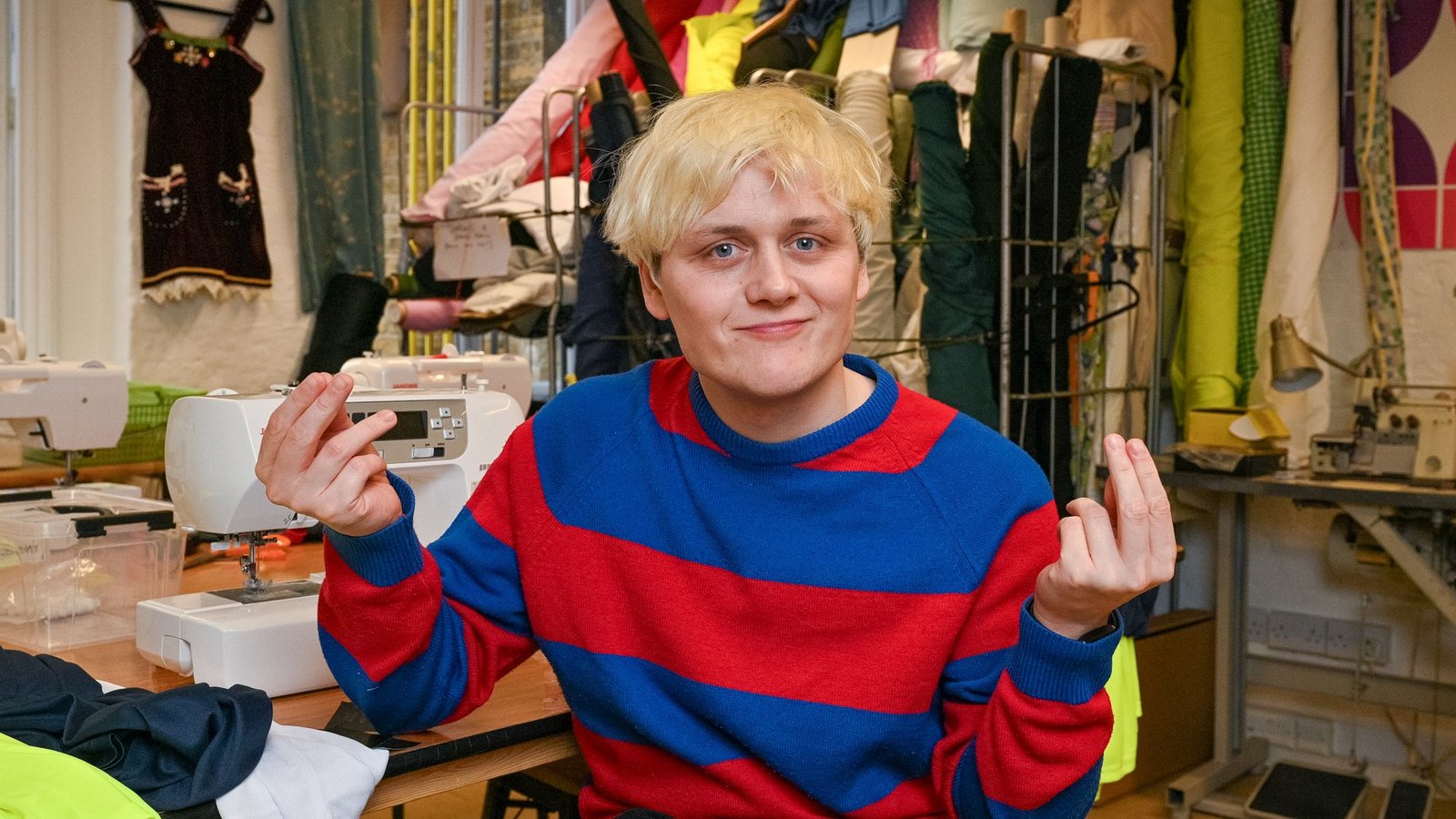
Noah Glenn Carter (@noahglenncarter), a prominent TikTok creator, has become a leading voice for the 2026 reboot. “The memes we have now are called ‘brain rot’ for a reason,” Carter stated, noting that memes from a decade ago typically possessed a backstory or a logical foundation. In contrast, today’s viral hits often prioritize randomness and AI-generated absurdity over human relatability.
January 1, 2026: A Digital Reformation
The proposed reset is not merely a nostalgia trip; it is a rejection of low-effort content. Don Caldwell, editor-in-chief of Know Your Meme, observes a growing hunger for substance within the “Great Reset” community. While early icons like Nyan Cat may seem trivial, they functioned as organic cultural touchstones in a way that modern, AI-fueled “slop” fails to replicate. The call for a reset represents a demand for an organic internet culture where human intent outweighs algorithmic randomness.
Jack Dorsey’s diVine and the Anti-AI Movement
This shift toward human-centric media is gaining institutional support. Twitter co-founder Jack Dorsey recently backed the launch of diVine, a revival of the influential video-sharing app Vine, which ceased operations in 2016. Currently in beta, diVine aims to reanimate 100,000 classic clips while enforcing a strict “no-AI” policy for new uploads. Evan Henshaw-Plath, an early Twitter staffer developing the project, emphasizes that the goal is to return to a time when social media provided users with more control and guaranteed that content was recorded by real people.
Irony or Earnestness? The Psychology of Digital Nostalgia
The acceleration of online fads has led to a unique phenomenon where “chronically online” youth long for the aesthetics of a decade they barely remember. However, experts question the feasibility of a literal reset. Ryan Milner, a professor of communication at the College of Charleston, suggests that the “Great Meme Reset” might itself be an ironic meme—a performance of longing rather than a practical roadmap.
While skeptics argue that reversing the momentum of the internet is impossible, the event on January 1, 2026, remains a significant cultural marker. Whether it triggers a genuine shift in content production or ends as a “short-lived communal experiment,” the movement highlights a profound dissatisfaction with the current state of digital creativity. As Caldwell notes, the date will likely go down in meme history as a pivotal attempt to redefine the boundaries of internet humor.