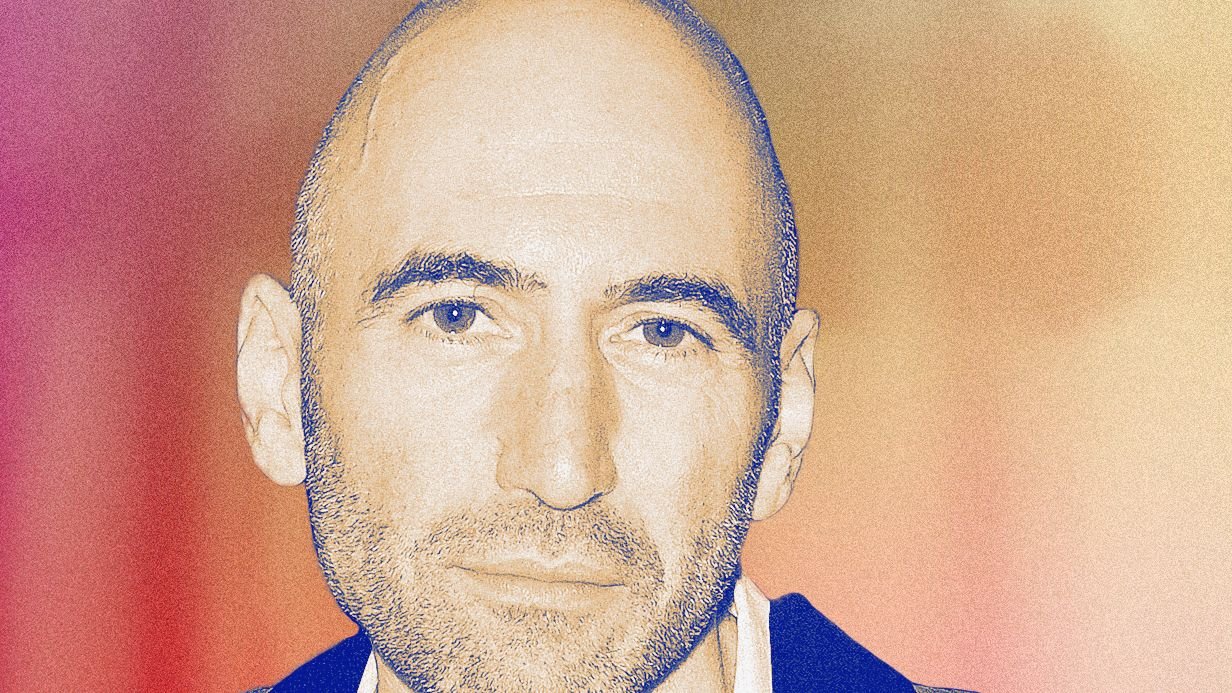
Utah State Senator Calvin Musselman has introduced a legislative proposal to levy a 7% tax on all revenue generated from adult content within the state, a move that legal experts warn violates fundamental First Amendment protections. The bill targets memberships, subscriptions, and performances deemed “harmful to minors,” requiring adult platforms to pay an additional $500 annual fee to the State Tax Commission. If ratified, the measure would take effect in May, with proceeds earmarked for the Utah Department of Health and Human Services to bolster mental health resources for adolescents.
A Growing National Trend in Conservative Legislation
Utah is not alone in its pursuit of targeted levies on the adult industry. Alabama recently became the first state to implement a 10% porn tax following the enactment of strict age-verification mandates. Similarly, Pennsylvania lawmakers are currently weighing a bill that would impose a 10% surcharge on adult platform subscriptions, even though consumers already pay a 6% digital product tax. This legislative wave reflects a broader strategy; to date, 25 U.S. states have passed some form of age-verification requirement for sexually explicit material.
Historical attempts to tax adult content have often aligned with specific political agendas. In 2019, Arizona Republicans proposed a similar tax to fund a border wall. While these initiatives vary in their stated goals, they share a common foundation: the classification of pornography as a public health crisis, a resolution already adopted by 16 states, including Utah, Alabama, and Pennsylvania.
The Constitutional Clash: Free Speech Under Fire
Legal scholars argue that these targeted taxes rest on shaky constitutional ground. Evelyn Douek, an associate professor of law at Stanford Law School, characterizes the porn tax as “blatantly unconstitutional.” According to Douek, the First Amendment specifically prohibits legislatures from singling out protected speech for financial punishment simply because they find the content distasteful. While the Supreme Court has allowed states to regulate minor access to adult material, it has consistently upheld the right of adults to access such content.
Utah’s history with this issue is extensive. In 2001, the state established an “obscenity and pornography complaints ombudsman”—often referred to as a “porn czar”—a position that existed until 2017. Despite this long-standing opposition, critics maintain that taxing speech creates a dangerous precedent where the government can financially gatekeep rights based on content preference.
The “Backdoor Ban” and Data Privacy Concerns
Industry leaders and civil liberties advocates suggest that these laws are less about child safety and more about total digital prohibition. A 2024 leaked video featured Russell Vought, a key figure in Project 2025, describing age-verification laws as a “backdoor” tactic to achieve a federal ban on pornography. This sentiment is echoed by the Free Speech Coalition, which argues that taxing speech limits constitutional rights to those who can afford them.
Platforms like Pornhub have responded by blocking access in states with aggressive mandates, including Utah and Alabama. Alex Kekesi, vice president of brand and community at Pornhub, advocates for device-based verification through operating systems like iOS and Android rather than platform-level requirements, which he claims fail to protect children while compromising adult data privacy.
The Impact on Content Creators and Digital Rights
As states implement these tariffs, the financial burden often shifts to independent creators. While major platforms like OnlyFans maintain policies to comply with local tax jurisdictions, individual entertainers are left to navigate the shifting legal landscape. Mike Stabile, director of public policy at the Free Speech Coalition, warns that this sets a perilous precedent. “What if a state decided to tax a certain newspaper it didn’t like?” Stabile asks, noting that content-specific taxes have a history of being struck down by courts as forms of unconstitutional censorship.
Despite the legislative push, the effectiveness of these measures remains a point of contention. A 2022 report by Common Sense Media found that 73% of teenagers aged 13 to 17 have already accessed adult content online, often through social media platforms like X and Snapchat, which frequently bypass the traditional age gates targeted by state lawmakers.