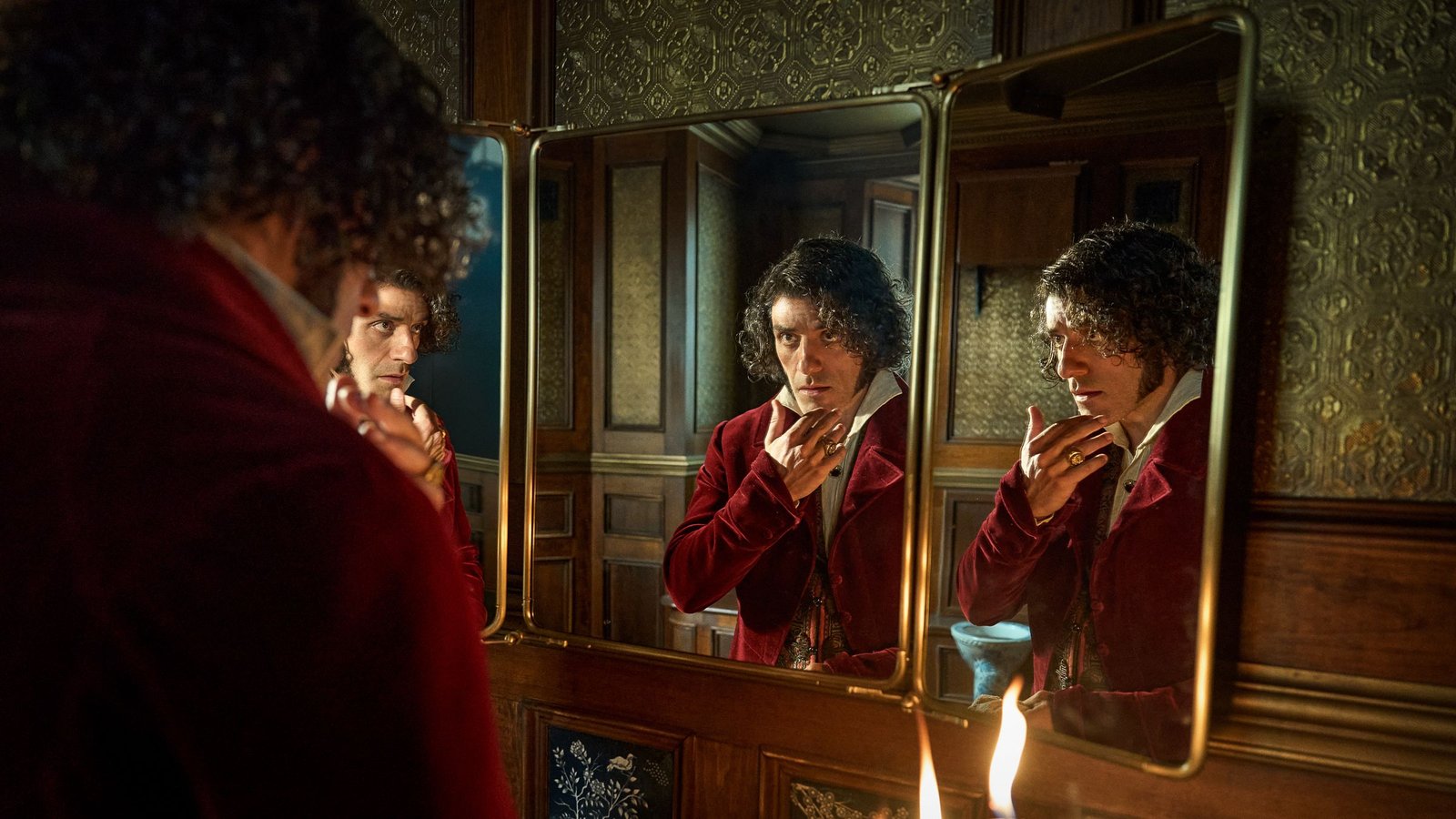
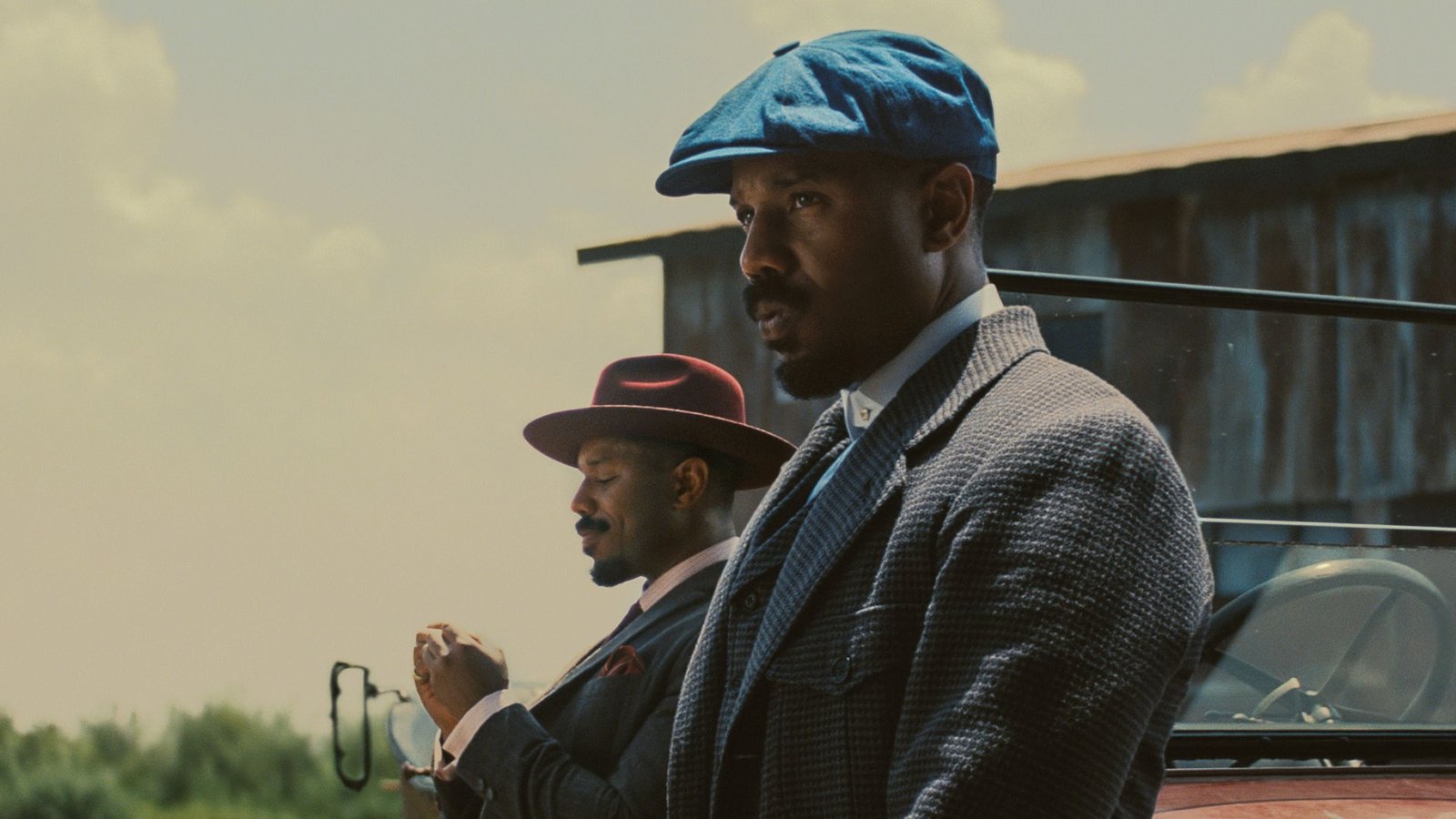
High-performing cultural phenomena like Sinners and KPop Demon Hunters are shattering the narrative that diversity alienates audiences, proving that inclusive art remains a powerhouse at the global box office despite a systemic corporate retreat from DEI initiatives. While political rhetoric and executive shifts suggest a pivot toward traditionalist content, the hard data reveals a starkly different reality: audiences are voting for representation with their wallets.
Blockbuster Proof: When Representation Drives Revenue
The past year saw a wave of diverse projects transition from niche interests to bona fide cultural milestones. Ryan Coogler’s Sinners, a horror epic set in the Jim Crow South, utilized supernatural metaphors to dissect systemic racism, securing a historic deal with Warner Bros. that grants Coogler ownership of the film rights in 25 years. Similarly, KPop Demon Hunters, helmed by a Korean-Canadian director, successfully bridged subcultural authenticity with mainstream appeal.
The success extended to the small screen and independent sectors. HBO’s Heated Rivalry subverted sports tropes by centering on a poignant romance between professional hockey players, while One Battle After Another challenged political norms by exploring complex themes of motherhood and activism. These works thrived not through political signaling, but through compelling, high-stakes storytelling that resonated across demographic lines.
The Ideological Tug-of-War in Modern Media
This surge in diverse hits coincides with a massive retrenchment in corporate Hollywood. Giants such as Warner Bros. Discovery, Amazon, Paramount Global, and Disney have reportedly scaled back diversity efforts following a series of federal executive orders targeting DEI programs. The acquisition of Paramount by David Ellison’s Skydance further signaled a conservative shift, exemplified by the brief removal of Jimmy Kimmel and a perceived “makeover” of CBS News to align with traditionalist values.
“There is a feeling from this administration that the only stories that matter are stories of straight white men, and that is just simply not the case,” explains Jenni Werner, executive artistic director of the New Harmony Project. Werner argues that audiences crave transformation and new perspectives, maintaining faith that artists will continue to push boundaries despite increasing industry friction.
Hard Data: Diversity as a Growth Engine
The numbers support Werner’s stance. According to the UCLA Hollywood Diversity Report, nearly 80 percent of theatrical directors and 75 percent of lead actors in 2024 were white—a discrepancy that researchers claim leaves significant money on the table. The report highlights that BIPOC moviegoers are consistently overrepresented as ticket buyers for films featuring diverse casts. Sinners alone grossed $368 million, cementing its place in the “horror hall of fame.”
Beyond the box office, diversity drives digital engagement. Michael Tran, a sociologist and coauthor of the UCLA report, notes that shows featuring underrepresented narratives—such as women-centered stories—generate more than five times the social media interaction compared to their less diverse counterparts. In an era where “buzz” is a primary currency, excluding diverse voices appears to be a losing strategy for engagement.
The Bottom Line: Market Success Ends the Debate
As media conglomerates continue to consolidate, the industry faces a choice between ideological shifts and market demands. Jon Chu, director of Wicked, recently addressed these concerns after signing a major deal with Paramount Skydance. Despite the corporate crackdown on DEI, Chu remains confident that commercial performance is the ultimate equalizer.
“The thing about the box office is that reviewers can say whatever they want, business affairs can say whatever they want,” Chu stated. “But when you put it in a movie theater, if it makes money, if it creates a cultural phenomenon, it becomes a fact. Then there’s nothing you can say about it. There’s no more argument.”