Texas school districts are confronting a surge of AI-generated “slander pages” where students deploy deepfake technology and extremist imagery to harass faculty members for social media engagement. These digital campaigns, primarily appearing on TikTok and Instagram, represent a high-stakes mutation of traditional school pranks, utilizing sophisticated tools to damage the professional reputations of educators.
The Evolution of the High School Prank
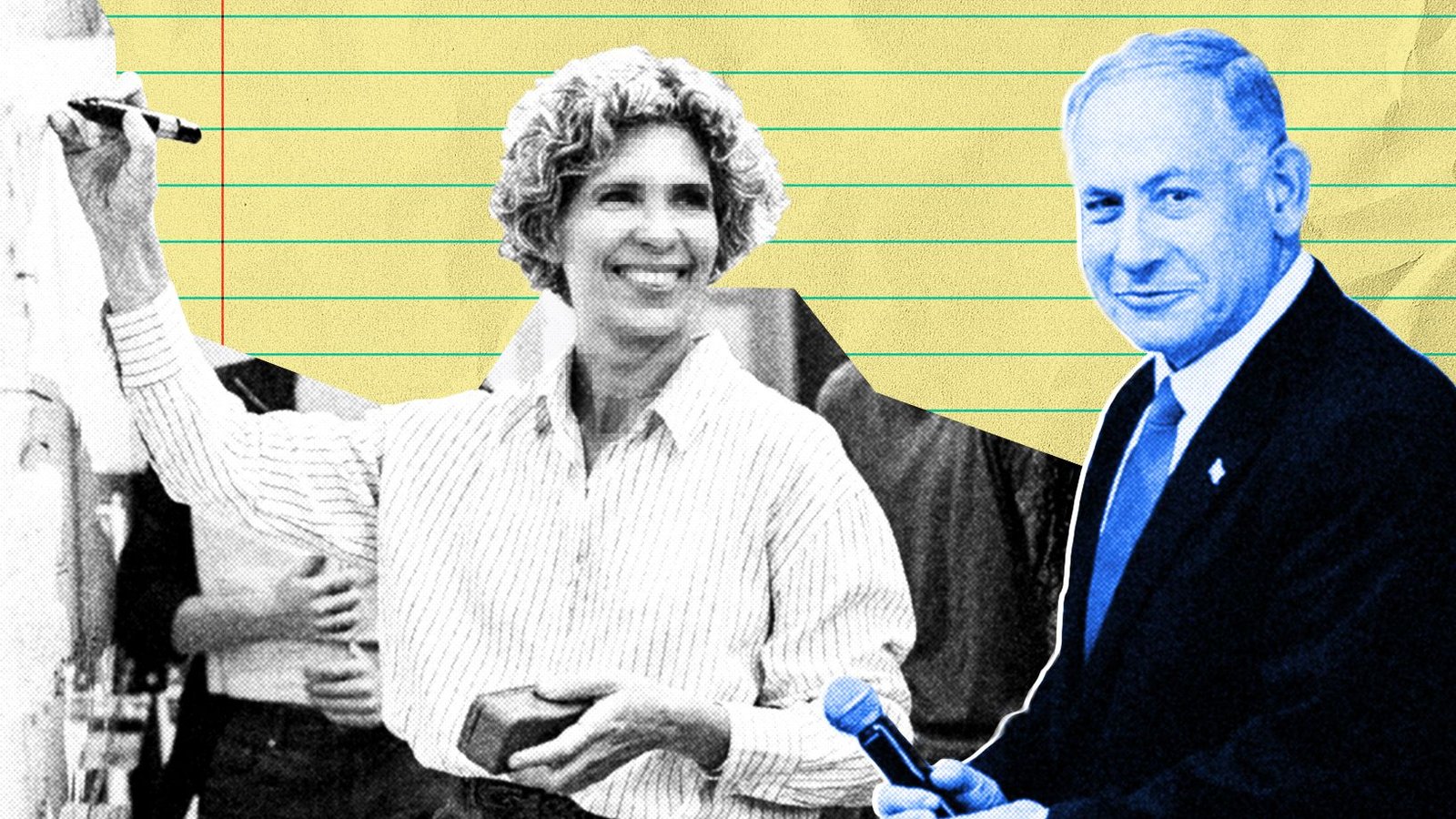
The trend gained significant traction through accounts like @thewyliefiles, which targeted the Wylie Independent School District in Collin County, Texas. One viral video featured AI-generated versions of Israeli Prime Minister Benjamin Netanyahu and deceased sex offender Jeffrey Epstein in a lip-sync performance. The content, which garnered over 107,000 likes, utilized captions mimicking large language models to describe the district’s academic and extracurricular offerings while simultaneously mocking its leadership.
In Crandall, Texas, the situation escalated when a TikTok account titled @crandall.kirkinator “broke containment,” reaching a global audience far beyond the local student body. This exposure led to outside influencers with hundreds of thousands of followers amplifying the harassment against Crandall High School staff. Although the account eventually posted a voluntary apology citing the unintended harassment of teachers through spam calls and emails, the damage to the school environment remained significant before the page was permanently deleted.
Viggle AI and the New Frontier of Deepfakes
Central to this trend is Viggle AI, an image-to-video tool that allows users to insert any person into a reference video or animate static images into lip-sync formats. While the platform boasts over 40 million users, the Global Network on Extremism and Technology at King’s College London recently identified it as a “new frontier” for the creation of spontaneous extremist propaganda. Students have used this software to superimpose teachers’ faces onto disturbing videos, including one instance where a teacher was falsely depicted experiencing a drug-induced seizure.
Extremist Imagery and Manosphere Terminology
These slander pages frequently incorporate “looksmaxxing” lingo and extremist symbols sourced from the darker corners of the internet. Terms like “mogging” (dominating others through physical appearance) and “sub5” (a derogatory term for perceived ugliness) are common. More concerning is the use of occult neo-Nazi symbols, such as the fictional realm of “Agartha.” In these edits, teachers are visually categorized—using glowing white or red eyes—to signify their inclusion or exclusion from this white supremacist mythos.
The anonymous administrator of @thewyliefiles, a male student at Wylie High School, defended the content as “satirical slander.” However, the posts often cross into severe defamation, labeling educators as “predators” or “cucks” and using AI to generate false images of teachers in compromising or criminal scenarios. The student admitted that using controversial figures like Epstein or Netanyahu is a deliberate strategy to manipulate social media algorithms for maximum reach.
Administrative Crackdown and Legal Risks
School districts are beginning to fight back. April Cunningham, Chief Communications Officer for Wylie ISD, confirmed that the district is actively monitoring these accounts. “This should never come at the expense of our educators’ reputations,” Cunningham stated, warning that identified students will face disciplinary action and potential legal consequences. Despite the severity of the allegations in the videos, the district noted that no formal reports have been filed through official anonymous tip lines, suggesting the claims are entirely fabricated for social media clout.
Tech giants Meta and TikTok have also intervened. Tracy Clayton, a spokesperson for Meta, emphasized that the company prohibits bullying, harassment, and hateful conduct, confirming the removal of several slander pages. TikTok similarly stated it has implemented automated rules to catch and remove content that violates its community guidelines regarding harassment.
The Privacy Gap: Content Over Identity
Researchers suggest this trend reflects a profound technological and psychological disconnect among digital natives. İdil Galip, a meme researcher at the University of Amsterdam, notes that younger generations have been socialized into a “constant churn of content” where personal identity is viewed as public property for entertainment. Geert Lovink, director of the Institute of Network Cultures, describes this as a “deep technological disconnect” between what students perceive as harmless fun and the lasting real-world ramifications of digital defamation.