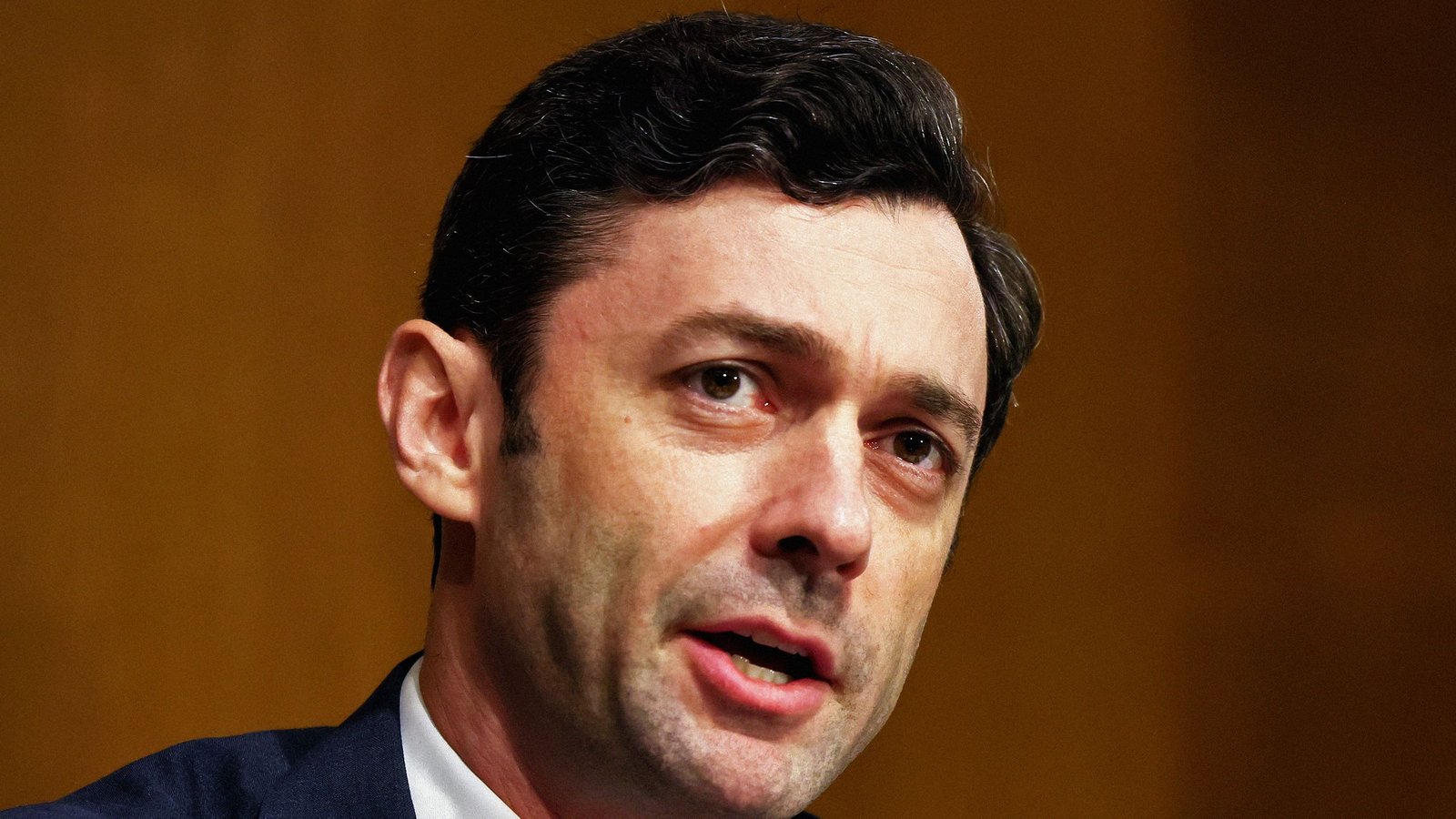
A rigorous Senate investigation led by U.S. Senator Jon Ossoff (D-GA) has uncovered 41 documented instances of physical and sexual abuse targeting pregnant women and children within U.S. immigration custody. The findings, released late last month, reveal a systemic pattern of neglect across 25 states, Puerto Rico, and various military installations, highlighting a catastrophic failure in the Department of Homeland Security’s oversight of both federal and private detention facilities.
Systemic Neglect of Vulnerable Detainees Revealed
The probe identified 14 cases involving pregnant detainees and 18 involving minors, painting a grim picture of the conditions within the Immigration and Customs Enforcement (ICE) network. Investigators documented instances where medical emergencies were met with indifference or outright hostility. In one specific case, a pregnant woman reportedly suffered a miscarriage alone after bleeding for several days without receiving professional medical intervention. Other detainees described being forced to sleep on concrete floors or being denied basic nutritional needs and scheduled medical examinations.
Harrowing Accounts of Child Endangerment
The report details disturbing treatment of children as young as two years old. One U.S. citizen child with a chronic medical condition required multiple hospitalizations while in Customs and Border Protection custody; an officer allegedly dismissed her mother’s desperate requests for help, suggesting she “just give the girl a cracker.” Furthermore, the investigation found that a four-year-old child undergoing active cancer treatment was deported without any access to specialized medical care, while another child recovering from brain surgery was denied necessary follow-up appointments.
A Nationwide Crisis Spanning 25 States
While the abuse reports span the country, the highest concentration of incidents occurred in Texas, Georgia, and California. These facilities include a mix of Department of Homeland Security sites and federal prisons operating under ICE intergovernmental service agreements. Senator Ossoff’s office compiled these findings through dozens of interviews with victims, family members, legal counsel, correctional officers, and medical professionals. The investigation also included on-site inspections of detention centers in Georgia and Texas to verify living conditions and administrative failures.
The Senate report incorporates corroborating evidence from public records and investigative journalism by outlets such as WIRED, the Miami Herald, NBC News, and CNN. These sources collectively describe an “active and ongoing investigation” into what lawmakers characterize as the structural mistreatment of women and children in federal custody.
Aggressive Expansion Amidst Human Rights Concerns
Despite these findings, the federal detention infrastructure is currently undergoing a massive expansion. Plans are underway to increase capacity to over 107,000 beds nationwide. This growth includes a $232 million contract for a tent-style encampment at Fort Bliss in West Texas, designed to hold 5,000 people, and a new agreement to house 1,000 detainees within the Indiana state prison system.
The Rise of Secretive Detention Facilities
Critics have raised alarms over Florida’s “Alligator Alcatraz,” a caged encampment already facing litigation over human rights violations and environmental degradation. Legal advocates argue that utilizing remote rural prisons and military bases effectively shields these facilities from public oversight and strips detainees of their right to due process. Civil rights organizations maintain that this rapid expansion reinforces a system already plagued by violence and medical malpractice, creating a vast infrastructure where migrant suffering remains largely invisible to the public eye.
Independent investigations into 911 call logs from major detention centers have previously highlighted a recurring pattern of medical crises, including suicide attempts, seizures, and head injuries. These records suggest that facility staff frequently fail to respond to life-threatening emergencies, further validating the Senate’s findings of a pervasive culture of negligence within the U.S. immigration detention system.