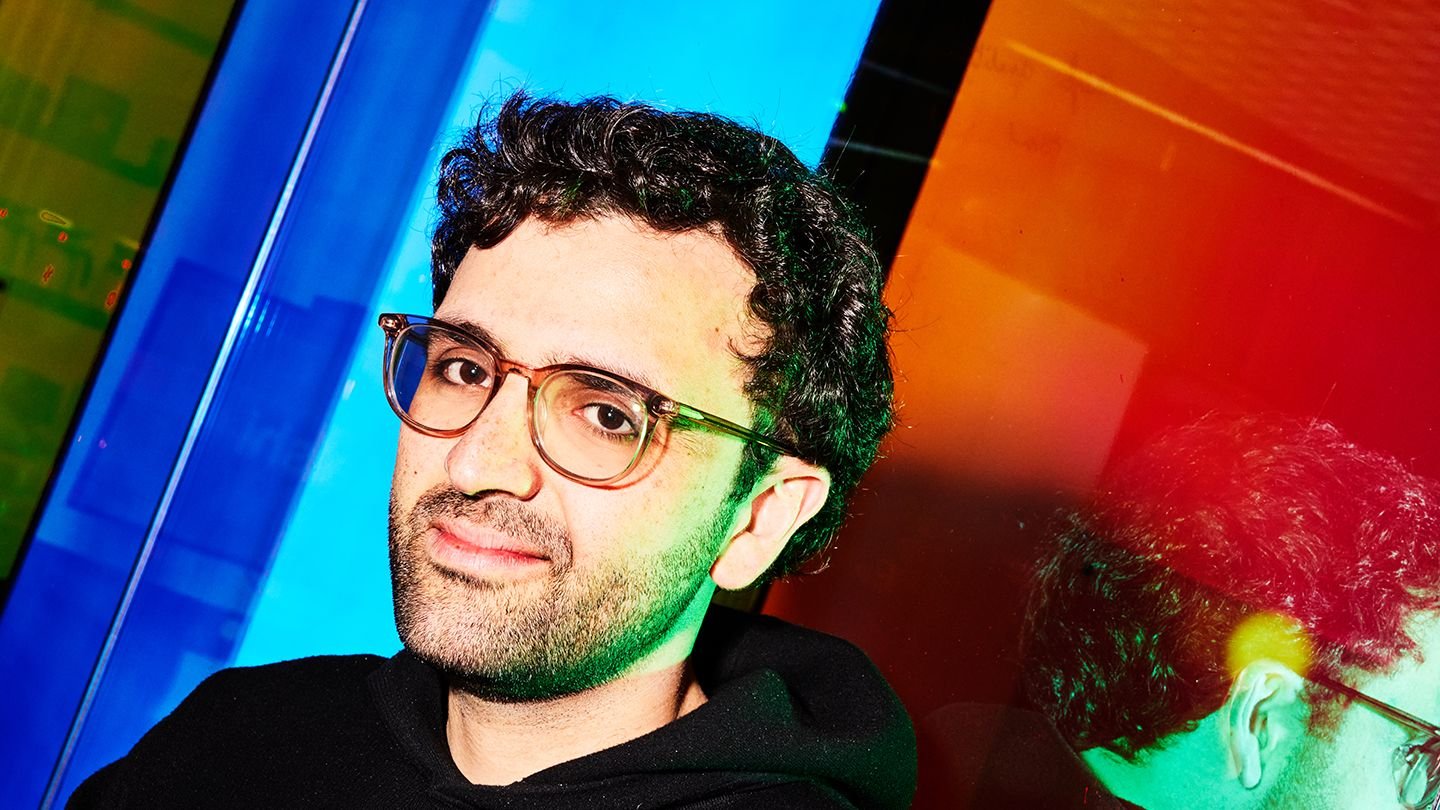
Kalshi is aggressively reshaping the American financial landscape by transforming real-world events into tradable commodities, a move that has propelled the New York-based startup to an $11 billion valuation. Founded by MIT graduates Tarek Mansour and Luana Lopes Lara, the platform distinguishes itself from traditional sportsbooks by operating as a regulated exchange under the Commodity Futures Trading Commission (CFTC). This federal oversight allows Kalshi to operate legally across all 50 U.S. states, facilitating over $1 billion in weekly trade volume on outcomes ranging from Federal Reserve interest rates to pop culture milestones.
The Regulatory Fortress: Why Kalshi Isn’t Traditional Gambling
While critics often conflate event contracts with gambling, Mansour asserts that Kalshi functions as a legitimate marketplace rather than a “house.” Unlike platforms like FanDuel or DraftKings, where the company profits from user losses, Kalshi operates as a neutral intermediary, collecting transaction fees regardless of the outcome. This structural difference is the cornerstone of their legal strategy, which successfully navigated a four-year regulatory gauntlet to secure federal approval.
The platform’s catalog is an eclectic array of binary options. Investors can take positions on:
- Global political shifts and election results.
- Daily temperature fluctuations in major metropolitan areas.
- Corporate maneuvers, such as Elon Musk’s social media activity.
- Entertainment milestones, including celebrity nuptials and award show winners.
Financial Integrity and the “Wisdom of Crowds”
Beyond speculation, Kalshi is positioning itself as a premier engine for data accuracy. Mansour argues that financial incentives strip away the biases inherent in traditional polling. The data supports this: Kalshi’s markets accurately forecasted Donald Trump’s reelection and local political upsets in New York well before mainstream pollsters reached a consensus. Furthermore, academic research indicates that Kalshi’s interest rate predictions rival the accuracy of established Wall Street analysts.
The MIT Influence and the Goldman Sachs Blueprint
The genesis of Kalshi traces back to Mansour’s upbringing in Lebanon—a region defined by geopolitical volatility—and his subsequent tenure at Goldman Sachs. During the 2016 Brexit referendum and the U.S. presidential election, Mansour witnessed how unexpected global shifts could paralyze traditional markets. He realized that the public lacked a direct mechanism to hedge against “real-world” risks. By applying rigorous mathematical models learned at MIT, Mansour and Lara built a system where uncertainty could be priced and traded with the same transparency as corn or oil futures.
Legal Friction and the Battle for Market Legitimacy
Despite its federal standing, Kalshi faces significant domestic resistance. Nineteen U.S. states have initiated litigation, arguing that the platform’s “event contracts” circumvent local anti-gambling statutes. The company also engaged in a high-stakes legal battle with the CFTC regarding the listing of election-related contracts. Kalshi emerged victorious in court, a landmark win that solidified its right to host political markets—a category that has since become its most significant driver of growth.
Addressing Insider Trading and Market Manipulation
One of the primary concerns surrounding event-based trading is the potential for manipulation by those with “inside” knowledge. Mansour counters this by emphasizing that Kalshi adheres to the same stringent oversight as the New York Stock Exchange. “If you commit insider trading on Kalshi, you’re committing a federal crime,” Mansour warns. The platform utilizes sophisticated monitoring tools to detect irregular trading patterns, ensuring that the marketplace remains a level playing field for retail investors and institutional players alike.
The Ethics of Universal Speculation
As Kalshi scales, it faces a philosophical backlash from those who view the “gamification of reality” as socially corrosive. Critics point to a 1985 “Casino Society” critique, suggesting that decoupling markets from actual business production creates a toxic environment. Mansour remains combative against these claims, comparing event contracts to life insurance or water futures—tools that allow individuals to manage risk in an unpredictable world. For Mansour, the goal is not to encourage betting, but to foster a more objective, “depolarized” conversation through the cold, hard logic of market prices.
With high-profile advisors like Donald Trump Jr. and a rapidly expanding user base, Kalshi is no longer a niche startup. It is a fundamental challenge to how society perceives value, risk, and the pursuit of truth in the digital age.