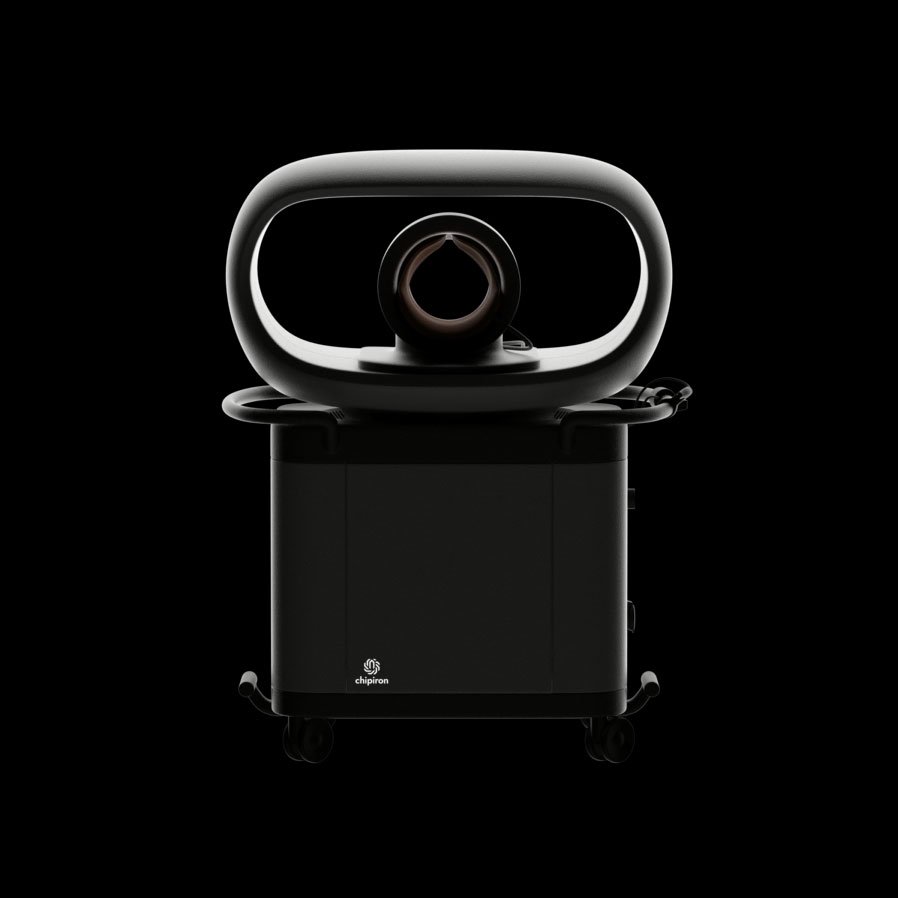
Evan Kervella, CEO of Paris-based startup Chipiron, outlined a transformative vision to decentralize Magnetic Resonance Imaging (MRI) technology during an appearance on TechCrunch’s flagship podcast, Equity, as medical device funding returns to 2021 highs.
A Billion-Dollar Comeback for Medical Hardware
Investment in medical technology has rebounded to levels not seen in three years, with venture capitalists pouring billions into the diagnostics and imaging sectors. This surge in funding suggests a market shift toward solving foundational healthcare problems that have persisted despite the digital health boom, signaling a renewed appetite for capital-intensive hardware that offers long-term clinical value.
Why MRI Access is Currently Trapped Behind Hospital Walls
Traditional MRI technology remains one of the most significant financial and logistical bottlenecks in modern medicine. Because these machines cost millions of dollars and require specialized, reinforced rooms to house their massive magnets, they are almost exclusively confined to large-scale hospitals. This centralized model creates a massive gap in care, making high-level diagnostics inaccessible to smaller clinics, urgent care centers, and remote regions, effectively limiting life-saving imaging to those near major medical hubs.
Chipiron’s Blueprint for Portable, Low-Cost Imaging
Chipiron is challenging the status quo by focusing on rethinking MRI access from the ground up rather than simply iterating on existing, heavy machinery. Kervella’s strategy involves engineering hardware that is both portable and affordable, allowing MRI technology to be utilized in virtually any clinical setting. By reducing the physical and financial footprint of these systems, the startup aims to dismantle the geographical and economic barriers that have historically kept advanced diagnostic tools out of reach for the general population, shifting the paradigm from hospital-bound units to ubiquitous medical tools.