
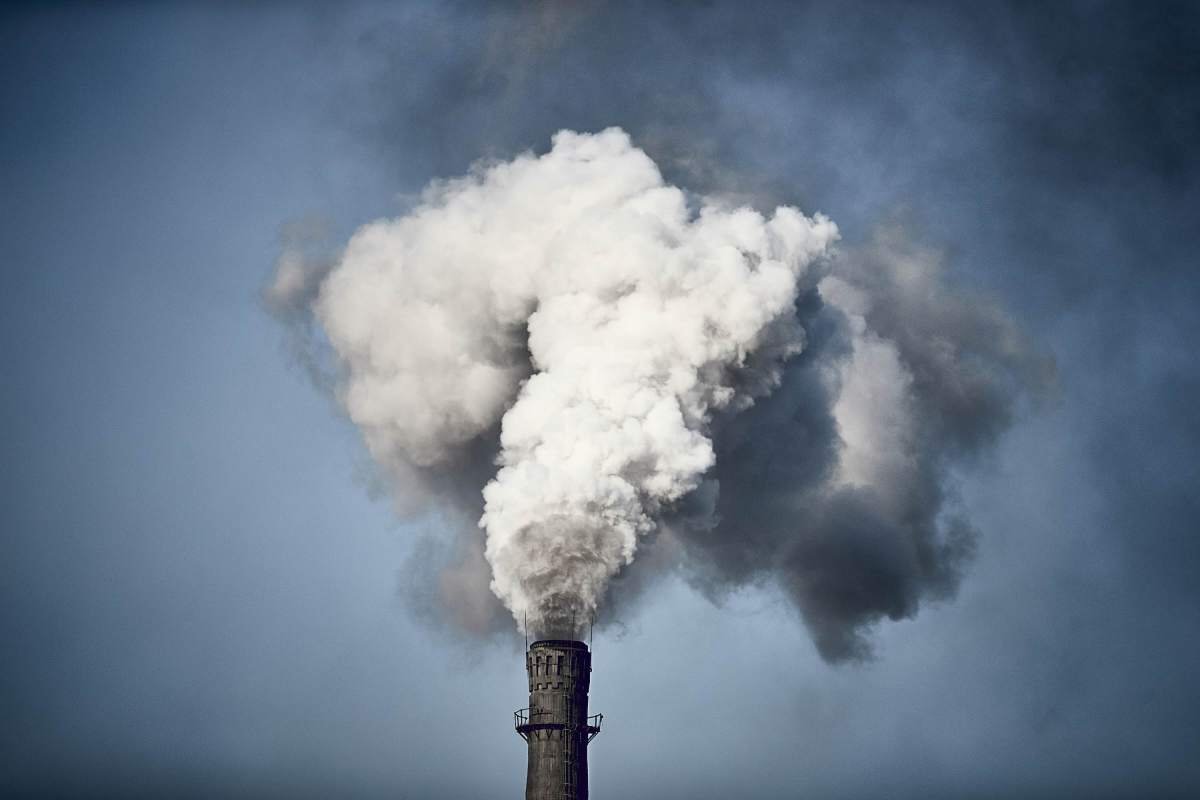
Al Gore is deploying cutting-edge artificial intelligence to monitor 662 million individual pollution sites across the globe, a massive data-driven initiative aimed at exposing the true cost of fossil fuel reliance. This technological leap allows for the precise tracking of emissions at a scale Gore describes as previously “unimaginable,” providing the transparency needed to spark a worldwide shift toward sustainable energy infrastructure.
The Unprecedented Scale of AI-Driven Monitoring
The integration of AI into environmental surveillance marks a turning point in climate activism. According to Gore, the ability to observe and analyze 662 million specific locations simultaneously was beyond human capability until the recent surge in AI performance. This “extraordinary” capacity now enables researchers to pinpoint polluters with surgical precision, creating a global map of accountability that was once a logistical impossibility.
Mapping the Lethal Impact of Fine Particulate Matter
The primary target of this tracking effort is PM2.5, or fine particulate pollution, which modern science identifies as a major driver of global mortality. While its links to lung cancer and cardiovascular disease are well-documented, recent studies reveal a far more insidious range of health consequences. Exposure to these microscopic particles is now directly associated with low birth weight, kidney disease, and neurodegenerative conditions such as Parkinson’s, Alzheimer’s, and dementia. Furthermore, data suggests a significant correlation between PM2.5 and type 2 diabetes, among other ailments. In the United States alone, fine particulate pollution accounts for tens of thousands of excess deaths annually, even when levels remain within current legal thresholds.
From Leaded Gasoline to Carbon-Free Futures
This initiative builds upon the foundational research of Joel Schwartz, the scientist whose pioneering work on the dangers of lead eventually forced the global ban on leaded gasoline. Gore views the current AI tracking as a catalyst for a similar paradigm shift. By making the health risks of carbon-intensive facilities undeniable, the project aims to generate the political momentum necessary to replace high-emission plants with cleaner, modern technologies. Gore maintains that this increased transparency provides the essential incentives to accelerate the transition away from fossil fuels and toward a less toxic global economy.