
As the American disaster preparedness market accelerates toward a projected $300 billion valuation by the end of the decade, industry titans 4Patriots and My Patriot Supply are locked in a fierce rivalry to monetize existential anxiety through survivalist gear and high-octane branding. This burgeoning sector, once a niche community of “preppers,” has transitioned into a mainstream consumer powerhouse, driven by a 2023 FEMA survey revealing that 51 percent of Americans now claim some level of disaster readiness.
From Bunkers to Boardrooms: The Rise of Retail Prepping
The scale of this industry is best illustrated by the physical expansion of its major players. My Patriot Supply, which previously operated out of a modest 45,000-square-foot facility, recently transitioned into a massive 428,000-square-foot warehouse. This growth reflects a broader shift in American consumer behavior, where “purchasing your way to safety” has become a standardized response to a modern roulette wheel of calamities, including power grid failures, extreme weather, and political instability.
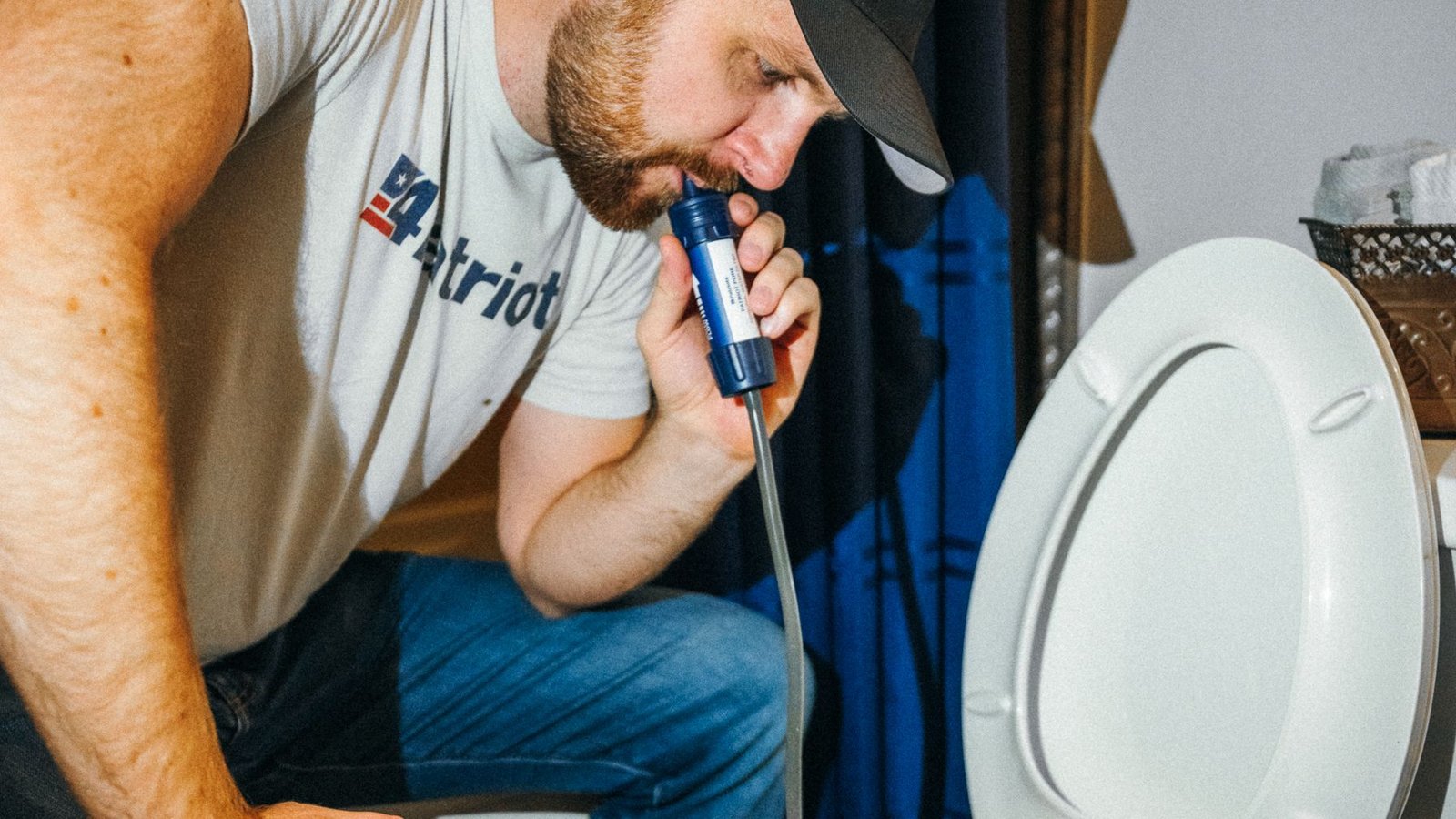
Tyler Stapleton, a mechanical engineer and product developer for 4Patriots, represents the new face of the industry. Operating from a tidy home in Utah, Stapleton markets “energy independence” to suburban families rather than the stereotypical bunker-dwelling zealot. However, the rhetoric of self-reliance often masks a cutthroat corporate landscape. My Patriot Supply officials have openly labeled 4Patriots as their “archnemesis,” even releasing promotional content that dismisses competitors as “fake patriots.”
Reliability Red Flags: When Survival Gear Fails the Test
Despite the industry’s promise of “rock-hard reliability” during a crisis, both companies have faced significant scrutiny regarding product quality. 4Patriots, in particular, has dealt with a litany of consumer grievances filed with business watchdogs. Allegations range from defective water filters and generators to survival food kits that customers claimed caused severe illness. In 2016, the company issued a voluntary recall for several thousand generators due to fire hazards, and a subsequent Consumer Reports evaluation of their 1,800-watt solar generator resulted in a lackluster score of 46 out of 100.
The gap between marketing and reality was highlighted during a recent demonstration of the 4Patriots “AlphaCase” suitcase-sized generator. Despite claims that the unit could power a standard refrigerator, the device immediately triggered an overload message when plugged in. Stapleton admitted the unit was “a little bit small” for such a task, despite the company’s website suggesting otherwise. In response to these criticisms, 4Patriots officials maintain that they have shipped over 5 million products and prioritize safety above all else, though they decline to share specific return or refund rates.
The Marketing of Fear: Politics, Personas, and ‘Patriotism’
The origins of 4Patriots are rooted in the political climate of 2008. Founded by Allen Baler, a Harvard-educated marketer, the company initially gained traction by targeting conservative men aged 55 and older in “red” states. The firm utilized a fictionalized pitchman named “Frank Bates,” a Vietnam veteran persona used to allege government plots and FEMA food hoarding. Although 4Patriots eventually admitted “Bates” was a pen name used for privacy, his likeness—sourced from a stock photography site—remains a point of contention and mockery for rivals.
The marketing strategies of these firms often pivot on current events. Sales figures frequently spike during presidential election cycles and global crises, such as the COVID-19 pandemic or the 2022 invasion of Ukraine. While 4Patriots has recently attempted to broaden its appeal to “crunchy off-gridders” and campers, its core messaging continues to resonate with those seeking to regain a sense of control in an unpredictable world.
4Patriots University and the Psychology of Loss
To deepen customer loyalty, 4Patriots launched “4Patriots University,” a series of masterclasses led by Seth Weller, a veteran of the preparedness industry. Weller argues that prepping is often a form of “retail therapy” for individuals who have experienced profound personal loss or trauma. His curriculum focuses on building community networks and technical expertise, acknowledging that gear alone—which he admits “doesn’t always work”—is insufficient without the skills to use it.
Legal Warfare in the Prepper Marketplace
The rivalry between 4Patriots and My Patriot Supply reached a boiling point in 2022, when both companies filed dozens of claims and counterclaims with the National Advertising Division (NAD). The independent watchdog criticized both firms for deceptive practices. 4Patriots was warned against exaggerating the volume of food in its kits, while My Patriot Supply was urged to stop implying its kits included fresh fruit. Additionally, both companies were flagged for manipulating the review landscape—either by withholding negative feedback or failing to disclose financial endorsements for product reviews.
Ultimately, these two entities are mirrors of one another, competing for the same frightened demographic. As the “prepper” mindset becomes further ingrained in the American psyche, the battle between these “patriotic” firms underscores a fundamental tension: the selling of security in a world that feels increasingly insecure.