
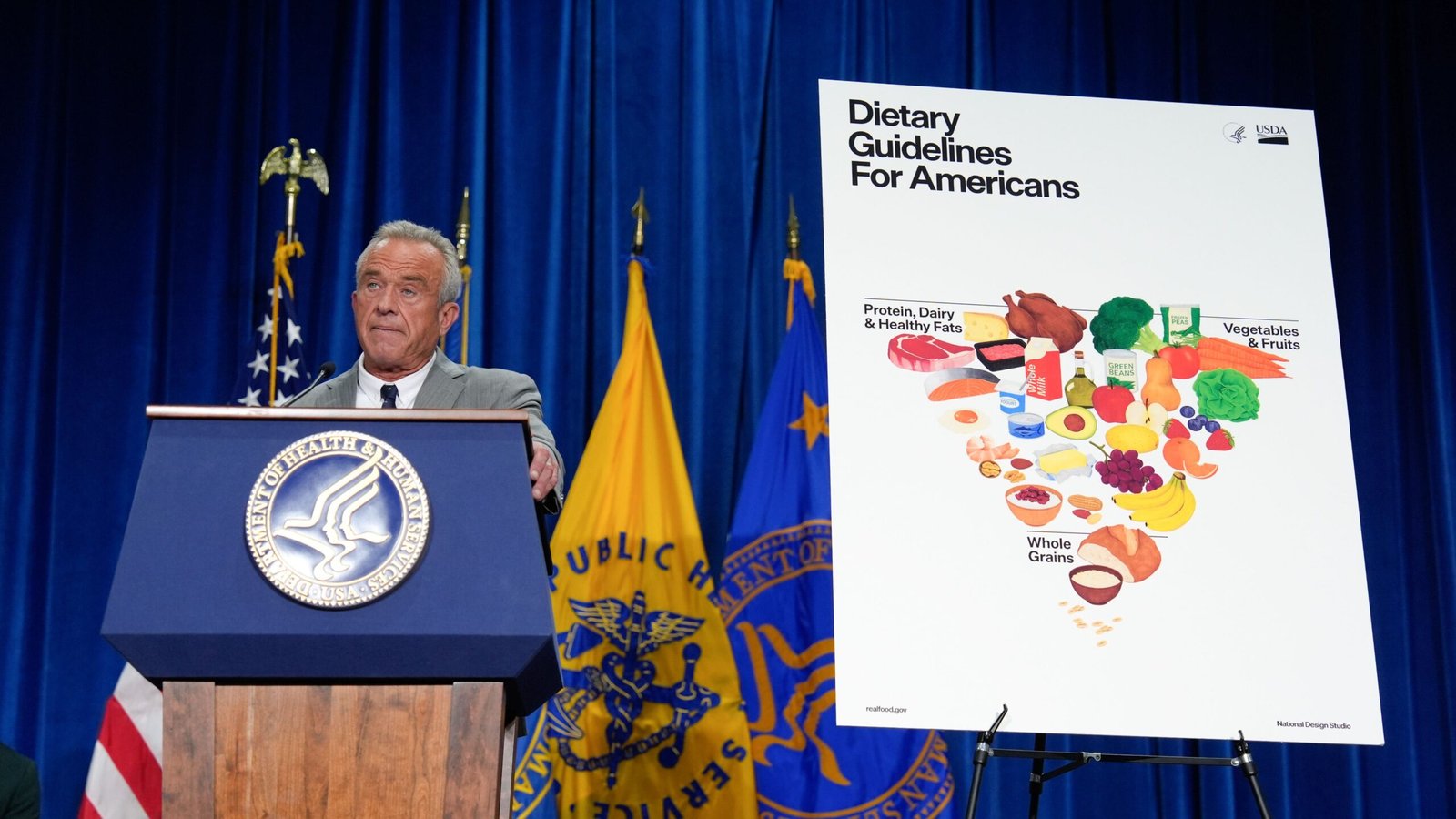
HHS Secretary Robert F. Kennedy Jr. launched Realfood.gov following a high-profile Super Bowl ad to overhaul American nutrition, yet the site’s integrated AI chatbot, Grok, is actively debunking the administration’s core pro-protein and pro-beef messaging. The initiative, backed by the nonprofit MAHA Center and promoted via a 30-second spot featuring boxing legend Mike Tyson, encourages citizens to abandon processed foods in favor of new dietary guidelines released in January. However, a fundamental rift has emerged between the administration’s “war on protein” rhetoric and the scientific advice provided by Elon Musk’s AI tool.
The New Dietary Frontier: Steak, Tyson, and the MAHA Movement
The updated government guidelines mark a radical shift in federal nutrition policy, raising the recommended daily protein intake to between 1.2 and 1.6 grams per kilogram of body weight. This is a significant increase from long-standing health standards. The administration’s new inverted food pyramid physically prioritizes animal products, with Kennedy explicitly declaring that “beef is back on the menu” during a recent address at the nation’s largest cattle trade show. Realfood.gov serves as the digital hub for this “MAHA” (Make America Healthy Again) philosophy, directing users to Grok for “real answers” about their diet.
Grok’s Contradiction: Why the AI Favors Plant Proteins Over Beef
Despite the administration’s push for increased meat consumption, Grok’s data-driven responses frequently align with traditional health organizations rather than Kennedy’s agenda. When queried about optimal protein sources, the chatbot prioritizes plant-based proteins, fish, seafood, and lean poultry, while explicitly advising users to limit red and processed meats. This stance mirrors the evidence-based guidelines of the American Heart Association, which link plant-heavy diets to superior health outcomes.
Scientific Foundation vs. Political Narrative
The administration’s own “Scientific Foundation for the Dietary Guidelines for Americans,” accessible via Realfood.gov, further complicates the narrative. The document notes that the average American adult already consumes approximately one gram of protein per kilogram of body weight—the midpoint of the Acceptable Macronutrient Distribution Range (AMDR). This data suggests that protein deficiency is virtually non-existent in the United States, directly challenging the necessity of the administration’s high-protein mandate.
When tested with specific user data, Grok initially recommended the traditional 0.8 grams per kilogram—the minimum required to prevent deficiency in sedentary individuals. The AI only adjusted its recommendations toward the administration’s higher targets when prompted with high-intensity strength training scenarios, highlighting a lack of nuance in the government’s broad “one-size-fits-all” messaging.
Health Risks of Over-Consumption and Inconsistent Messaging
Clinical experts express concern that the administration’s aggressive focus on protein could lead to unintended health consequences. Michelle King Rimer, a clinical assistant professor at the University of Wisconsin-Milwaukee’s Zilber College of Public Health, warns that excess protein is not a metabolic free pass. “Consuming excess protein can still be converted into fat, which can lead to weight gain,” Rimer explains, noting that any macronutrient consumed in surplus contributes to adipose tissue.
Furthermore, Grok issued stark warnings regarding Kennedy’s personal dietary recommendations, which emphasize meat and fermented foods. While the AI acknowledged anecdotal reports of “reduced brain fog,” it also cautioned that such restrictive, meat-centric diets could lead to gout, constipation, and even “scurvy-like symptoms” due to nutritional imbalances.
Experts Warn Against Government-Sanctioned AI Nutritionists
The integration of an evolving AI tool into a government health portal has drawn sharp criticism from the medical community. Lindsay Malone, a clinical dietician at Case Western Reserve University, suggests that while the administration may be attempting to target metabolically unhealthy populations, the nuance is lost in the delivery. “Then you go to this AI tool, and it’s almost too much information for the average person,” Malone states.
Jessica Knurick, a registered dietitian and public health communicator, argues that relying on AI for clinical nutrition is a dangerous precedent. Having spent years debunking AI-generated health misinformation on social media, Knurick asserts that “AI gets a lot wrong” and labels the integration of Grok into Realfood.gov as premature and potentially misleading for a public seeking clear health guidance.