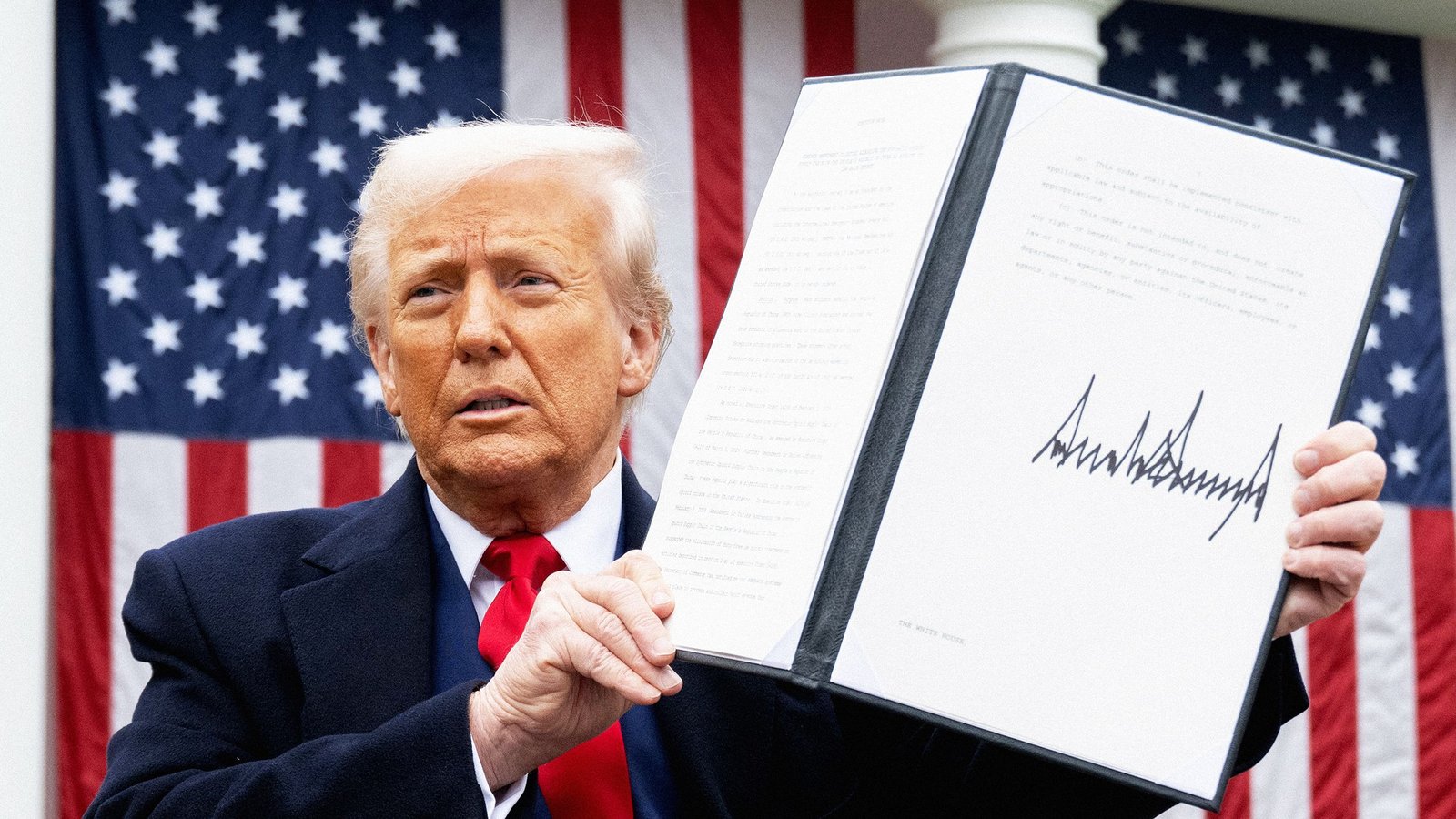
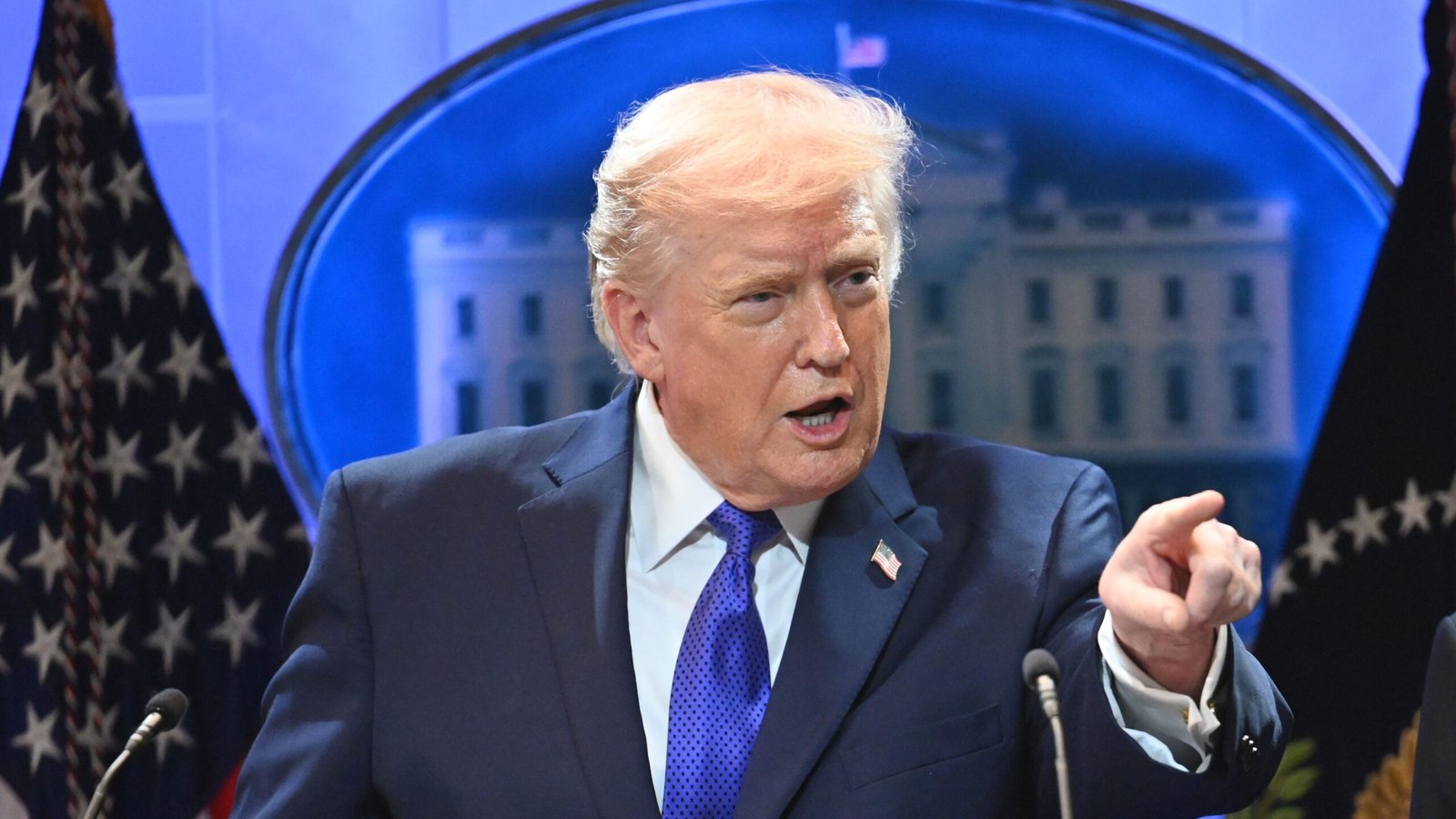
President Donald Trump signed an executive order on Friday evening to impose a 15% tariff on most foreign imports starting February 24, 2026, leveraging Section 122 of the Trade Act of 1974 to circumvent a recent Supreme Court ruling that invalidated his previous trade tax strategies. During a heated press conference, Trump confirmed the move as a direct response to the judiciary’s restriction on his use of the International Emergency Economic Powers Act (IEEPA), signaling a new phase of aggressive protectionist policy.
The Legal Pivot: Section 122 as a “Bridge Authority”
To maintain his trade agenda despite judicial setbacks, the administration is now relying on Section 122, a rarely used statute that grants the president the power to unilaterally impose tariffs of up to 15 percent for 150 days in response to “large and serious” trade deficits. Because this authority expires after five months without Congressional intervention, legal experts view it as a tactical maneuver.
Gregory Husisian, a partner and litigation attorney at Foley & Lardner LLP, describes the move as a “bridge authority.” According to Husisian, whose firm has assisted over a hundred companies in tariff refund claims, the administration likely intends to use this 150-day window to finalize more permanent trade investigations. These include Section 301 and Section 232 probes, which focus on national security and unfair foreign trade practices, providing a more robust—though slower—legal foundation for long-term duties.
Strategic Exemptions and the De Minimis Crackdown
The executive order does not apply a blanket tax to all goods. The Trump administration outlined specific exemptions for critical sectors, including pharmaceuticals, automobiles, beef, fruits, and essential minerals. Furthermore, imports originating from Canada and Mexico remain exempt, preserving key North American supply chain components.
However, a separate executive order confirmed that the “de minimis” exemption remains suspended. This policy, which previously allowed e-commerce packages valued under $800 to enter the U.S. duty-free, has been a flashpoint for the administration. The suspension has already triggered significant logistical bottlenecks at U.S. borders and drove up prices on low-cost global shopping platforms throughout the previous year.
Judicial Conflict and Attacks on the Supreme Court
The press conference served as a platform for the President to vent frustrations regarding the Supreme Court’s decision, which clarified that while the IEEPA grants the executive branch emergency powers, those powers do not extend to the authority to tax. Trump repeatedly distorted the ruling, claiming the court granted him the “unquestioned right to ban all sorts of things” and “destroy foreign countries,” while inexplicably denying him the right to “charge a fee.”
Trump directed personal vitriol at the six justices who ruled against him, labeling them “a disgrace to our nation.” He specifically targeted Neil Gorsuch and Amy Coney Barrett—two of his own nominees—calling their votes an “embarrassment to their families.” The rhetoric frequently veered into tangential grievances, ranging from his disdain for Federal Reserve Chair Jerome Powell to critiques of European social policies, even pausing to praise his own “great comprehension” of the legal texts involved.
The Looming Crisis of Corporate Refunds
The Supreme Court’s decision left a massive legal vacuum regarding the billions of dollars already collected under the now-invalidated IEEPA tariffs. Trump offered no clarity on whether companies would be reimbursed, stating only that he expects the matter to be “litigated in court.”
Trade experts warn that the refund process will be a protracted bureaucratic nightmare. Companies must independently calculate their claims and file formal complaints, a process the government is expected to contest. Analysts predict that final resolutions and actual payouts could take anywhere from several months to over two years, leaving many businesses in financial limbo while the new Section 122 tariffs take effect.