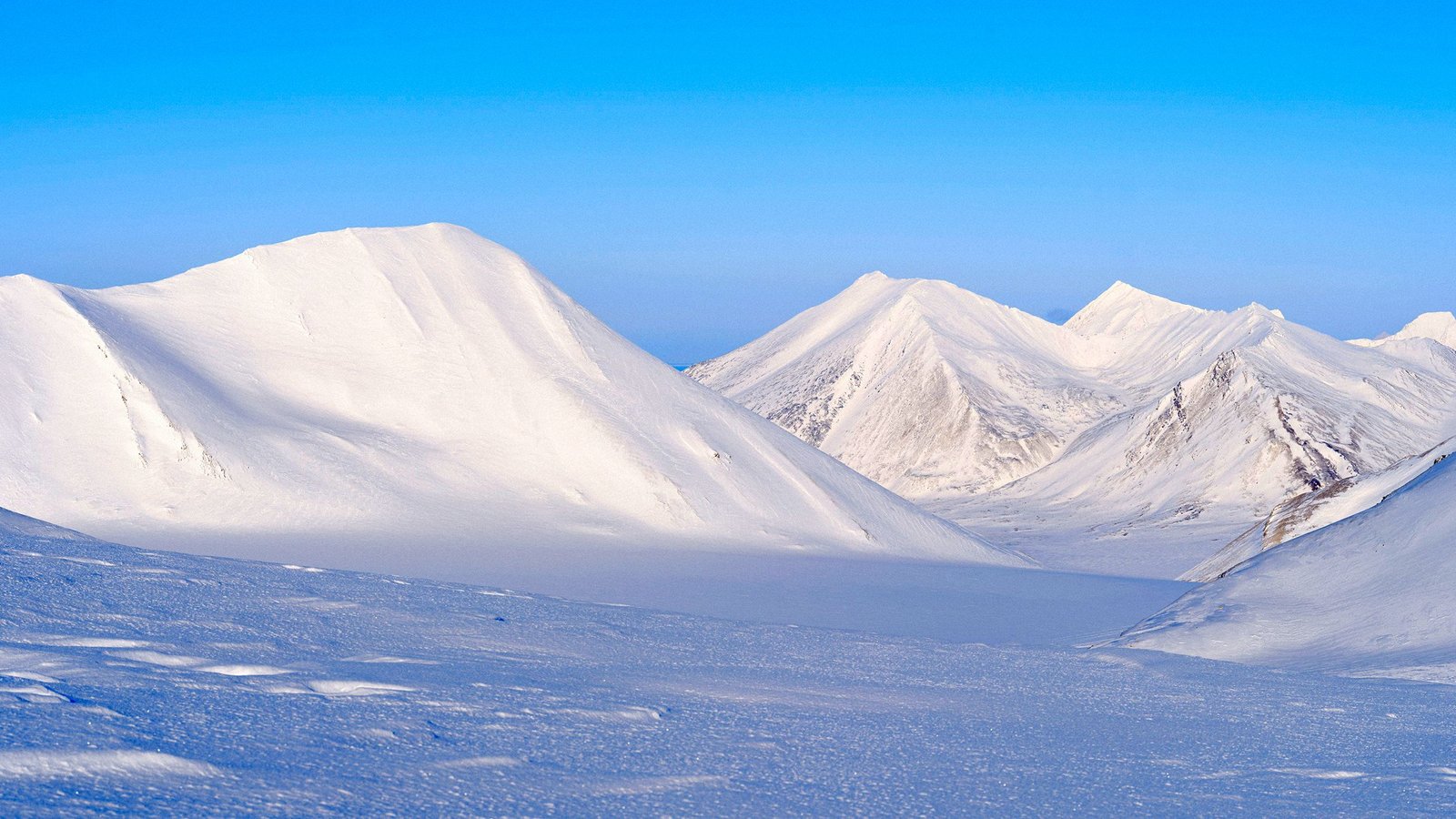
Global technology leaders and specialized “neocloud” operators are aggressively expanding into the Nordic region, launching over 50 data center projects across Norway, Sweden, Finland, Denmark, and Iceland to secure the massive energy supplies required for next-generation Artificial Intelligence models. This northern migration represents the fastest growth in data center capacity anywhere in Europe, as the industry outpaces traditional infrastructure hubs to meet the insatiable compute demands of generative AI.
The Great Northern Expansion: From OpenAI to Mistral
The scale of investment in the Arctic and surrounding territories is unprecedented. Last year, OpenAI revealed plans to deploy 100,000 GPUs in a remote Norwegian fjord town located within the Arctic Circle, a move quickly mirrored by Microsoft. The momentum has only accelerated in recent weeks; the French AI laboratory Mistral announced a $1.4 billion infrastructure lease in Borlänge, Sweden, while operator atNorth unveiled plans for a massive new Swedish facility. Simultaneously, developers in Finland are proposing projects that could potentially double the nation’s existing data center footprint.
This construction surge responds to an acute shortage of viable sites in Western Europe. Traditional “FLAPD” markets—Frankfurt, London, Amsterdam, Paris, and Dublin—are struggling to provide the land and energy density required for modern AI workloads. “There’s an extraordinary amount of demand out there, but servicing that demand is increasingly an issue across Europe,” explains Kevin Restivo, director of data center research at CBRE. Restivo notes that power has become a “precious commodity,” positioning Norway and its neighbors as the new epicenters of the industry.
The Shift from Latency to Raw Power
Historically, European data centers clustered near financial hubs to minimize latency for algorithmic trading and real-time applications. However, the emergence of ChatGPT in late 2022 fundamentally altered the criteria for site selection. AI training, unlike high-frequency trading, is less sensitive to the millisecond delays caused by physical distance. This shift has empowered “neoclouds”—specialized providers focused exclusively on GPU fleets—to establish operations in far-flung regions.
Jouni Salonen, a specialist at Business Finland, observed a definitive pivot in 2023. Government agencies began receiving a wave of inquiries from developers prioritizing “quick access to power” over proximity to urban centers. For these new players, the Nordics offer a trifecta of advantages:
- Abundant Energy: Access to a surplus of renewable hydropower and wind energy.
- Natural Cooling: The frigid climate significantly reduces the electricity required to prevent hardware from overheating.
- Regulatory Compliance: Green energy grids help operators satisfy increasingly strict EU emissions mandates.
Economic Revival and the “Giga-Factory” Model
The arrival of Big Tech is transforming local economies where traditional industries like mining and lumber have declined. In some remote areas, the value of forest land slated for data center zoning has skyrocketed, commanding prices four to nine times higher than standard timberland. Philippe Sachs, Chief Business Officer at neocloud firm Nscale, argues that the region is “far and away the best place” in the world for large-scale compute clusters. “You’re gaining an enormous amount: abundant green contiguous power with little competing industrial demand,” Sachs says regarding their operations in Norway.
Strategic Risks and Site Hoarding
Despite the economic optimism, the transition is not without friction. Some industry analysts warn that the vision of rural revitalization depends on these proposed facilities moving beyond the planning phase. Kevin Restivo points out that some hyperscale operators may be “hoarding” prime sites to prevent competitors from gaining a foothold, securing power contracts they may not immediately use.
Nevertheless, the scarcity of energy in the rest of Europe remains the primary catalyst for the northern shift. As Andrew Jay, head of data center solutions EMEA at CBRE, concludes, the lack of power elsewhere is “far and away the biggest constraining factor” driving the entire global infrastructure strategy toward the Arctic edge.