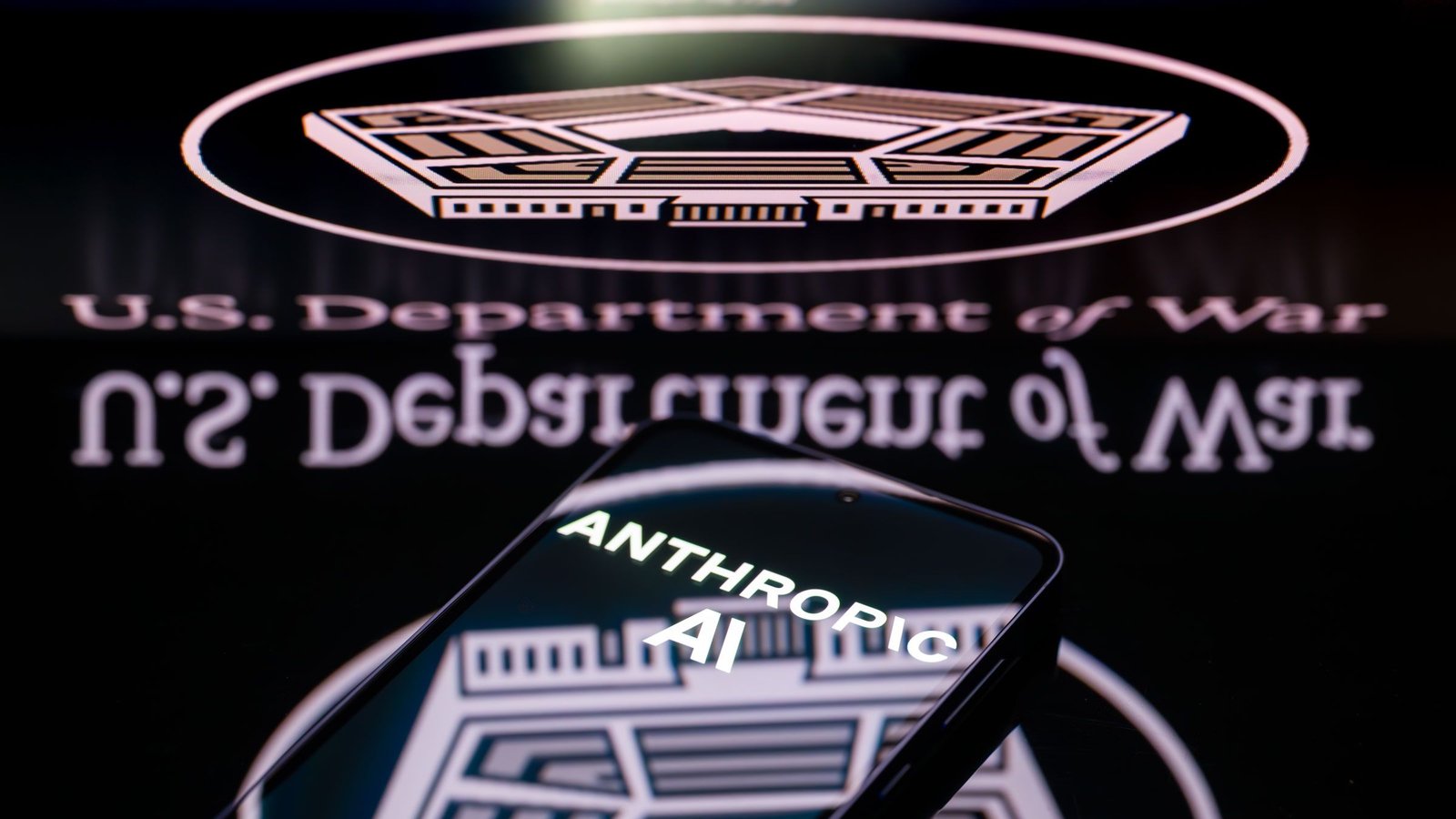

OpenAI models infiltrated U.S. Department of Defense workflows via Microsoft’s Azure platform as early as 2023, effectively circumventing the startup’s then-active internal prohibition on military applications. This revelation follows intensifying scrutiny of CEO Sam Altman, who recently characterized the rollout of the company’s military strategy as “sloppy” amid mounting pressure from internal whistleblowers and ethics researchers.
The Azure Backdoor to the Pentagon
While OpenAI’s 2023 usage policy explicitly forbade military involvement, the Department of Defense (DoD) gained access to the technology through Azure OpenAI. As OpenAI’s primary investor and commercial partner, Microsoft leveraged its decades-long relationship with the Pentagon to deploy these models under its own terms of service. Microsoft spokesperson Frank Shaw confirmed the availability of these tools to the government in 2023, noting that while the service was not cleared for “top secret” workloads until 2025, it operated outside the jurisdiction of OpenAI’s restrictive policies.
Internal sources indicate that OpenAI staff became alarmed after witnessing Pentagon officials visiting the company’s San Francisco headquarters. Despite employee confusion regarding policy enforcement, OpenAI spokesperson Liz Bourgeois defended the move, stating that national security involvement is essential to ensure AI is “deployed safely and responsibly.”
Policy Revisions and Internal Friction
In January 2024, OpenAI quietly eliminated the blanket ban on military use from its documentation. Many employees reportedly learned of this fundamental shift through media reports rather than internal memos. This policy pivot preceded a high-profile partnership with Anduril in December 2024, aimed at developing AI systems for “national security missions.”
The Anduril deal sparked a surge of internal dissent. Dozens of employees utilized private Slack channels to voice concerns, arguing that models struggling with basic credit card processing were too unreliable for battlefield applications. While some staff members viewed the partnership as a measured approach to defense, others feared the company was abandoning its ethical foundations.
Strategic Defense Partnerships: Anduril vs. Palantir
OpenAI’s defense strategy maintains a distinct boundary compared to its competitors. While Anthropic and Palantir have engaged in classified military work, OpenAI initially restricted its Anduril partnership to unclassified workloads. Although OpenAI declined a “FedStart” collaboration with Palantir in late 2024, citing high-risk factors, the company continues to maintain other operational ties with the data analytics firm.
Transparency Gaps and Surveillance Risks
Legal and geopolitical experts warn that the current lack of transparency creates a “black box” scenario for military AI. Sarah Shoker, former head of OpenAI’s geopolitics team, emphasized that the opacity of these agreements obscures the real-world impact of AI in conflict zones. “Our ability to understand the effects of military AI in war is severely hindered,” Shoker noted, highlighting the risks posed to civilians.
Further concerns involve “legal surveillance.” Charlie Bullock of the Institute for Law and AI suggested that the Pentagon might use OpenAI’s tools to analyze commercially purchased data on American citizens. Although OpenAI researcher Noam Brown stated that the company has since amended agreement language to address these loopholes, the full terms remain shielded from public view.
Altman Signals Global Defense Ambitions
OpenAI’s trajectory suggests a full embrace of the defense sector. In recent internal meetings, Sam Altman informed staff that the company does not dictate how the Defense Department utilizes its software. Looking beyond domestic borders, Altman expressed intent to market OpenAI’s sophisticated models to NATO, signaling an aggressive expansion into the global security infrastructure.