U.S. Customs and Border Protection (CBP) officially rescinded four Biden-era humanitarian directives on May 5, stripping away specific medical and operational protections for pregnant women, breastfeeding mothers, and infants held in federal custody. Acting Commissioner Pete Flores signed the internal memo, titled “Rescission of Legacy Policies Related to Care and Custody,” effectively rolling back standards established over the last three years to prevent fatalities and improve conditions in short-term detention facilities.
The Rescission of “Obsolete” Humanitarian Standards
The May 5 memo, distributed internally to agency leadership without public announcement, justifies the policy reversal by labeling the previous protections as “obsolete” and “misaligned” with current enforcement priorities. These rescinded policies served as a direct response to CBP’s documented history of medical neglect, which has previously resulted in the deaths of vulnerable detainees.
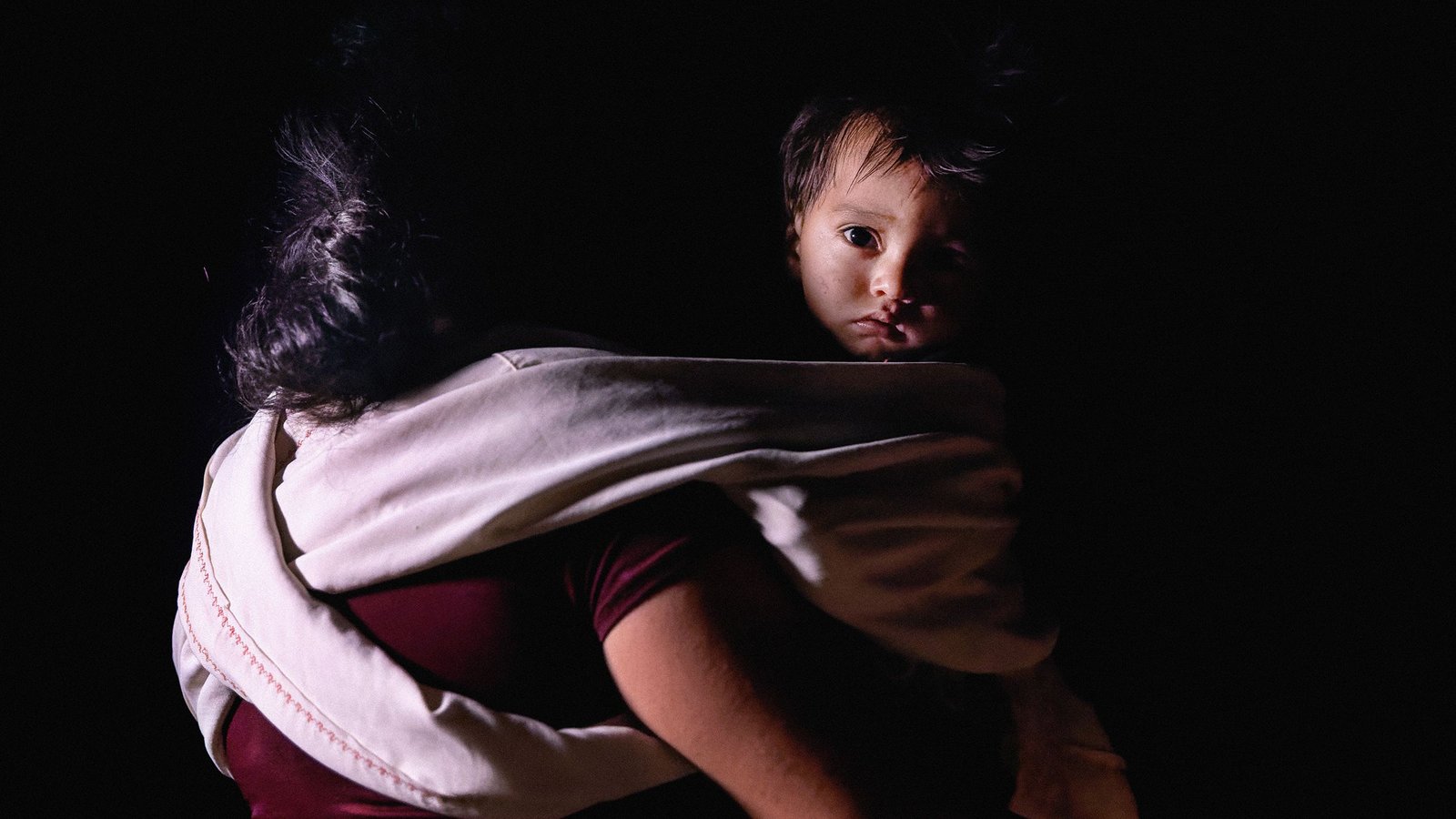
By eliminating these guidelines, the agency removes specific mandates that ensured high-risk individuals received specialized care. The former policies required facilities to maintain stocks of unexpired infant formula and diapers, provided privacy for breastfeeding mothers, and guaranteed access to adequate food and water for pregnant detainees. Furthermore, the previous rules instructed agents to prioritize the processing of at-risk individuals to minimize their duration in government custody.
“A Culture of Cruelty”: Human Rights Advocates Respond
Human rights organizations and political leaders have reacted with sharp condemnation. Sarah Mehta, deputy director of government affairs for the ACLU’s Equality Division, described the move as an extension of a “culture of cruelty.” According to Mehta, the decision to rescind these protections serves as a “damning statement” regarding the administration’s disregard for families and young children.
CBP, one of the world’s largest law enforcement entities, manages the initial stages of migrant apprehension and detention. Unlike Immigration and Customs Enforcement (ICE), which handles long-term custody, CBP operates short-term holding cells that have faced years of scrutiny for overcrowding and substandard medical infrastructure.
A Legacy of Medical Negligence and Fatalities
The policy shift arrives despite a January report from the Senate Judiciary Committee that exposed systemic dysfunction within CBP’s medical operations. The investigation highlighted chronic understaffing, the misuse of medical records, and a lack of clear guidance for treating detainees with complex needs, including children and pregnant women.
Central to these concerns is the 2023 death of eight-year-old Anadith Danay Reyes Álvarez. The girl, who suffered from heart problems and sickle cell anemia, died in a Harlingen, Texas, facility after staff repeatedly ignored pleas for help from both the child and her mother. The Senate report concluded that the facility’s personnel were either unequipped or unwilling to provide the life-saving care required.
Political Backlash and Broader Immigration Shifts
Senator Dick Durbin, ranking member of the Senate Judiciary Committee, criticized the administration for ignoring calls for transparency and accountability. “Instead of taking actions to course-correct, the administration rescinded several internal policies aimed at protecting some of the most vulnerable individuals in CBP custody,” Durbin told WIRED. He emphasized that as a nation of values, the U.S. must represent those values in the care of people in government custody.
This reversal aligns with broader immigration tactics, including attempts to revoke legal status for approximately 500,000 immigrants and the removal of “protected areas” status for schools and hospitals. While border apprehensions have reached historic lows, the number of individuals in ICE detention has surged, reaching nearly 48,000 as of April.
CBP Maintains Reliance on General Standards
In defense of the move, CBP officials state that personnel will remain guided by the National Standards on Transport, Escort, Detention, and Search (TEDS) and the Flores agreement. The Flores agreement specifically mandates safe and sanitary conditions for children. However, the administration has previously contested the scope of these requirements, arguing in past legal challenges that the settlement does not explicitly require the provision of soap or sleeping accommodations for minors.