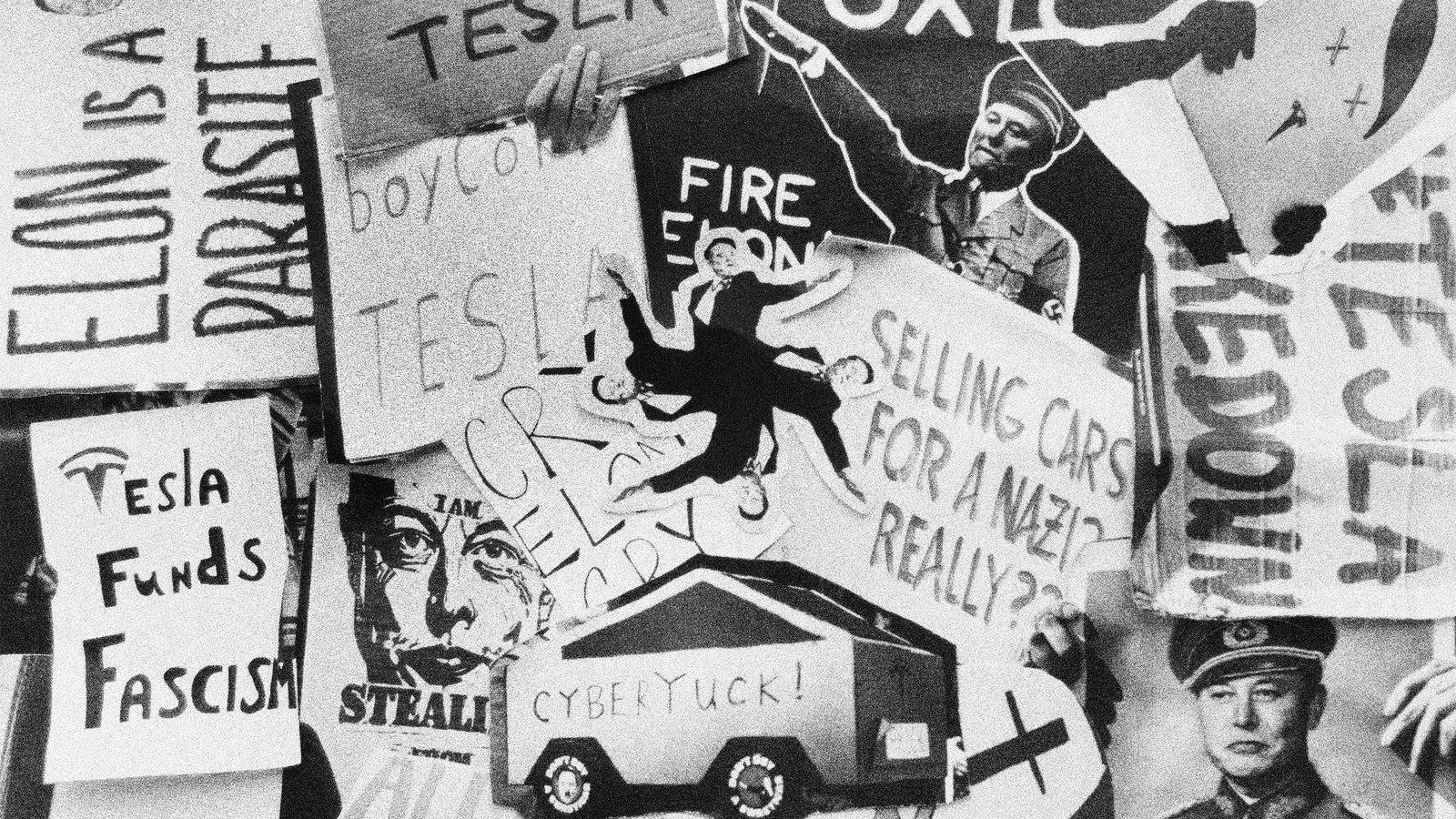
In early 2025, a decentralized coalition of climate activists, federal employees, and disillusioned tech enthusiasts launched “#TeslaTakedown,” a high-stakes protest campaign targeting Tesla showrooms and charging infrastructure to exert financial pressure on Elon Musk following his controversial leadership of the Department of Government Efficiency (DOGE). This movement, which began as a viral sentiment on alternative social media, has rapidly evolved into a coordinated effort to hit Musk’s net worth by disrupting the retail operations of his most valuable asset.
The Investors’ Nightmare: Tesla’s Financial Freefall
The movement’s impact coincided with one of the most disastrous financial periods in Tesla’s history. During the first quarter of 2025, the electric vehicle pioneer reported a staggering 71 percent year-over-year drop in net income, with revenue missing Wall Street projections by over $2 billion. As Tesla’s stock price plummeted 33 percent from its late-2024 peak, Musk used an investors’ earnings call to address the “Tesla Takedown” directly, alleging—without providing evidence—that the protesters were “paid” operatives motivated by the loss of federal “largesse.”
Despite Musk’s assertions, participants like Emily Johnston of the Seattle-based group “Troublemakers” maintain that the movement is a purely organic response to Musk’s political trajectory. For these activists, the falling stock line is a metric of success, proving that grassroots visibility can penetrate the perceived invincibility of the world’s richest man.
From a Bluesky Post to a National Resistance
The seeds of the rebellion were planted on February 8, when disinformation scholar Joan Donovan posted a call to action on Bluesky, urging critics to “bang some pots and pans” in front of Tesla dealerships. What began as a modest post with fewer than 200 likes gained massive momentum when actor and filmmaker Alex Winter—famed for Bill & Ted’s Excellent Adventure—collaborated with Donovan to launch a centralized website. Within 12 hours, thousands of volunteers registered to organize local chapters, turning a hashtag into a logistical reality.
The movement has attracted a remarkably diverse demographic, uniting PhD researchers like Massachusetts Institute of Technology fellow Sanchez with veteran climate organizers and laid-off federal workers. This “resistance coalition” targets Tesla not because they oppose electric vehicles, but because they view the company as Musk’s primary source of leverage and public standing.
The Empire Strikes Back: Surveillance and FBI Inquiries
As the protests intensified across cities like Boston, Austin, and San Francisco, the federal response took a controversial turn. The Trump administration began labeling acts of vandalism against Tesla property as “domestic terrorism,” a move civil liberties experts warn grants authorities unprecedented latitude to monitor peaceful activists. Reports have surfaced of FBI agents visiting the homes of climate professors and organizers, such as Boston University’s Nathan Phillips, who described the encounters as an attempt to chill dissent.
Musk has amplified this tension, using his platform X to issue veiled threats against movement leaders. “We’re coming for you,” Musk stated in a remote video appearance, conflating peaceful picket lines with isolated incidents of property damage. However, organizers like Stephanie Frizzell emphasize that the movement remains strictly nonviolent, focusing on consumer boycotts and public awareness rather than physical destruction.
Strategic Leverage: Divestment and the Future of Tesla
The “Tesla Takedown” is now moving beyond the sidewalk and into the halls of local government. A new “cerebral strategy” focuses on convincing municipalities and public pension funds to divest from Musk-owned entities. In May 2025, Lehigh County, Pennsylvania, became the first US public pension fund to officially halt new purchases of Tesla stock, citing the brand’s increasing volatility and political entanglement.
Industry analysts, including author Edward Niedermeyer, suggest that Musk may have finally alienated his core customer base. From “de-badging” events in Seattle—where owners remove Tesla logos from their cars—to the 70,000 “I Bought This Before Elon Went Crazy” stickers sold by artist Matthew Hiller, the brand’s cultural capital is evaporating. While Musk attempts to pivot Tesla’s identity from an automaker to an AI and robotics firm, the “Tesla Takedown” continues to test the limits of how much political controversy a trillion-dollar brand can survive.