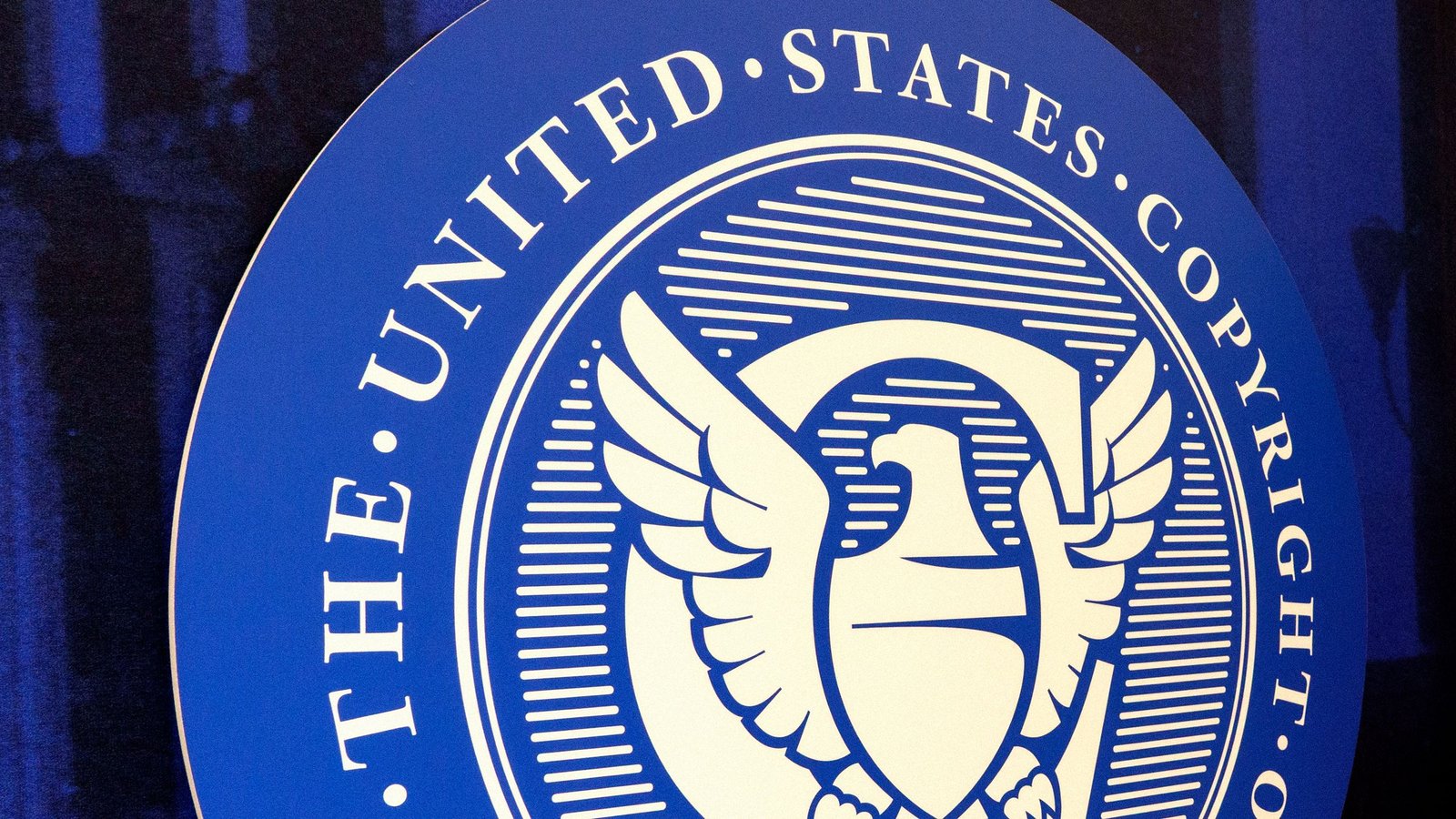
The United States Copyright Office (USCO) has entered an unprecedented period of administrative paralysis following the abrupt, contested dismissal of Register Shira Perlmutter, leaving the agency leaderless just as a wave of high-stakes artificial intelligence litigation reaches the federal courts. This leadership vacuum, triggered by a White House personnel move in May, now threatens the legal standing of thousands of copyright registrations and stalls critical regulatory decisions during the most volatile era in the agency’s history.
A Contested Ouster and a Dual-Leadership Crisis
The turmoil began when the White House deputy director of personnel dismissed Perlmutter via email, a move that immediately sparked a legal challenge. Perlmutter is currently suing the administration, asserting that her removal was legally invalid and that she remains the rightful Register of Copyrights. While the government maintains its executive authority to terminate her, the dispute has effectively frozen the agency’s top-level decision-making processes.
This dismissal followed the equally controversial removal of Librarian of Congress Carla Hayden. In her place, the White House appointed Todd Blanche, a former defense attorney for President Trump, as acting Librarian. However, a parallel claim to leadership exists within the Library of Congress (LOC); Robert Newlen, a veteran official and Hayden’s former deputy, informed staff that he had assumed the role of acting Librarian. Perlmutter’s legal team argues that only a validly appointed Librarian of Congress—not the White House directly—possesses the statutory power to appoint or fire the Register.
The “Invisible” Replacements and Congressional Friction
The confusion intensified when Justice Department official Paul Perkins and colleague Brian Nieves arrived at the Copyright Office claiming to be the new leadership, based on emails from Blanche. Despite these claims, LOC sources indicate that Perkins and Nieves have not returned to the office or assumed any official duties since their initial appearance. A congressional aide familiar with the situation characterized the appointments as unauthorized, stating that the President lacks the power to bypass established LOC protocols.
Senator Alex Padilla has publicly sided with the internal LOC leadership, describing the administration’s actions as an “unconstitutional attempt to seize control.” While bipartisan talks to resolve the standoff are reportedly underway, they remain shielded from public view, leaving the agency in a state of functional limbo.
Legal Vulnerabilities: The Risk of Blank Certificates
The leadership void has immediate practical consequences for creators. To manage the crisis, the USCO briefly paused the issuance of registration certificates, affecting approximately 20,000 applications. Although the office resumed operations on May 29, it is now issuing certificates with a blank space where the Register’s signature typically appears.
While USCO spokesperson Lisa Berardi Marflak maintains that a signature is not a strict legal requirement for validity, legal experts warn of potential fallout. Intellectual property attorney Rachael Dickson notes that the law requires the Register to determine whether material is copyrightable. Without a confirmed Register in place, litigators may find new avenues to challenge the validity of registrations in court, arguing that statutory requirements for oversight were not met.
Stalled Regulatory Duties and the AI Boom
Beyond individual registrations, the absence of a Register halts vital institutional functions. Perlmutter’s lawsuit highlights several derailed processes, including:
- Mechanical Licensing Collective (MLC) Recertification: The USCO must recertify the nonprofit responsible for streaming music royalties. While the MLC can continue operations for now, the formal recertification process is currently stagnant.
- Copyright Claims Board Vacancies: A member of this three-person tribunal is departing this year. The appointment of a successor requires the guidance of the Register, leaving the board’s future composition in doubt.
- AI Policy Guidance: The office recently released a high-profile report on generative AI and fair use, which has already been cited in class-action lawsuits against AI companies like Suno and Udio. However, without a leader to finalize reports or issue new guidance, the industry remains in a state of regulatory uncertainty.
As the legal battle over the agency’s leadership continues, the USCO remains in the paradoxical position of attempting to provide stability to the American intellectual property system while its own internal hierarchy remains fundamentally broken.