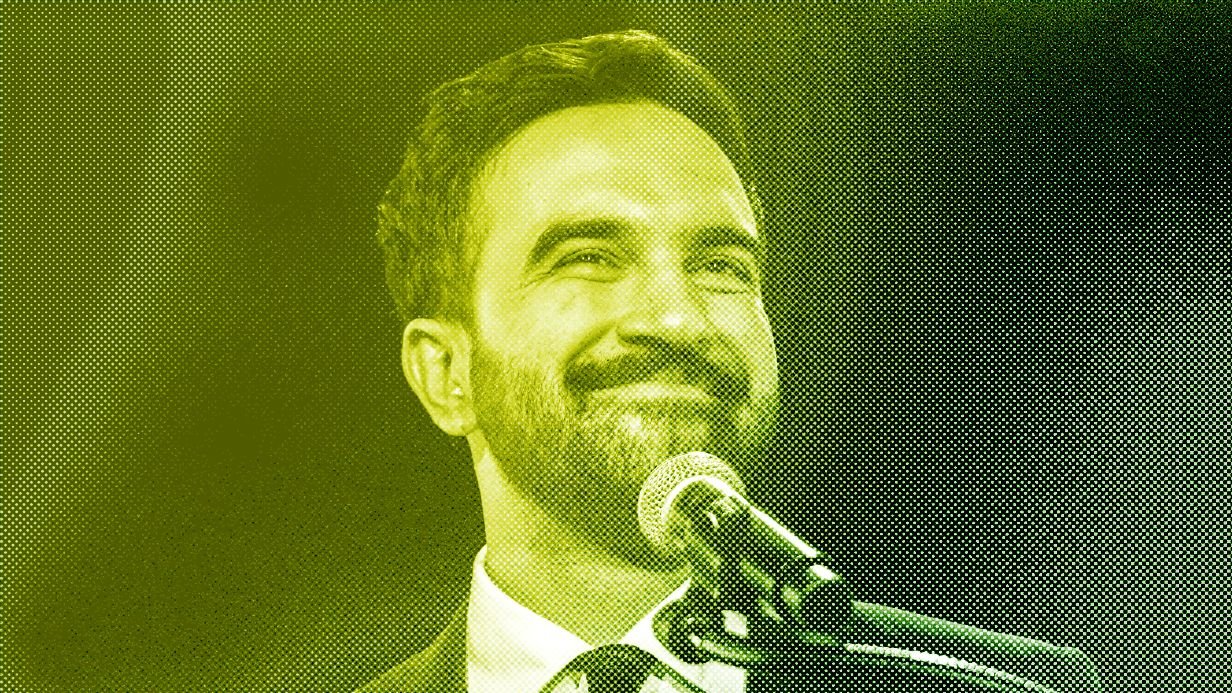

Former NSA Director and U.S. Cyber Command Chief Paul Nakasone issued a stark warning regarding the escalating politicization of global technology, asserting that the ability to remain “neutral” in the digital sphere is rapidly disappearing. During a high-level dialogue with Defcon founder Jeff Moss, Nakasone analyzed the intersection of artificial intelligence, the persistence of ransomware, and the administrative shifts currently reshaping the American cybersecurity landscape.
Political Turbulence Hits Cybersecurity Leadership
The discussion follows a period of significant upheaval within federal intelligence and cybersecurity agencies. The Trump administration has actively targeted officials perceived as misaligned with its core agenda, extending this scrutiny to former leadership. Recent actions include a direct order to revoke the security clearance of former CISA Director Chris Krebs and the rescinding of an academic appointment for Jen Easterly at West Point—a move following public pressure from far-right activists. This environment of internal friction serves as the backdrop for Nakasone’s concerns about the future of national defense.
The AI Arms Race: Stargate vs. DeepSeek
Nakasone, who currently serves on the board of OpenAI, addressed the intensifying competition for AI dominance. He pointed to the “Stargate” AI infrastructure initiative—a massive collaborative effort involving Oracle, SoftBank, and OpenAI—as a pivotal moment in U.S. tech policy. He noted the strategic irony of China’s DeepSeek platform launching just two days after the Stargate announcement, illustrating the breakneck speed and political weight of global technological development.
Bridging the Demographic Divide in Tech and Policy
A recurring theme in Nakasone’s assessment is the profound disconnect between the innovators in tech hubs and the policymakers in the capital. He identifies this demographic chasm as a primary obstacle to national agility.
The DC-Silicon Valley Age Gap
Reflecting on his tenure at the NSA, Nakasone highlighted a systemic issue: while tech leaders in Boston, Texas, and the Bay Area were often decades younger than him, his colleagues in Washington were significantly older. He characterized this disparity as a critical strategic vulnerability, arguing that a nation cannot defend its digital borders effectively when its decision-makers are culturally and generationally removed from the technology they oversee.
Ransomware: A Persistent National Scourge
Despite advancements in certain defensive capabilities, Nakasone expressed blunt frustration over the lack of meaningful progress against cybercrime. He urged a fundamental shift in how the United States approaches digital extortion.
The Failure to Mitigate Ransomware
“We are not making progress against ransomware,” Nakasone stated, categorizing the threat as one of the greatest scourges currently facing the country. He emphasized that traditional strategies are failing to deter adversaries—including Russia, China, Iran, and North Korea—who continue to leverage digital vulnerabilities to extract capital and disrupt American infrastructure.
2025 and Beyond: The Death of the Neutral Actor
As geopolitical conflicts in Ukraine, Israel, and beyond continue to polarize the global community, the concept of a neutral tech environment is becoming untenable. Jeff Moss questioned whether open-source communities or multinational corporations could remain impartial amid such chaos. Nakasone’s outlook for 2025 and 2026 suggests a precarious state of flux where the sense of being “truly neutral” will likely collapse, forcing the tech world into a difficult new era of alignment and conflict.