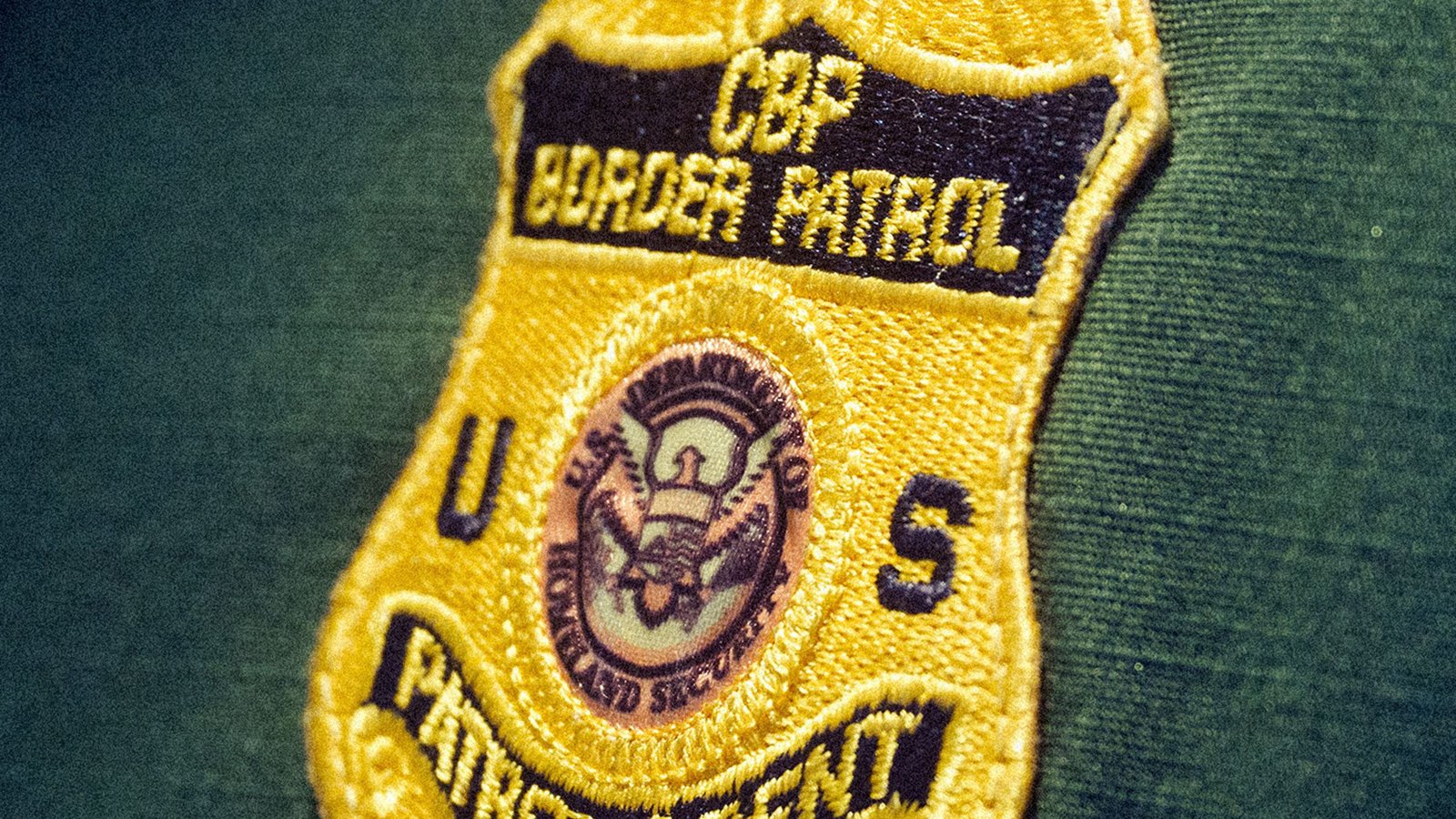
U.S. Customs and Border Protection (CBP) conducted a record-breaking 14,899 electronic device searches between April and June 2025, signaling a sharp escalation in digital surveillance at international ports of entry. This quarterly surge represents a 16.7% increase over the previous high of 12,766 searches recorded in early 2022, according to the agency’s latest transparency data. The spike aligns with the second Trump administration’s aggressive immigration overhaul, characterized by expanded budgets for the Department of Homeland Security (DHS) and a heightened focus on traveler scrutiny.
Aggressive Enforcement and the “Chilling Effect” on Travel
The intensification of device inspections—which include smartphones, laptops, and cameras—coincides with a broader crackdown on migration and border security. Travelers entering the United States report increasingly intrusive encounters, including prolonged detentions and entry denials based on private digital content. These enforcement tactics have already begun to shift international travel patterns; Canadian visitor numbers have declined for seven consecutive months, and several European travelers have reportedly canceled planned trips to the U.S. citing privacy concerns.
Esha Bhandari, deputy director of the ACLU’s Speech, Privacy, and Technology Project, warns that these practices create a “chilling effect” that extends far beyond typical immigration targets. Bhandari emphasizes that CBP currently claims “limitless authority” to bypass warrant requirements, potentially targeting journalists, attorneys with privileged data, or individuals critical of government policy. “They are searching the full scope of information people carry on them without a warrant,” Bhandari noted, highlighting the systemic privacy risks inherent in current border protocols.
A Decade of Expanding Digital Surveillance
While the recent spike is unprecedented, the trajectory of electronic searches has trended upward for a decade. In fiscal year 2015, CBP recorded 8,503 searches. By 2018, that number jumped to 33,296. The 2024 fiscal year saw a total of 46,362 searches, illustrating a long-term institutional shift toward digital data extraction as a standard tool for border security.
Manual vs. Forensic: The Anatomy of a Device Search
CBP categorizes its inspections into “basic” and “advanced” searches. During the most recent quarter, agents performed 13,824 basic searches, which typically involve an officer manually scrolling through a traveler’s photos, messages, and applications. While less technical, these searches allow agents to glean significant personal information in a short timeframe.
In contrast, the agency conducted 1,075 advanced searches during the same period. These involve connecting specialized forensic tools to a device to extract and analyze massive datasets. Although advanced searches remain a smaller percentage of the total, the frequency of these high-tech extractions has remained remarkably consistent over the last 21 months, despite fluctuations in overall traveler volume.
The Legal Gray Zone of the Fourth Amendment
CBP maintains that device searches affect a “small” fraction of travelers—less than 0.01% of the total international volume. However, the legal reality for those selected is stark. Border zones are largely exempt from Fourth Amendment protections against unreasonable searches and seizures, which typically require a warrant based on probable cause. CBP guidelines state that travelers must present their devices in a condition that allows for examination, effectively requiring them to unlock phones or provide passwords upon request.
The legal consequences of refusal differ based on citizenship status. While U.S. citizens and permanent residents (green card holders) cannot technically be denied entry for refusing a search, they face immediate device seizure and intensive secondary questioning. Foreign nationals, however, risk immediate detention or summary deportation if they decline to grant agents access to their electronics.
The Future of Forensic AI at the Border
The scope of these searches is poised to expand as the administration integrates more sophisticated technology into its workflow. CBP is currently procuring advanced digital forensics tools, including technology from Cellebrite, to streamline data extraction. Recent agency filings indicate a specific interest in tools capable of identifying “hidden language” or communication patterns in text messages that might escape human detection. This move toward AI-driven analysis suggests that the depth of future searches will likely increase, even if the total percentage of searched travelers remains low.