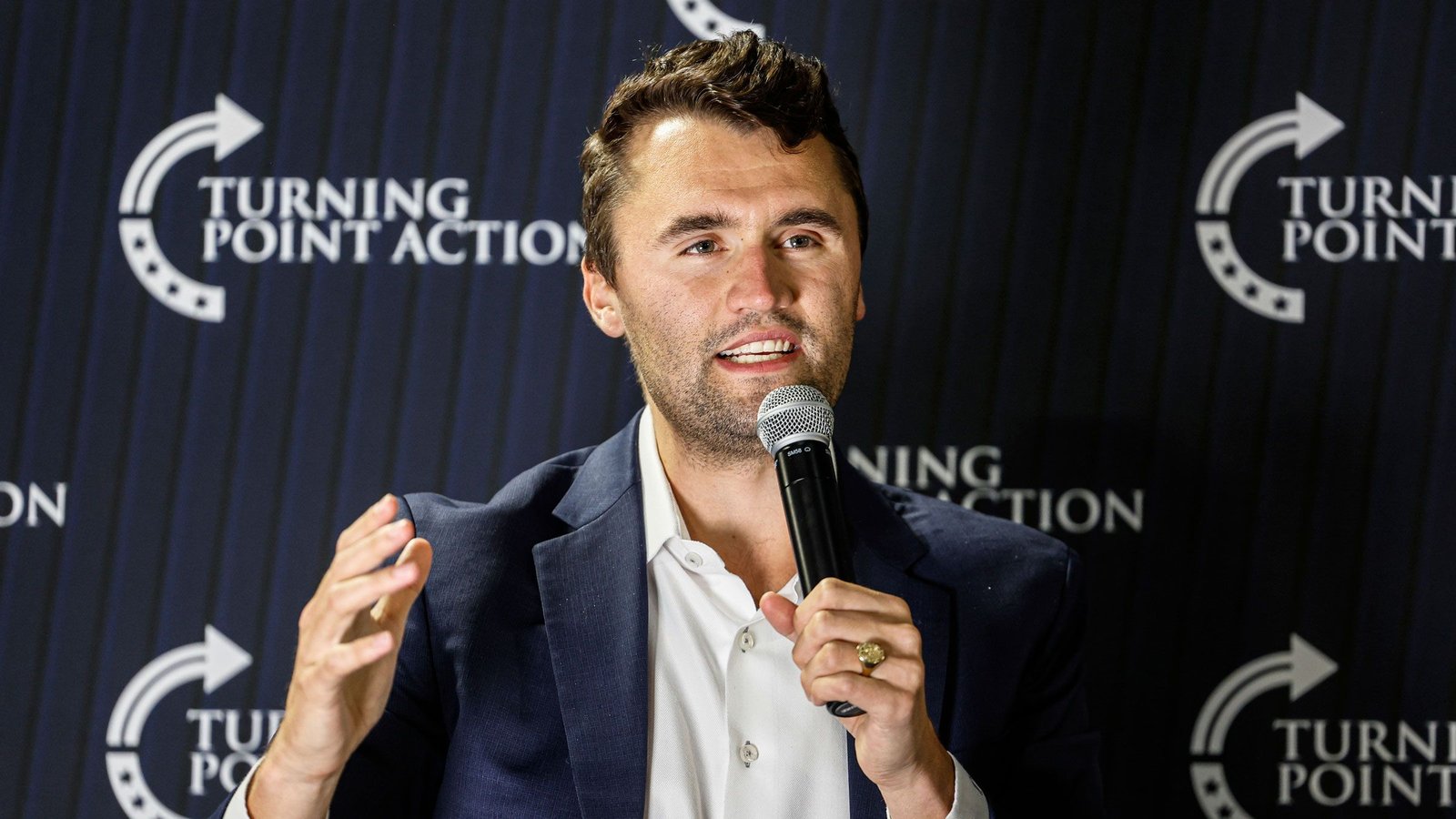
Right-wing activists and high-profile influencers launched a coordinated retaliation campaign this week, utilizing a dedicated website and social media platforms to doxx individuals they accuse of celebrating the fatal shooting of Charlie Kirk. Prominent figures including Chaya Raichik of LibsofTikTok, Laura Loomer, and former Proud Boy leader Enrique Tarrio are spearheading the effort to expose the personal data, employers, and locations of their targets, sparking a wave of death threats and professional terminations.
The Rise of the “Charlie’s Murderers” Database
At the center of this digital offensive lies a website titled “Charlie’s Murderers.” Registered just hours after Kirk’s death on Wednesday, the platform serves as a central hub for aggregating social media usernames, email addresses, and employment details. While the anonymous operators claim the site is a “lawful data aggregator” intended for public education, its real-world impact suggests a more aggressive purpose. The site’s administrators have invited users to submit “incriminating” screenshots, claiming a permanent archive is being built to track those who “glorify political violence.”
Journalists and Civilians Report Violent Threats
Independent journalist Rachel Gilmore, one of the first individuals listed on the site, reported receiving immediate and graphic threats. Despite her post merely questioning if the shooting would radicalize the far right further, Gilmore has been subjected to a barrage of emails and direct messages promising sexual violence and murder. “This website has me genuinely afraid for my safety,” Gilmore stated, noting that the harassment appears designed to incite the very retaliation she warned about.
Quinn Huddleston, another individual featured on the site, faced similar hostility. Huddleston clarified that his comments were taken out of context and made before Kirk’s death was even confirmed. Nevertheless, he has received “countless messages” urging self-harm and claiming to know his physical address, despite the site using outdated personal information.
Professional Fallout and Coordinated Firings
The campaign has already resulted in tangible professional consequences. Laura Loomer openly boasted about her intent to ruin the “future professional aspirations” of those she targeted. In one instance, Loomer recorded herself calling a fitness center to demand the firing of an employee who posted a celebratory comment. While that gym did not provide a public statement, other institutions reacted swiftly to the pressure.
Middle Tennessee State University (MTSU) terminated an assistant dean after Chaya Raichik highlighted her “callous” social media remarks. MTSU President Sidney McPhee issued a statement confirming the firing, asserting that the employee’s comments were “inconsistent with our values” and undermined the university’s reputation. Similarly, a firefighter in New Orleans and a medical professional in Florida have faced intense scrutiny, though some reports have been marred by disinformation, such as targeting a doctor at a hospital she had not been affiliated with since 2018.
The Architecture of Retaliation
Enrique Tarrio, recently pardoned by Donald Trump for his role in the January 6 Capitol riot, has also taken an active role. Tarrio shared the address and phone number of a school in Miami, targeting a staff member with the cryptic instruction “YKWTD” (You Know What To Do). Tarrio claimed to have successfully facilitated five firings by Thursday afternoon, stating that the Proud Boys are focusing their efforts on informing employers about the social media activity of their staff.
A review of the social media accounts targeted by these activists shows that the majority of the victims have since deleted their profiles or switched to private settings to escape the onslaught. Despite the activists’ claims that they are merely archiving public information, the resulting atmosphere of fear and the surge in violent rhetoric highlight a dangerous escalation in digital vigilantism following the high-profile murder.