

As technology advances, many companies are increasingly advocating for laptops equipped with 8GB of RAM. This shift is primarily influenced by a global shortage of semiconductor components, which has created challenges for manufacturers in producing devices with higher specifications. The move toward 8GB laptops is largely seen as a response to the current limitations in the supply chain, allowing companies to meet consumer demands while coping with the ongoing RAM crisis.
The RAM shortage has affected various sectors, leading to delays and increased prices for components. This situation has prompted manufacturers to reassess their product offerings, focusing on configurations that are more feasible to produce in the current climate. By promoting 8GB laptops, companies aim to provide consumers with reliable performance without the extended wait times associated with higher-spec models.
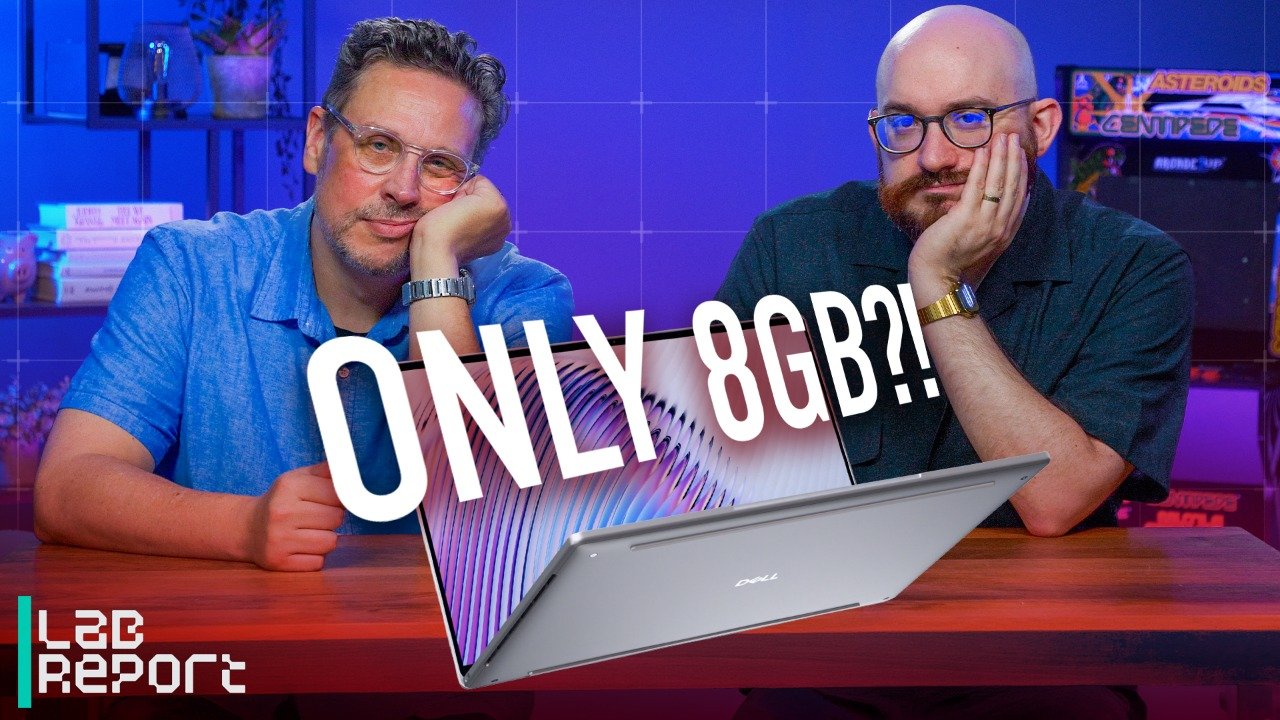
Industry experts suggest that while 8GB of RAM might not be the optimal choice for power users, it is sufficient for many everyday tasks such as web browsing, document editing, and streaming media. This makes 8GB laptops an attractive option for students and professionals who need efficient and cost-effective devices. Additionally, manufacturers are working on improving battery life and overall performance to ensure these laptops meet user expectations.

As the demand for laptops continues to rise, companies are adapting their strategies to balance production capabilities with consumer needs. The emphasis on 8GB RAM laptops reflects a broader trend in the tech industry, where practicality and accessibility are becoming increasingly important amidst supply chain constraints.