
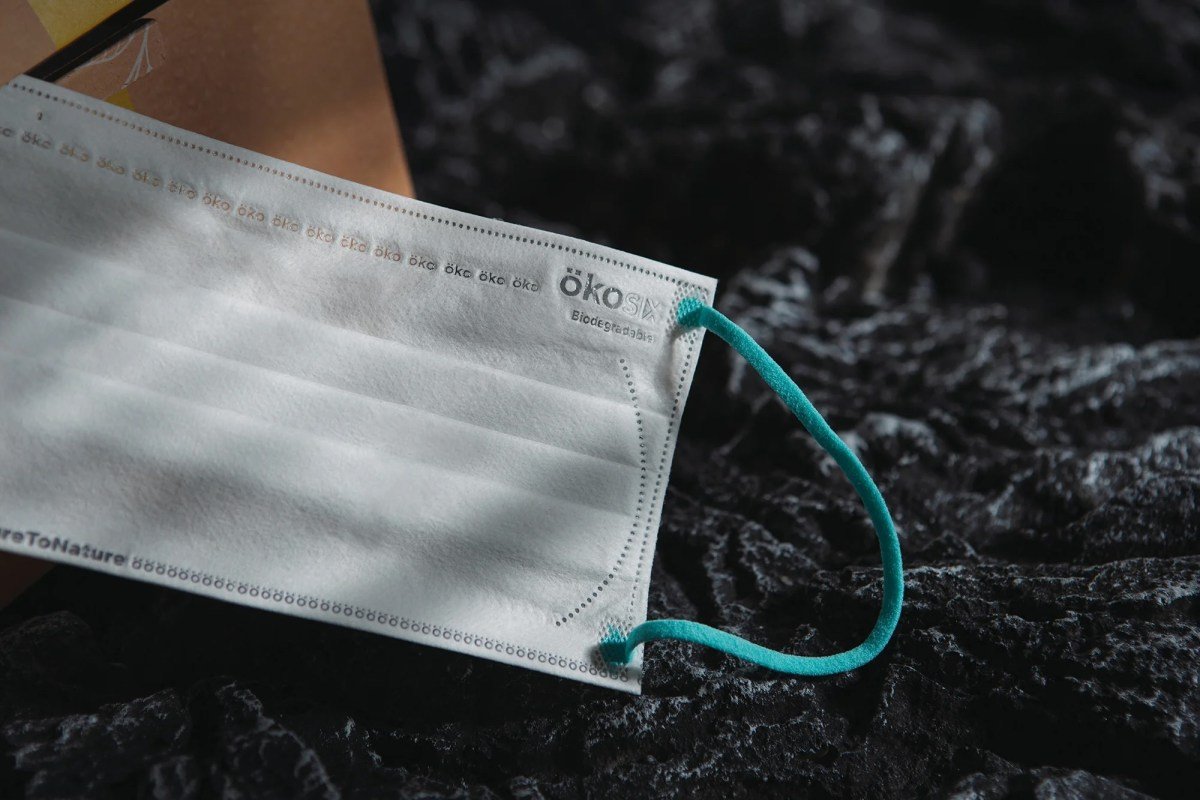
Startup Ökosix is aggressively moving to disrupt the disposable goods market by introducing a biodegradable, non-plastic material designed to replace fossil-fuel-based components in medical and personal care products. Founder Yu confirmed the company is initially targeting face mask production, with immediate strategic plans to expand into surgical gowns, diapers, and sanitary napkins. This initiative addresses the urgent global demand for sustainable alternatives to traditional single-use plastics.
Decarbonizing the Supply Chain
Preliminary assessments suggest that Ökosix’s proprietary material offers a significant environmental advantage over conventional polymers. The company projects a carbon footprint approximately 90% lower than polypropylene, the current industry standard for most single-use disposables. While a formal life cycle analysis remains pending, this projected reduction represents a massive leap toward carbon neutrality in high-waste manufacturing sectors.
The Gore-Tex Strategy for Sustainable Manufacturing
Rather than manufacturing finished consumer goods, Ökosix operates on a B2B ingredient-branding model. “At the moment, our business model is like Gore-Tex,” Yu explained, highlighting that the company focuses on producing the critical raw material layers that other manufacturers integrate into their final products. This strategy involves high-level collaborations with global industry leaders, including 3M, to leverage existing manufacturing infrastructure while scaling their sustainable technology. Yu anticipates that branding will become a cornerstone of the business, establishing Ökosix as a gold standard for eco-friendly materials.
Strategic Funding and Market Expansion
To fuel its research and development, the startup has successfully secured $2.3 million in funding. This capital injection, sourced from the founders and a group of strategic angel investors, supports the company’s trajectory as it prepares to showcase its technology at the TechCrunch Disrupt event in San Francisco. The firm remains focused on replacing fossil plastics with safe, biodegradable alternatives across the global disposable product spectrum.